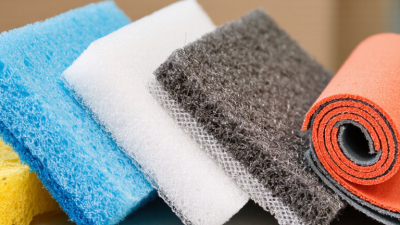
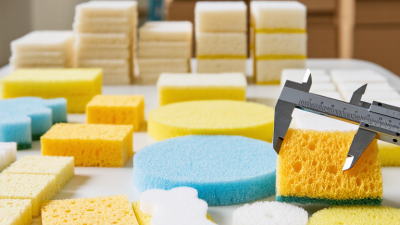
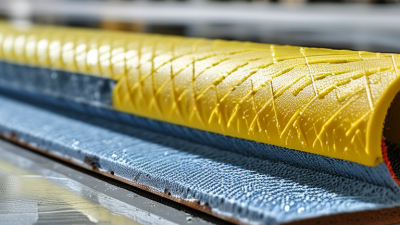
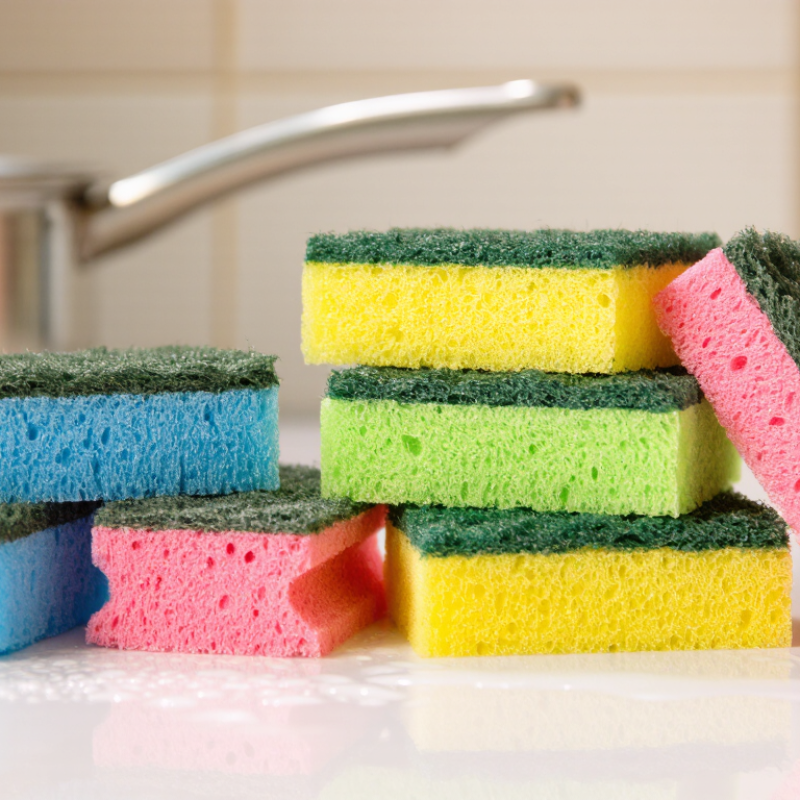
A Sponge Pad may look simple on a sample table: a colored foam block, a rough abrasive layer, and a few neat package options. Yet small differences can change how it performs in a buyer’s market. Density affects firmness. Abrasive grain influences cleaning strength. Adhesive quality can determine whether the layers stay bonded after repeated wet use. The right choice depends on the intended surface, cleaning task, expected lifespan, and target price—not appearance alone.
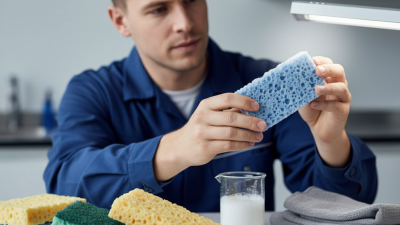
“Buyers should test the pad in the conditions their customers will actually use it.” This practical reminder is attributed here to [Name of a verified Sponge Pad industry expert]; confirm the name and quotation before publication. A useful test could include a kitchen pan, a tiled surface, and several wash-and-dry cycles. Check for shedding, odor, uneven wear, and weakening bonds. Small details matter.
This guide outlines ten buying tips for global buyers, from material specifications and sample testing to packaging, supplier communication, and quality checks. Ask for clear product data, consistent samples, and written confirmation of key requirements. Then compare suppliers against the same criteria. A polished sample is not enough. Real-world results can differ, and even a careful checklist cannot predict every customer’s habits. That limitation deserves attention, too.
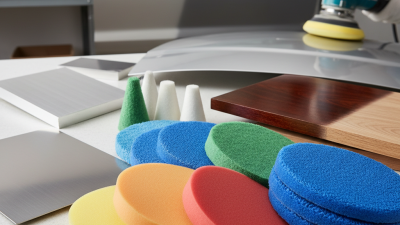
Before comparing sponge pads, define their actual job. A pad used to absorb spills needs different properties from one used to cushion a component or polish a surface. Describe the contact surface, operating environment, and expected service life. Will it touch painted metal, glass, or a rough edge? Will it work wet or dry? Small details matter.
Turn those conditions into measurable requirements. Specify dimensions and tolerances, thickness, density, pore structure, and acceptable compression under load. For absorbent use, note the liquid type and how quickly the pad should take it up. For cushioning, estimate the weight and repeated pressure it must withstand. Include temperature and cleaning-agent exposure where relevant. Be specific.
A sample test can expose gaps in a written specification. Place the pad on the real surface, apply the expected load, and check for marks, shedding, slow recovery, or uneven contact. Record what happens after repeated use, not just the first trial. I have seen buyers focus on softness and overlook edge wear. That detail can matter. Requirements may also change once operators handle the pad, so leave room to review the first results before ordering at scale.
Sponge-pad performance depends on more than color or thickness. Cellulose holds water well and softens after soaking. Polyurethane foam often springs back faster, but its open cells can trap residue. Abrasive layers vary too: a coarse mineral coating may lift baked-on food, yet scratch delicate finishes. Test the pad on a hidden spot. Small details matter.
Grand View Research estimated the global household cleaning products market at USD 247.75 billion in 2023, with projected growth through 2030. That broad market figure is not sponge-pad sales, but it signals why buyers should specify performance clearly. For foam components, ASTM D3574 provides test methods covering properties such as density and compression. It does not set one ideal density for every cleaning task. Ask suppliers for measured density, recovery data, and abrasive-layer specifications—not just “heavy duty.” Tip: Compare samples wet and dry. Feel the surface.
Construction affects durability. Check whether the abrasive layer is bonded evenly, and inspect edges for peeling after repeated squeezing. A denser pad may last longer, but can feel stiff in the hand. A softer pad may be easier to control, yet wear sooner. I would not assume one design suits every market; cleaning habits and cookware differ, and that is easy to overlook.
Use this qualitative comparison as a starting point when matching sponge-pad materials to cleaning tasks. Abrasiveness varies by product construction, surface texture, and pressure applied; test on an inconspicuous area before use.
Scale: 1 = very low relative abrasiveness; 5 = very high. Ratings are qualitative material comparisons, not standardized laboratory measurements. Nonwoven abrasive pads can vary substantially by abrasive type and grade.
When comparing sponge pads, inspect more than the surface. Check thickness, edge bonding, pore structure, and how evenly the abrasive layer covers the sponge. Press several samples by hand. They should recover at a similar speed, without brittle edges or unusually soft spots. Small details matter.
Safety needs evidence, not broad claims. Ask suppliers for material specifications and current test reports relevant to your intended market and use. Confirm that dyes, adhesives, and cleaning materials are suitable for the product’s stated purpose. A strong chemical smell or loose abrasive grains deserves investigation, though appearance alone cannot prove a safety issue. Keep records of the documents reviewed and the sample tested.
Consistency is harder to judge from one attractive sample. Request samples from multiple production lots, then compare dimensions, weight, color, compression, and scrubbing performance. A simple trial on common surfaces can reveal uneven wear or residue, but document the detergent and pressure used; otherwise, results may mislead. Agree on measurable tolerances before ordering, and ask how production checks are recorded. I have seen buyers focus on price and miss small changes between batches. That is easy to do. Even careful checks have limits, so revisit quality after delivery rather than assuming the first sample tells the whole story.
| No. | Buying tip | What to evaluate | Useful checks or documents | Practical buying guidance |
|---|---|---|---|---|
| 1 | Define the intended use | Specify whether the pad is for dishes, cookware, household surfaces, or another use. Identify surfaces it must not scratch. | Product specification listing intended use, surface restrictions, and care instructions. | Match abrasiveness and material to the cleaning task; do not assume one pad suits every surface. |
| 2 | Confirm materials and construction | Check the declared composition, such as cellulose or polymer foam, abrasive nonwoven layer, adhesive, and any added components. | Bill of materials, material specifications, and change-control process. | Ask suppliers to notify you before changing materials, construction, or production sites. |
| 3 | Set dimensional tolerances | Agree on length, width, thickness, shape, and permitted variation for each product format. | Approved drawing or specification and a defined measurement method. | Use the same sampling and measuring method for pre-shipment and incoming inspections. |
| 4 | Compare cleaning and abrasion performance | Assess cleaning effectiveness and scratching risk on relevant surfaces under repeatable conditions. | A documented comparison using agreed soil, surface, water, and rubbing conditions. | Approve samples against the intended application; avoid unsupported “non-scratch” claims. |
| 5 | Check durability and layer bonding | Look for tearing, crumbling, delamination, or rapid loss of shape during wet use and repeated cleaning. | Buyer-agreed wet-use and repeated-use tests, with recorded sample condition before and after. | Set pass/fail criteria based on the product’s expected use rather than an unverified universal threshold. |
| 6 | Review chemical compliance for the market | Identify applicable chemical restrictions and information duties for the destination market and product materials. | Relevant declarations or test reports; for EU sales, assess applicable REACH obligations, including restrictions and SVHC communication duties where relevant. | Confirm scope and test requirements with a qualified compliance professional; obligations depend on the product and market. |
| 7 | Verify food-contact claims carefully | Determine whether the pad is intended or marketed for direct food contact, rather than simply for cleaning dishes or kitchen surfaces. | Material and migration evidence relevant to the intended use and applicable jurisdiction, where food-contact rules apply. | Do not treat general household-cleaning suitability as proof of food-contact compliance. |
| 8 | Assess hygiene and storage risks | Check that goods arrive clean, dry where required, and free from visible contamination, pests, and unwanted odors. | Packaging and storage specifications, production hygiene procedures, and inspection records. | Agree on packaging, storage conditions, and acceptance criteria before production. |
| 9 | Build batch consistency into inspection | Compare batches for dimensions, color, layer alignment, bonding, and performance against the approved reference sample. | Written inspection plan, defect classifications, and batch traceability records. | Define sampling and acceptance limits contractually; ISO 2859-1 may be used as a sampling-plan reference when appropriate. |
| 10 | Check labeling, packaging, and market rules | Review required product information, warnings, language, packaging, and traceability details for each destination market. | Final artwork approval and a market-specific compliance checklist; assess the EU General Product Safety Regulation where applicable. | Check current local requirements before shipment; requirements can vary by product, claim, and sales market. |
A reliable sponge-pad supplier should explain material grades, density, abrasive layers, and intended uses in plain terms. Ask for a sample with the same thickness and bonding method planned for production. Check whether the pad sheds particles, keeps its shape when wet, and fits comfortably in the hand. Small details matter. Request current quality records and clarify how defects are handled. A polished sample is useful, but it does not prove every production batch will match.
Discuss customization with measurable details: pad dimensions, color, pore structure, scrubbing strength, packaging, and carton quantities. Share a written specification, then compare it against the supplier’s sample before approving a larger order. Confirm whether custom tooling or packaging changes add time or cost. Ask how many shifts, production lines, and inspection stages support your order, and request a realistic monthly capacity figure. Check lead times for both normal orders and peak seasons. Capacity claims can be optimistic; request recent output or delivery records where available. I would still leave room for a little uncertainty, because forecasts and actual orders rarely align perfectly.
A low unit price can hide costly differences. Compare quotes using the same pad dimensions, thickness, density, and carton quantity. Ask whether prices include custom cutting, printed packaging, or tooling fees. Request a written breakdown, not just a total. Small details matter. Check how long the quote remains valid, since material costs and freight rates can change.
Order samples before approving a large shipment. Test them with the intended detergent and on representative surfaces. Note whether the pad sheds fibers, scratches, or loses shape after repeated rinsing. Ask the supplier to confirm that sample materials match the production specification. A sample may look perfect when dry, yet soften quickly in use. That is easy to miss.
Packaging affects both product condition and freight cost. Confirm the number of pads per inner bag and carton, then review carton dimensions and gross weight. Request photos of packed cartons and clear shipping marks. For international shipping, compare delivery terms, transit estimates, insurance options, and who handles export and import documents. Verify destination requirements with your customs broker. A cheaper route may involve longer handling or less predictable delivery, so build time for delays into your purchasing plan.