2026 Top Grinding Disc Types You Should Know About?
In the world of manufacturing and construction, the significance of the right Grinding Disc cannot be overstated. Expert Steve Anderson, a well-respected figure in the grinding industry, once stated, "Choosing the right Grinding Disc can make or break your project." This highlights the crucial role Grinding Discs play in achieving efficiency and precision.
As we approach 2026, the variety of Grinding Disc types available continues to grow. Each type serves different materials and applications. For instance, some discs are designed for metal, while others are perfect for concrete. The options can be overwhelming, and that is where expertise is needed. Selecting the wrong type can lead to poor results and wasted resources.
Moreover, many workers still underestimate the impact of using an unsuitable Grinding Disc. This oversight can result in slower work and increased costs. Awareness of the different types can empower professionals to choose wisely. In this article, we will explore the top Grinding Disc types you must know about as we step into 2026, considering both the benefits and potential pitfalls.

Types of Grinding Discs and Their Applications in 2026
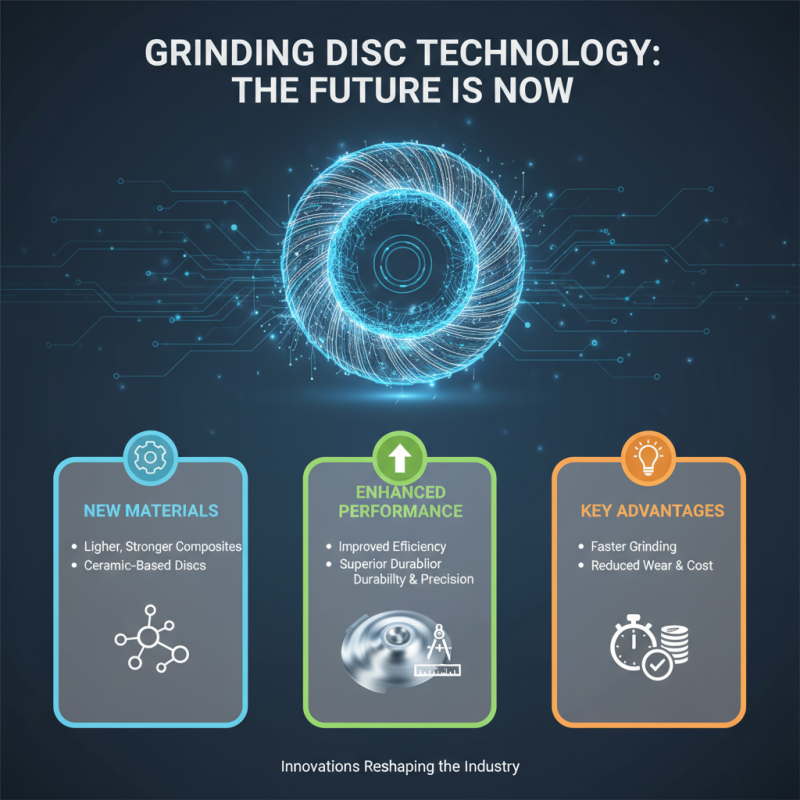
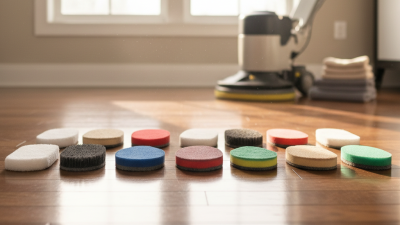
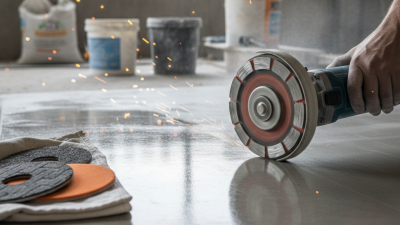
In 2026, understanding the types of grinding discs is essential for various applications. Grinding discs come in several forms, each designed for specific tasks. For example, there are diamond grinding discs, ideal for cutting hard materials like concrete. Their durability makes them suitable for heavy-duty projects. However, they can be expensive and may not be necessary for light jobs.
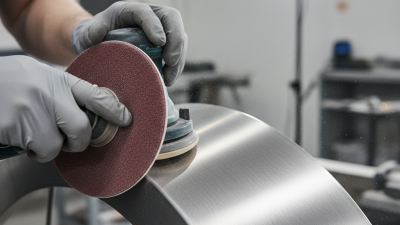
Another type is the resin-bonded grinding disc. These discs are versatile and often used for metal surfaces. They provide a smoother finish than others. Still, they may wear down quickly under intense use, which could lead to frequent replacements.
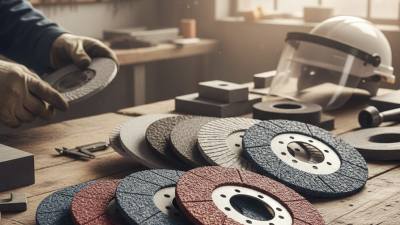
Flap discs are also popular, offering a blend of grinding and finishing. They can shape materials while providing a polished look. However, they might not deliver the same precision as specialized discs, which can be a concern for detailed work. Each type of grinding disc has its strengths and weaknesses, and choosing the right one can be a daunting task. Consider your project needs carefully before selecting.
Comparative Analysis of Grinding Disc Materials and Durability
The choice of grinding disc materials significantly impacts performance and longevity. Abrasive discs are typically made from aluminum oxide, zirconia, or diamond. Each type has unique strengths and weaknesses. For instance, aluminum oxide discs perform well on metal surfaces but may wear out quickly on harder materials. Reports indicate they lose cutting efficiency after around 40-50 minutes of use.
Zirconia discs are known for their durability in tougher applications. They retain their cutting ability for longer, with some studies showing they last up to 200% longer than aluminum oxide in specific scenarios. However, their cost is higher, making them a less accessible option for casual users.
Diamond discs provide exceptional longevity and can tackle various materials. Yet, they are not without limitations. They can be overkill for simple tasks and might not be the best choice for softer materials. Reports also highlight that their performance can degrade if overheated during use. Users must balance durability and value while considering the specific material requirements of their projects.
Choosing the Right Grinding Disc for Different Materials
When choosing the right grinding disc, consider the material you are working with. Different materials require different types of discs. For example, when grinding metal, a harder disc is essential. It cuts effectively and stays sharp longer. On the other hand, for softer materials like wood, a milder disc is more appropriate. This prevents damage to the workpiece.
Tips: Always check the disc's specifications. Look for recommendations on maximum speed and materials. Not all discs are universal. Matching the disc to the material makes a huge difference in the finish quality.
Beyond material, consider the type of project. Are you working on large surfaces or intricate details? For large areas, bulkier discs can save time. However, for detailed work, precision discs are better. They allow for greater control.
Tips: Start with a test piece. This helps gauge the right disc before committing to the main project. Sometimes, it’s worth trying different types to find the best fit.
Safety Precautions When Using Grinding Discs in Various Settings
When using grinding discs, safety should always be the top priority. According to the National Institute for Occupational Safety and Health, nearly 1,000 injuries occur each year due to improper use of grinding equipment. The most common injuries involve eye damage, cuts, and burns. Workers must wear appropriate personal protective equipment (PPE) to minimize these risks.
Always inspect grinding discs before use. Check for cracks or visible damage. A compromised disc can shatter during operation, causing serious injury. It is vital to also maintain a clean work environment. Clutter and debris can lead to accidents. Remember to secure the workpiece properly during grinding to ensure stability.
**Tip:** Always use a face shield along with safety glasses. This precaution provides extra protection for your face and eyes.
Training is crucial. Many accidents result from improper handling. Ensure all users understand how to operate grinding tools correctly. Regular refresher courses help maintain safety awareness.
**Tip:** Conduct routine safety audits of the workplace. Identifying hazards can drastically reduce risks associated with grinding operations.