2026 Best Floor Polishing Pads for Perfect Shine and Durability?
In the quest for the perfect shine, choosing the right floor polishing pads is crucial. A recent industry report from the International Floor Care Association highlights that improper pad selection can lead to poor results and increased labor costs. This underscores the importance of understanding the various types of floor polishing pads available.
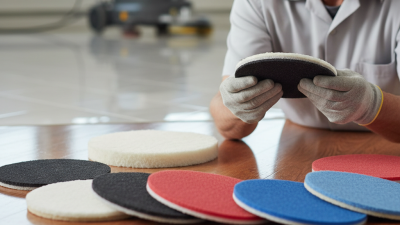
Floor polishing pads come in different materials and grits, each designed for specific surfaces. For example, diamond pads offer exceptional durability for concrete surfaces, while wool pads are preferred for softer flooring materials. Selecting the appropriate pad can enhance not only the shine but also the longevity of the floor. However, many users still struggle to identify the right options, leading to less than ideal results.
Investing in high-quality floor polishing pads can significantly affect the overall floor maintenance process. Data shows that using premium pads can reduce wear on equipment and flooring, ultimately saving costs. Yet, the challenge remains for many to balance quality and affordability. Reflection on these choices is essential for achieving that perfect shine.
Understanding the Importance of Floor Polishing Pads for Shine
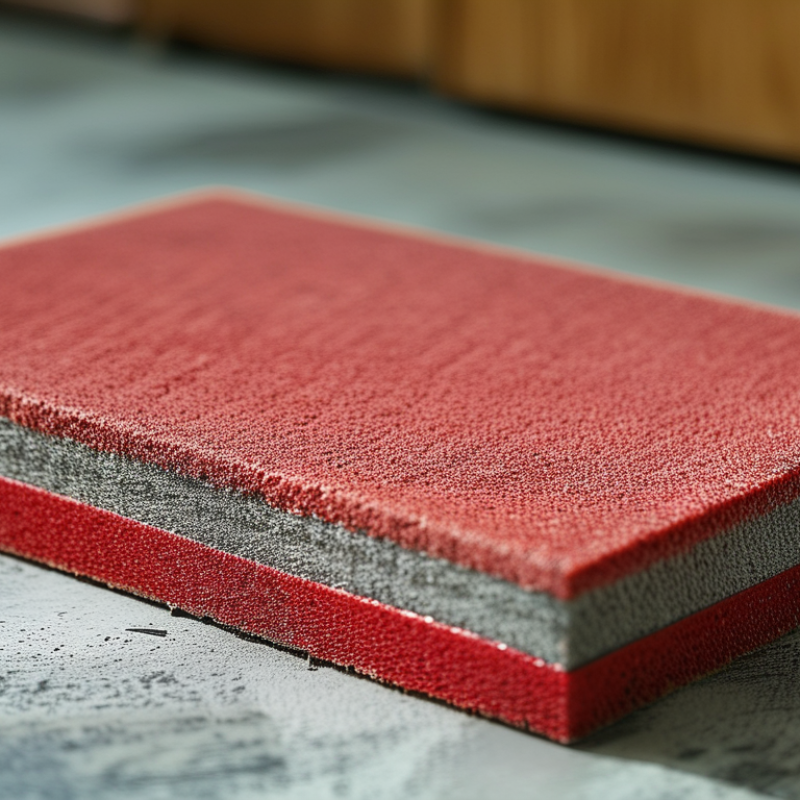
Floor polishing pads play a crucial role in maintaining and enhancing the shine of various surfaces. The right pads can make a significant difference in the appearance and longevity of your floors. They are designed to remove imperfections and create a smooth, glossy finish. When selecting pads, consider the material and grit level. Different surfaces may require different types. For example, softer pads work better on delicate floors, while tougher pads are ideal for more durable surfaces.
Using polishing pads properly is essential for achieving the best results. Insufficient polishing can lead to a lackluster appearance. Over-polishing, on the other hand, can damage the surface. Finding the balance is pivotal. It often takes practice and experience to master this skill. Regular maintenance with the right pads can prolong the life of your flooring. However, using low-quality pads might result in scratches or fading.
Investing in high-quality floor polishing pads is not just about shine. It reflects commitment to cleanliness and care. Floors are a significant investment, and their upkeep should not be taken lightly. As you navigate your choices, remember to reflect on past experiences. What worked? What didn't? Learning from these moments will guide you toward achieving that perfect shine.
Types of Floor Polishing Pads: Materials and Their Benefits
When selecting floor polishing pads, understanding the materials used is crucial. Common materials include nylon, polyester, and diamond. Each offers unique durability and finish characteristics. Nylon pads are excellent for everyday cleaning, providing decent shine without scratching surfaces. Reports from the National Institute of Floor Care indicate that nylon can reduce downtime in cleaning operations.
Diamond polishing pads are a popular choice for dense surfaces. They deliver an exceptional gloss and durability. A study published in the Journal of Surface Engineering found that diamond pads can last up to five times longer than traditional options. However, their enhanced performance often comes with a higher cost.
Polyester pads offer a middle ground. They are often preferred for their versatility and balance between cost and performance. However, they might not achieve the same level of shine as diamond or nylon. Users often report that, while they work well on various surfaces, a deep clean might still require switching to a more robust material. Each material comes with trade-offs related to performance, cost, and maintenance.
2026 Best Floor Polishing Pads - Types and Benefits
This chart displays the different types of floor polishing pads along with their respective benefits and durability ratings, highlighting the materials commonly used in each type.
Selecting the Right Pad for Different Flooring Types
Choosing the right floor polishing pad can significantly impact your flooring's overall look and longevity. Different flooring types require specific pads for optimal results. For hardwood floors, a softer pad is recommended.
It protects the surface and enhances the natural luster. Polishing too aggressively can lead to scratch marks, reducing their elegance.
In contrast, tile floors benefit from pads with more grit. These pads effectively remove grime and stains embedded in grout lines. However, over-polishing can dull the tile finish, so moderation is key.
For vinyl or laminate surfaces, a gentle pad will do the trick. Using the wrong pad can create unsightly damage that requires extensive repairs.
When experimenting with various pads, pay attention to your floor's unique characteristics. A pad that works well for one surface may not be suitable for another. Observing the results can help refine your choice for the best finish.
Remember, finding the perfect pad is a journey of trial and improvement.
Tips for Proper Care and Maintenance of Polishing Pads
Proper care and maintenance of polishing pads can significantly extend their lifespan and enhance performance. Research suggests that a well-maintained pad can improve floor shine by up to 40%. This statistic emphasizes the importance of regular upkeep. Cleaning polishing pads after each use helps remove dirt and debris. This simple step prevents scratches and surface damage during the next polishing session.
One effective tip is to soak used pads in a solution of warm water and mild detergent. This helps to break down embedded dirt. After soaking, rinse thoroughly and air dry flat. Avoid direct sunlight, as it can degrade the pad material. Regular inspection is crucial. Pads that show signs of wear or damage should be replaced to maintain optimal performance.
Storing polishing pads properly is another key aspect. They should be kept in a dry place, away from heavy machinery. Over time, improper storage may lead to a reduced lifespan. Monitor the condition of pads before and after each use. This will ensure that you get the best shine without compromising durability. A bit of routine care can yield a significant difference in results.
Top Brands and Products for Floor Polishing in 2026
In 2026, choosing the best floor polishing pads has become essential for maintaining floor surfaces. Many brands offer distinct advantages. However, understanding the unique characteristics of each pad is crucial. Professionals recommend evaluating the material and grit level of polishing pads. Different floors require different approaches. Hard surfaces may benefit from finer pads, while softer woods might need something more abrasive.
Durability is key when it comes to polishing pads. Pay attention to the manufacturing process. Some pads may wear out quickly, leading to frequent replacements. Consider usage frequency and intensity as factors. Users often express frustration with pads that underperform. It's important to match the pad type with the floor type. A miscalculation can lead to scratches or ineffective polishing.
Some people rely heavily on reviews but forget to test pads themselves. Relying solely on others can lead to disappointment. Observations from experienced users often highlight unexpected wear patterns. When investing in floor care, making an informed choice takes time. Reflecting on past experiences can guide better decisions in the future. Each polished floor tells a story of trials and improvements. Choose wisely for a perfect shine.