10 Best Metal Abrasives for Superior Grinding and Finishing Tips?
Choosing the right metal abrasives is crucial for achieving superior grinding and finishing results. These products significantly influence the efficiency of your work. With the right abrasive, you can enhance surface quality and improve productivity.
Metal abrasives come in various types, each designed for specific applications. Some are ideal for heavy-duty tasks, while others excel in fine finishing. Understanding these differences is key to selecting the best option for your needs. Many users overlook the importance of matching abrasives with their projects, leading to unsatisfactory results. It’s essential to assess both performance and durability.
Investing in high-quality metal abrasives pays off in the long run. Though it may seem tempting to opt for cheaper options, the outcomes often reflect poor quality. Remember, a well-chosen abrasive can save you time and prevent waste. Navigating the world of metal abrasives can be tricky. There’s no one-size-fits-all solution, and finding what works best may require some trial and error.
Understanding Metal Abrasives: Types and Applications
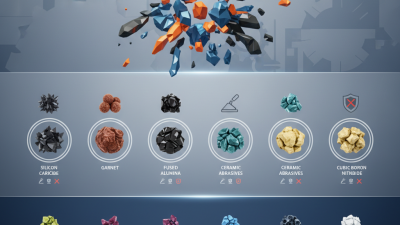
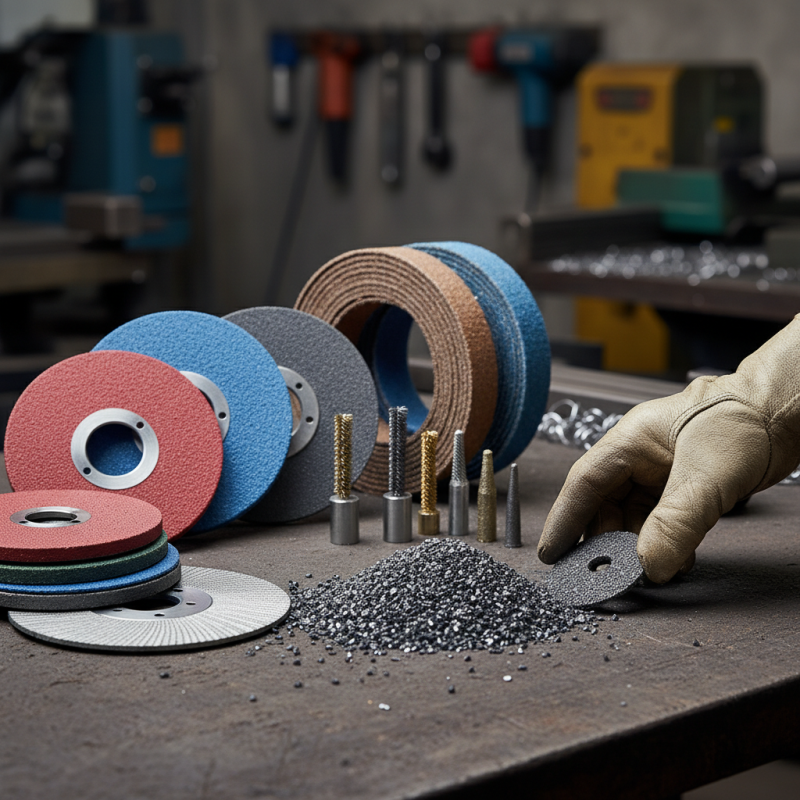
Understanding metal abrasives is crucial for achieving optimal grinding and finishing results. Abrasives are essential in shaping, polishing, and refining metal surfaces. They come in various types, including aluminum oxide, silicon carbide, and ceramic. Each type serves different applications, catering to distinct needs in metalworking.
A recent industry report indicates that aluminum oxide makes up approximately 70% of the abrasive market due to its versatility and durability. It is widely used for general grinding tasks. Silicon carbide, being sharper and more brittle, is often preferred for hard materials like ceramics. It’s effective in applications requiring precision, though it can wear down quickly.
Using the right abrasive impacts efficiency and quality. Some operators find that switching abrasives can lead to unexpected challenges. For instance, while changing from traditional abrasives to high-performance options may improve finish, it can also require adjustments in technique. Many professionals report learning curves with new products, which can be discouraging at times. This highlights the importance of adequate training and understanding of materials used in production processes.
Top 10 Metal Abrasives for Effective Grinding Techniques
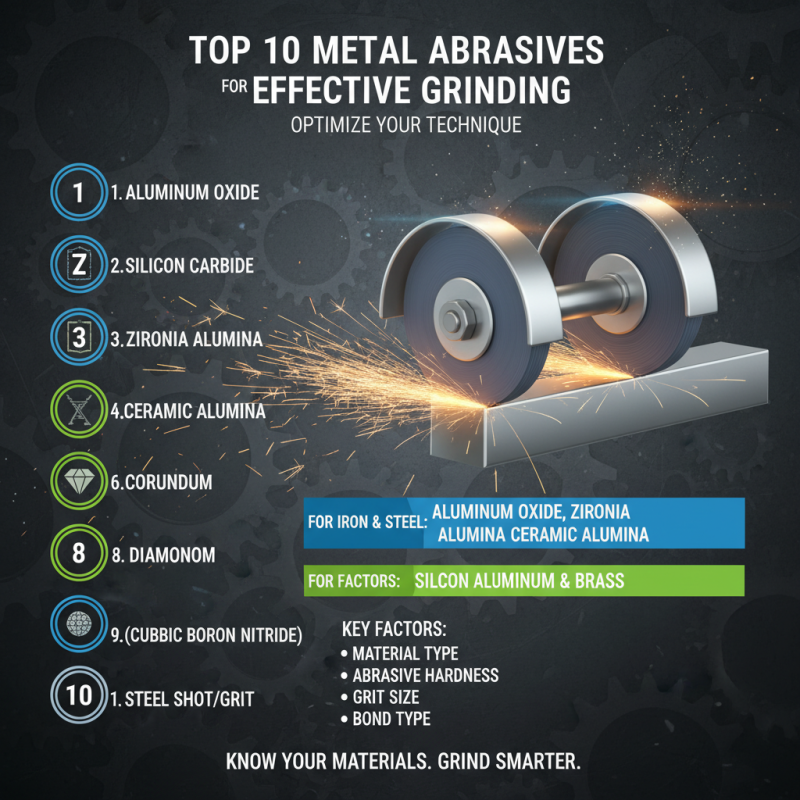
When it comes to metal abrasives for effective grinding, selection plays a crucial role. Different materials require distinct abrasives to achieve optimal results. For example, aluminum oxide is commonly used for iron and steel due to its durability. In contrast, silicon carbide works well on softer materials like aluminum and brass. Understanding the material type will improve grinding efficiency significantly.
Moreover, the technique of application matters. Adopting the correct angle and pressure can enhance grinding effectiveness. A slight tilt can help remove more material in less time. However, it’s easy to overdo it, leading to surface damage or uneven finishes. A careful, balanced approach is essential. Experimentation with pressure settings will provide insights into the right touch needed for various tasks.
Choosing the right abrasive also means being aware of wear and tear. Most abrasives degrade over time, impacting performance. Regular inspection of tools can prevent inconsistencies in finishing. While it’s tempting to overlook maintenance, doing so can lead to costly errors. Reflecting on the grinding process and the condition of your abrasives is vital for continuous improvement. By paying attention to these details, the quality of work can be greatly enhanced.
Best Practices for Finishing with Metal Abrasives
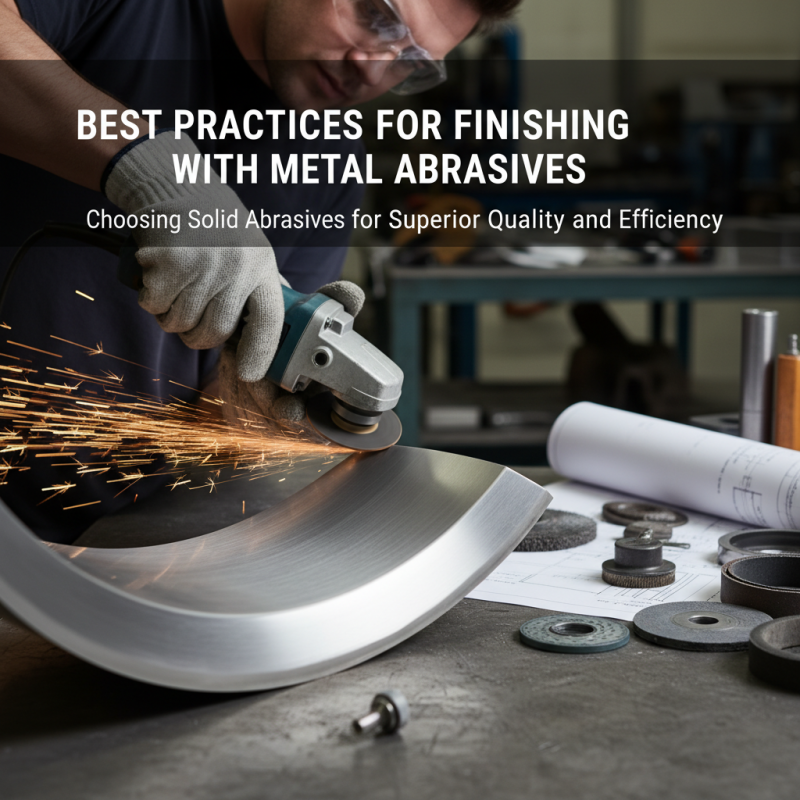
When it comes to finishing metals, using the right abrasives is crucial. The performance of these abrasives can significantly impact the final quality of the workpiece. For example, studies indicate that improper abrasive selection can lead to surface imperfections. These defects may require additional machining, ultimately increasing costs and time. So, choosing solid abrasives is paramount.
Effective techniques involve understanding the material. Different metals respond uniquely to abrasives. Stainless steel, for instance, often requires a finer-grade abrasive to avoid scratching. Research shows that a consistent grit size leads to a more uniform finish. It's essential to assess the metal and the desired finish before starting. A recent industry report highlighted that 36% of finishing errors stemmed from using incompatible abrasives.
Moreover, maintaining the right speed and pressure during the grinding process also matters. Too much pressure can cause overheating and dimensional changes. Conversely, insufficient pressure may not yield effective grinding. Users should find a balance for optimal results. Learning and adapting your techniques is an ongoing process in metal finishing. Fine-tuning your approach will not only improve quality but also enhance efficiency.
Choosing the Right Metal Abrasive for Your Project Needs
Choosing the right metal abrasive is crucial for achieving optimal results in grinding and finishing. Industry reports indicate that incorrect abrasive choices can lead to inefficiencies, increased costs, and subpar surface finishes. It's essential to match the abrasive type to the material being worked on. For instance, hard metals require non-ferrous abrasives, while softer materials may benefit from a different approach.
Understanding the specifics of each project can be challenging. Factors like hardness, ductility, and texture of the metal play significant roles. According to a study published by the American Society for Metals, approximately 40% of engineers report dissatisfaction with their abrasive choices. This dissatisfaction often stems from a lack of knowledge about the various types of abrasives available.
Selecting the right abrasive also depends on environmental considerations. Some abrasives produce more dust or heat, affecting health and safety. Metalworking professionals need to prioritize these factors. A hands-on approach and continued education about available options are vital. Ultimately, the right abrasive choice can dramatically affect productivity and the quality of the final product.
10 Best Metal Abrasives for Superior Grinding and Finishing Tips
| Abrasive Type |
Application |
Material Compatibility |
Grit Size |
Durability |
| Aluminum Oxide |
General Grinding |
Steel, Aluminum |
80-120 |
High |
| Silicon Carbide |
Finishing Touches |
Glass, Plastic, Metals |
240-600 |
Medium |
| Zirconia Alumina |
Heavy Metal Removal |
Stainless Steel |
36-60 |
Very High |
| Ceramic Alumina |
Precision Grinding |
Alloy Steel |
80-120 |
Extremely High |
| Garnet |
Blasting and Finishing |
Wood, Metal |
100-200 |
Medium |
| Glass Beads |
Surface Preparation |
Steel, Aluminum |
70-100 |
Low |
| Aluminum Silicate |
Grinding and Polishing |
Ferrous Metals |
60-120 |
Medium |
| Diamond |
Precision Cutting |
Hard Metals |
Varied |
Ultra High |
| Cubic Boron Nitride (CBN) |
Grinding Hardened Steels |
Hardened Steel |
Varied |
Ultra High |
| Flap Discs |
Versatile Finishing |
All Metals |
80-120 |
High |
Tips for Enhancing Efficiency in Metal Grinding and Finishing
In metal grinding and finishing, efficiency is vital. Choosing the right abrasives significantly impacts your workflow. Select a product that aligns with your project's specific requirements. Aiming for compatibility can save time and enhance output quality. Consider factors like grit size, coating, and material type when making your choice.
Proper technique is crucial. Maintain consistent pressure to avoid uneven wear on abrasives. This practice requires attention and can lead to mistakes if overlooked. Monitoring speed settings on equipment can prevent overheating and extend the lifespan of your tools. Regular maintenance of grinding machines fosters better performance.
Time management is often underestimated. Scheduling breaks can prevent fatigue, which affects precision. Evaluate your setup regularly. Identify areas for improvement, like adjusting workspace organization. Reflect on past projects to note successful strategies and areas needing refinement. Fine-tuning these elements can lead to more efficient processes over time.