Top Dry Diamond Polishing Pad Buying Guide for Global Buyers?
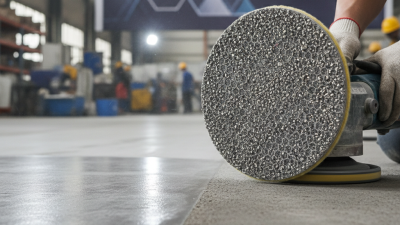
When it comes to achieving a high-quality finish on various surfaces, the Dry Diamond Polishing Pad stands out as a vital tool. These pads offer unmatched precision and efficiency, making them indispensable for professional stone fabricators and DIY enthusiasts alike. With advancements in technology, choosing the right pad has become more complex. Many options flood the market, each claiming superiority.
Understanding the specific needs of your project is crucial. The right Dry Diamond Polishing Pad can enhance durability and produce flawless results. However, selecting the wrong one may lead to uneven surfaces and wasted time. Users must consider factors such as grit size, material compatibility, and application methods.
Research and expert insights can help buyers make informed decisions. While this guide offers valuable information, personal experience plays a significant role. Reflection on past choices can guide future purchases. Each project is unique, and finding the perfect Dry Diamond Polishing Pad requires careful consideration.
Understanding the Importance of Choosing the Right Dry Diamond Polishing Pads
Choosing the right dry diamond polishing pads is crucial for achieving optimal results. An improper choice can lead to subpar finishes or excessive wear. A study by the International Journal of Advanced Manufacturing Technology indicates that using well-suited materials can increase finishing efficiency by up to 30%. This highlights the importance of selecting pads that match specific project requirements.
Furthermore, attention to grit size is essential. Fine grits produce higher gloss levels but may require longer processing times. Conversely, coarser grits can enable quicker material removal, although they may yield rougher finishes. Industry reports show that nearly 45% of users face challenges in balancing grit selection with desired outcomes. This imbalance can often result in unnecessary rework, wasting both time and resources.
The material composition of the pads must also be considered. Options range from resin to metal bonds, each offering distinct advantages. Data shows that diamond pads can last significantly longer than traditional options, with some outperforming by 50% or more in durability. Despite this, many users overlook maintenance needs, which can lead to premature failure. This aspect of care often highlights the inconsistencies in user experiences. Adjusting to a proper care routine can greatly enhance the pads' lifespan and performance.
Key Factors to Consider When Buying Dry Diamond Polishing Pads
When selecting dry diamond polishing pads, several key factors come into play. Understanding the material compatibility with the surface you're polishing is crucial. For instance, different types of concrete may require different pad hardness levels. Hoisting this consideration can significantly affect the finish quality. Ensure you choose pads designed for your specific application.
Another important factor is the grit level of the pad. The grit dictates how aggressively the pad will work. For initial grinding, a lower grit pad is appropriate. As you refine your work, transitioning to finer grits provides a polished look. Keep in mind that not all pads are created equal—their performance can vary based on the manufacturer and materials.
Choosing the right diamond concentration can also influence your outcome. Too much or too little concentration may lead to subpar results. Balancing these specifics can take time and experience. Some users might wish for a more straightforward solution, yet trial and error often leads to the best choices.
Taking notes during your projects can help identify what worked and what didn't. Embracing imperfections in your process allows for growth and better decision-making in the future. As you refine your technique, you may discover personal preferences for certain pads. Listening to those insights enhances your future polishing endeavors.
Top Dry Diamond Polishing Pad Buying Guide for Global Buyers
| Key Factors |
Description |
Recommended Size |
Applications |
| Material Quality |
High-quality diamonds ensure durability and effective polishing. |
4" - 7" |
Granite, Marble, Concrete |
| Grit Size |
Different grit sizes available for various finishing needs. |
50-3000 |
Aggressive grinding to fine polishing |
| Backing Type |
Choose between velcro backing for easy pad changes or hard backing for durability. |
Varies by application |
Floor polishing and restoration |
| Pad Hardness |
Choose based on the material being polished for optimal performance. |
Soft, Medium, Hard |
Mixed materials surfaces |
| Cost-Effectiveness |
Balance between price and performance to ensure value for money. |
Budget vs Premium |
Professional and DIY applications |
Types of Dry Diamond Polishing Pads Available in the Market
When exploring dry diamond polishing pads, buyers encounter a variety of options. These pads are essential for achieving a high-quality finish on surfaces like concrete, marble, and granite. Understanding the different types can significantly impact the outcome of your polishing project.
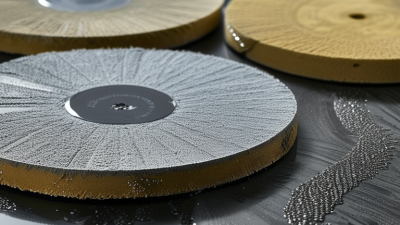
One common type is the segmented diamond pad, which features distinct segments. These pads are ideal for heavy grinding and removing material quickly. Another style is the full-face diamond pad, offering continuous surface coverage. This type is perfect for finer finishing work. Additionally, there are specialty pads designed for specific materials, like softer stone or concrete. Each option has different grit levels, affecting how aggressively they polish the surface.
Selecting the right pad can be daunting. Buyers often face challenges in finding pads that suit their specific needs. It’s important to consider factors like the type of material being polished, as well as the desired finish. Not every pad will work effectively on all surfaces. Educating oneself about the features and limitations of each type can lead to better project outcomes. While striving for excellence, it's valuable to acknowledge that trial and error are part of the learning process.
Comparing Brands: Top Manufacturers of Dry Diamond Polishing Pads
When exploring dry diamond polishing pads, it's essential to consider various brands. Each manufacturer has its own unique features. Factors such as grit size, bond strength, and durability significantly influence performance. Some brands may excel in concrete surfaces while others are better for granite or marble. Understanding these differences can guide your selection.
Pricing varies widely across brands. Sometimes, a higher price indicates superior quality. However, it’s important to assess whether the additional cost translates to better results. Reading user reviews often reveals insights into reliability and consistency. Many customers appreciate pads that maintain efficiency over time, even under rigorous conditions.
Not all pads are created equal. Some users report dissatisfaction with the lifespan of specific products. Others might find the polishing results fall short of their expectations. It's valuable to investigate feedback from multiple sources. Engaging with professional forums or industry experts may provide clarity. This can help potential buyers make informed choices. Ultimately, comparing brands thoughtfully leads to more satisfying results.
Maintaining and Extending the Life of Your Dry Diamond Polishing Pads
Dry diamond polishing pads are essential tools for achieving a high-quality finish. Proper maintenance can significantly extend their lifespan. Regular cleaning is crucial. Residue buildup can compromise performance. Studies show that well-maintained pads can last up to 30% longer than neglected ones.
Another factor is the usage technique. Keeping consistent pressure during polishing helps achieve even wear. Reports indicate that uneven pressure can lead to premature wear, decreasing the pad's efficiency. Additionally, storing pads in a dry environment away from direct sunlight can prevent degradation. Many professionals neglect this step, which is a common oversight.
Monitoring the wear indicators on pads is vital. These indicators signal when it's time to replace them, ensuring optimal functionality. Ignoring wear signs might lead to subpar results. According to industry data, timely replacements can improve productivity by up to 20%. It’s clear that mindful practices in maintaining dry diamond polishing pads can make a significant difference in efficiency and cost-effectiveness.