China Best Wet Diamond Polishing Pad Features and Benefits Explained
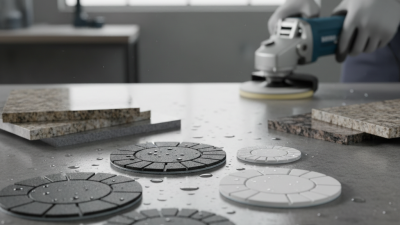
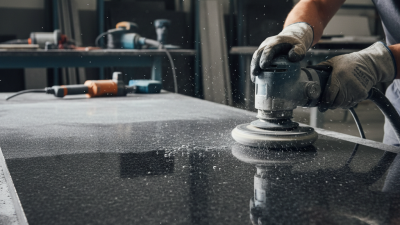
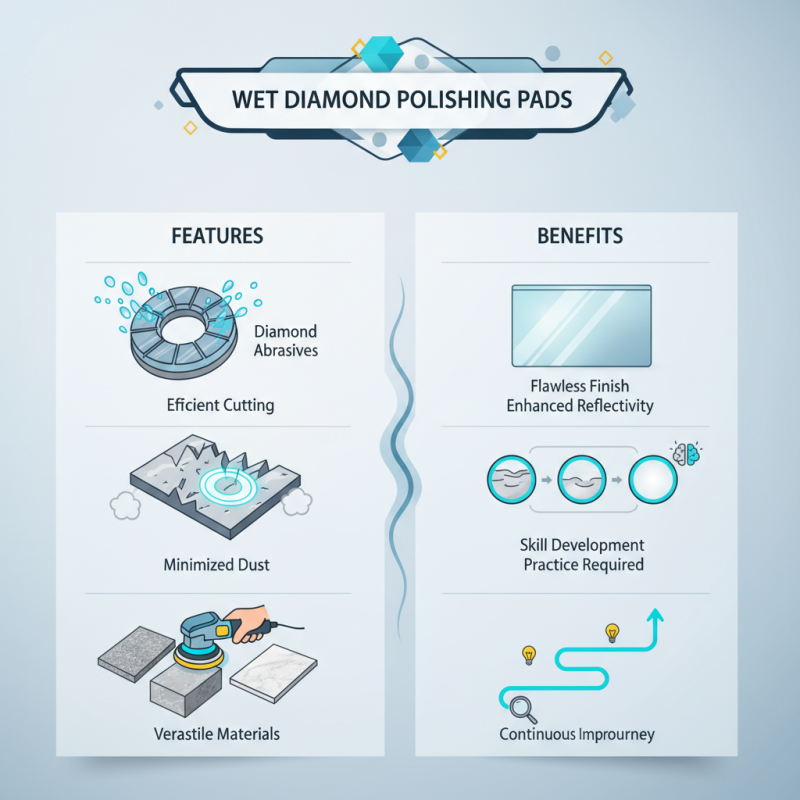
When it comes to achieving a flawless finish on various surfaces, a Wet Diamond Polishing Pad is an essential tool. These pads are designed for professionals and DIY enthusiasts alike, providing outstanding performance in polishing and grinding. Their unique construction allows them to cut through tough materials efficiently while minimizing dust and debris.
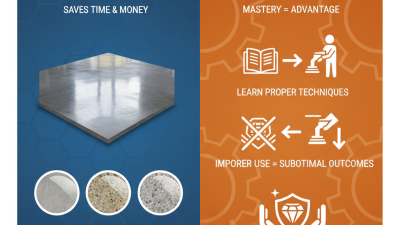
The benefits of using a Wet Diamond Polishing Pad are significant. They enhance the quality of the final finish, making surfaces smoother and more reflective. Many users have remarked on the incredible results they achieve, often surpassing their initial expectations. However, it's important to remember that using these pads requires practice. Not all results will be perfect on the first try, and some adjustments may be necessary.
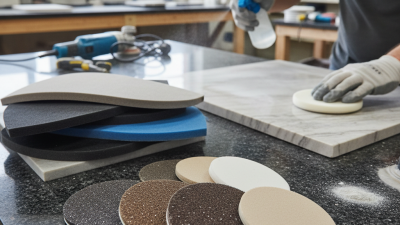
In addition to their effectiveness, Wet Diamond Polishing Pads offer versatility. They can be used on granite, marble, concrete, and more. While exploring their potential, users should remain open to learning from their experiences. Each project presents unique challenges, and mastering this tool involves a journey of discovery. Embracing imperfections can lead to incredible improvements over time.
Key Features of China Best Wet Diamond Polishing Pads
When it comes to polishing surfaces, the right tools matter.
Wet diamond polishing pads offer a host of advantages. They excel in creating a smooth, shiny finish on various materials, including concrete and stone. These pads efficiently remove scratches and blemishes, making surfaces look brand new.
One key feature is their durability. Made from high-quality diamonds, they withstand wear and tear, ensuring longevity. These pads also provide excellent flexibility, adapting to different surface contours. This adaptation makes them ideal for intricate designs. Users often find that wet polishing generates less dust compared to dry methods, creating a healthier working environment.
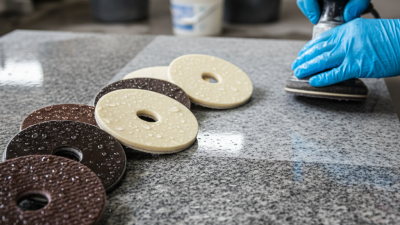
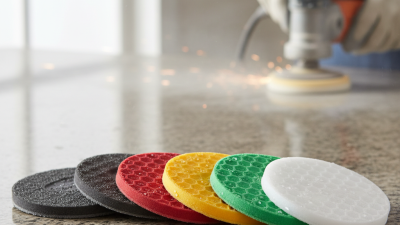
Tips for optimal use include maintaining a consistent water flow during polishing. This enhances performance and prolongs pad life. Another critical point is to start with a coarser pad and gradually move to finer grits. This step-by-step approach yields the best results. It's important to note that overusing a single pad can diminish its effectiveness; rotating pads can help maintain optimal performance.
Benefits of Using Wet Diamond Polishing Pads in Stone Care
Wet diamond polishing pads have become essential tools in the stone care industry. Their use offers numerous advantages for achieving a high-quality finish on various stone surfaces. Research indicates that these pads can enhance the longevity of surfaces by creating a smooth finish, reducing the accumulation of dirt and grime. This, in turn, minimizes maintenance costs, which can be significant for both residential and commercial environments.
One key benefit of wet diamond polishing pads is their cooling capability during the polishing process. By using water as a lubricant, they help prevent overheating, which can lead to damage or discoloration of the stone. A study by the Natural Stone Institute shows that improper polishing can reduce the stone's lifespan by up to 50%. Thus, using wet pads can prolong the attractive appearance of stone surfaces while promoting their durability.
In the stone care sector, professionals often emphasize the need for consistent quality. A survey revealed that 70% of stone finishers believe that the right tools significantly impact the final look of a project. Wet diamond polishing pads allow for this consistency, providing uniformity that dry pads often fail to match. While they may require a learning curve to master, the benefits far outweigh the initial challenges faced when incorporating this technique into stone care practices.
Comparative Analysis: Wet vs. Dry Diamond Polishing Pads
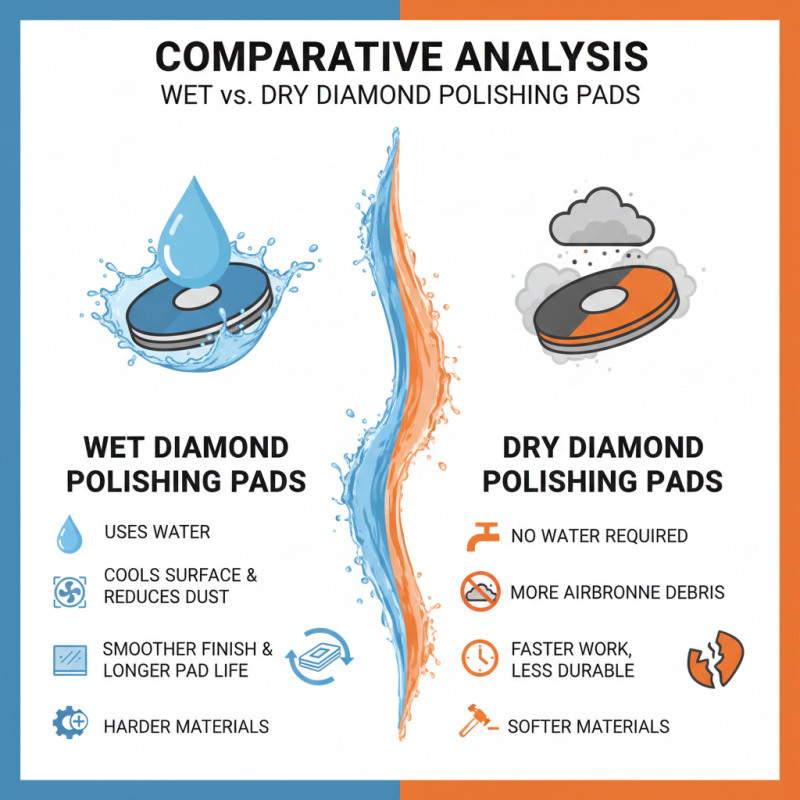
When choosing between wet and dry diamond polishing pads, understanding their features is crucial. Wet pads use water to cool the surface and reduce dust. This leads to a smoother finish and less airborne debris. The cooling effect can prolong the pad's lifespan and enhance effectiveness, especially on harder materials.
In contrast, dry polishing pads are more portable and easier to use in tight spaces. They do not require water, making them suitable for quick touch-ups or jobs where moisture is a concern. However, they often generate more heat during use, which can lead to premature wear. Users may find themselves needing to replace dry pads more frequently than wet ones.
Each type has its place. Wet pads shine on large surfaces and tougher materials. Dry pads excel in convenience and flexibility. A user's specific needs and working environment will play a vital role in choosing the right option. There is no one-size-fits-all solution; understanding the applications can minimize frustration in the long run.
Optimal Applications for Wet Diamond Polishing Pads
Wet diamond polishing pads are essential tools for various applications, particularly in the construction and renovation sectors. They excel at polishing surfaces such as concrete, granite, and marble. These pads help achieve a smooth, shiny finish that enhances the aesthetic appeal of the surfaces. Their effective use can significantly elevate the quality of work done in floor restoration or countertop refinishing projects.
When using wet diamond polishing pads, it's crucial to consider the surface type. Different materials require specific pad grits for optimal results. For instance, coarser grits are suitable for initial grinding, while finer grits are ideal for finishing touches. Water usage during the process minimizes dust and aids in cooling the pad, extending its lifespan. However, some users might overlook the importance of water flow, which can lead to subpar results or quicker wear and tear on the pads.
Proper technique and practice improve the outcome. Beginners may struggle with pressure and movement, which affects consistency. Regular practice helps refine these skills, paving the way for better finishes. Occasionally, users face challenges like achieving uniformity across large surfaces. Continuous reflection on previous projects can reveal areas for improvement. Adopting a methodical approach to polishing ensures better results over time.
Maintenance Tips for Longevity of Diamond Polishing Pads
When using diamond polishing pads, proper maintenance is crucial to ensure their longevity. A recent industry report indicates that well-maintained pads can last up to 30% longer than those that are neglected. Regular cleaning after each use is essential. This removes debris that can scratch surfaces and degrade pad quality over time. It is recommended to rinse the pads with water and allow them to air dry.
Another key to maintaining diamond polishing pads is the proper storage. Pads should be kept in a dry, cool environment. Exposure to moisture can lead to mold and a decrease in performance. Additionally, avoid stacking heavy items on top of them. This pressure can warp the pads and affect their effectiveness. Industry experts suggest inspecting pads frequently for signs of wear. Once pads show significant deterioration, it may be time to replace them.
Ultimately, users should be aware that improper use can shorten the life of diamond pads. Using the wrong speed or applying too much pressure can damage them. A study found that 45% of users do not adhere to manufacturer guidelines, which leads to increased costs and frequent replacements. Continuous education on the best practices will significantly improve outcomes in polishing tasks.