How to Choose the Best Concrete Polishing Resin Pads?
When it comes to achieving a flawless concrete surface, selecting the right Concrete Polishing Resin Pads is crucial. These pads are essential for enhancing durability and shine. With a variety of options available, understanding their features is important. Different projects require different pads. Factors like grit level and material type can greatly affect the polishing process.
Choosing the best Concrete Polishing Resin Pads can be a challenge. It's not just about picking the most expensive ones. You must consider your specific needs. Durability, effectiveness, and compatibility with your equipment matter. A pad that works well for one job might not yield the same results for another.
Reflect on your past choices and their outcomes. Were they truly effective? Did they meet your expectations? This analysis will guide your next purchase. Making an informed decision is key to achieving a smooth, polished concrete finish.
Understanding the Different Types of Concrete Polishing Resin Pads
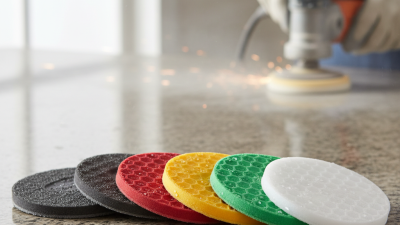
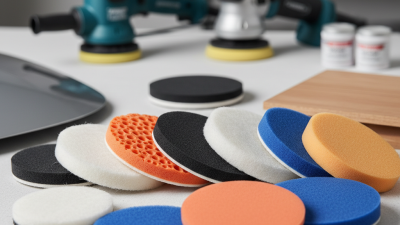
When selecting concrete polishing resin pads, understanding the various types is crucial. These pads differ in composition, grit rating, and purpose. Generally, they come in three categories: soft, medium, and hard. Soft pads are ideal for initial grinding, while hard pads suit finishing touches. Choosing the right type affects the polish quality.
Different projects may require specific resin pads. For instance, softer pads might be less effective on dense concrete. They tend to wear out faster. However, they can create a beautiful shine on porous surfaces. In contrast, medium and hard pads offer durability. They are great for larger areas and tougher materials. But they might leave some surfaces looking dull. It’s essential to consider the surface density and the desired finish.
Make sure to evaluate the polisher’s compatibility with these pads. Not every pad works with every machine. A mismatch can lead to inefficient results and quick wear. Test a few pads on scrap concrete to gauge performance. This hands-on approach helps in understanding which pad works best.
Key Factors to Consider When Choosing Resin Pads for Concrete
Selecting the right resin pads for concrete polishing can be daunting. You need to focus on several key factors. One critical aspect is the diamond grit size. Finer grits like 1000 and 3000 create a high-gloss finish, while coarser grits are suitable for removal tasks. Consider the surface condition too; new concrete may require different pads compared to old or worn surfaces.
Another important factor is the hardness of the resin pads. Softer pads are effective on harder concrete, while harder pads suit softer surfaces. The composition of the resin also matters. Make sure to choose pads that can withstand heat generated during polishing. Heat can damage pads quickly, forcing you to replace them sooner than expected.
The reliability of your supplier is also worth considering. Look for manufacturers who emphasize rigorous testing in their production. It’s easy to overlook this detail, but it can affect performance and longevity. Feedback from other professionals can provide insight into durability and effectiveness. Overall, a thoughtful approach will lead to better results and potentially save time and money.
Evaluating the Grit Levels and Their Impact on Polishing Performance
Choosing the right grit level for concrete polishing resin pads can significantly impact your results. Grit levels typically range from coarse to fine, each serving a specific purpose. Coarse pads, often around 30-60 grit, are excellent for heavy grinding and removing imperfections. They work well on rough surfaces but can leave scratches if not followed by finer pads.
As you progress to finer pads, like 100-400 grit, the polishing process becomes smoother. These pads enhance the surface's gloss and prepare it for high-gloss finishes. Balancing the grit levels is crucial. Starting with a coarse pad might seem efficient, but it could lead to more work in the finishing stages. If you skip finer grits, the overall appearance may suffer.
It's important to consider the type of concrete surface you have. Different mixes absorb compounds differently, affecting the polishing process. Testing various grit levels on small areas before full application can lead to better outcomes. This experimentation may reveal unexpected results. Adjusting your technique based on feedback from the surface is a critical part of mastering concrete polishing. Each project offers unique challenges to learn from.
Comparing Durability and Cost of Various Resin Pad Options
When it comes to concrete polishing resin pads, durability and cost are two critical factors. Different resin pads offer varying levels of durability. High-quality pads can last longer but may come at a higher price. Cheaper pads may not withstand rigorous use, leading to faster wear. This can increase overall costs due to frequent replacements. Evaluating your project requirements helps inform which option aligns best with your budget.
Consider the type of project you’re undertaking. Residential spaces may not need the same durability level as commercial projects. A busy warehouse floor requires pads that can endure heavy machinery. Conversely, a small garage may suffice with less robust options. Understanding the specific needs of your environment can guide your choice effectively.
Additionally, the actual grinding processes affect pad performance. Softer concrete might wear pads quickly, while harder surfaces may enhance longevity. Innovations in resin technology continue to evolve. Balancing cost and durability necessitates careful evaluation of your specific needs and the working conditions. Consider consulting professionals or conducting tests for more reliable insights.
How to Choose the Best Concrete Polishing Resin Pads? - Comparing Durability and Cost of Various Resin Pad Options
| Resin Pad Type |
Durability (Hours) |
Cost per Unit ($) |
Ideal Use Case |
| Standard Resin Pad |
50 |
20 |
Residential Floors |
| Premium Resin Pad |
100 |
35 |
Commercial Spaces |
| Diamond Resin Pad |
150 |
50 |
Heavy-Duty Industrial Work |
| Eco-Friendly Resin Pad |
70 |
30 |
Residential & Green Building |
| Specialty Resin Pad |
80 |
45 |
Artistic Finishes |
Tips for Properly Using and Maintaining Concrete Polishing Resin Pads
When it comes to enhancing concrete surfaces, understanding how to use and maintain resin pads is essential. Proper usage ensures longevity and optimal results. Always begin by cleaning the surface thoroughly. Dust and debris can impair the polishing process. Pay attention to the grit size of your pads. Start with a coarser grit before progressing to finer ones for a smooth finish.
Here are some tips for effective maintenance.
Store the resin pads in a cool, dry place. Moisture can damage them and reduce their effectiveness. Regularly check for wear and tear. Don’t hesitate to replace pads once they show significant wear; it's better to invest in new pads than to compromise your results. Always clean the pads after use to prevent resin buildup.
Remember, practice makes perfect. Experiment with different techniques to find what works best for your specific concrete surface. Every project is unique and may require adjustments. Be attentive to your outcomes and learn from any imperfections. This approach not only improves your skills but also enhances the final finish.