What is Dry Diamond Polishing Pad and How to Use It?
In the world of surface finishing, the "Dry Diamond Polishing Pad" stands out for its efficiency and versatility. As an industry expert, Dr. Emily Carter states, "The right polishing pad can transform surfaces and elevate craftsmanship." Her insights highlight the importance of selecting the right tools for optimal results.
Dry diamond polishing pads are essential for achieving a flawless finish on various materials. They work effectively without water, making them ideal for projects where moisture can be a concern. With their diamond-infused surfaces, these pads offer unparalleled durability. Users can navigate different grits for diverse applications, from grinding to high-gloss polishing.
However, mastering the use of a Dry Diamond Polishing Pad is not without challenges. Each surface requires a tailored approach. The learning curve can be steep, and improper use may lead to uneven finishes. Reflecting on the process helps artisans refine their techniques and improve their outcomes.
What is a Dry Diamond Polishing Pad?
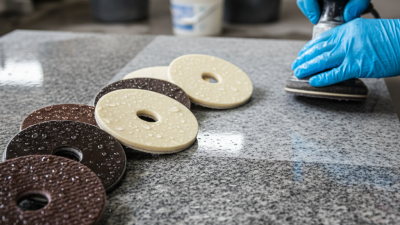
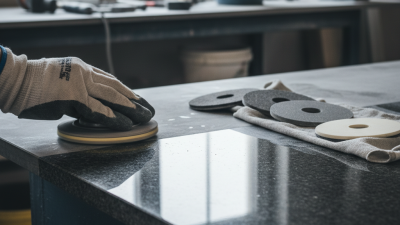
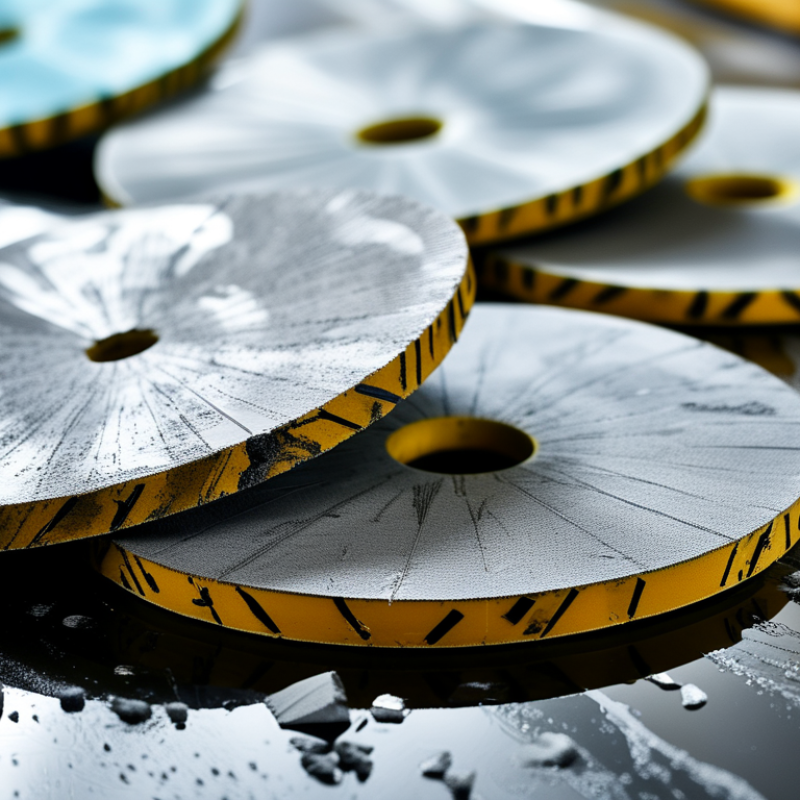
Dry diamond polishing pads are essential tools in the stone and concrete finishing industry. These pads are designed to produce a high-gloss finish on various surfaces without the need for water. They consist of diamond particles bonded to a flexible backing, enabling them to polish effectively. The primary advantage of using dry pads is that they minimize mess and drying time.
Using dry diamond polishing pads is straightforward but requires attention. Start by preparing the surface you plan to polish. Ensure it is clean and dry. Attach the pad to your polishing tool, adjusting the speed to match the pad's grit level. It’s crucial to apply light pressure while moving the tool in a consistent motion. This technique prevents overheating and encourages even polishing.
Tips: Keep your work area well-ventilated. Dust can accumulate quickly when using dry pads, so wearing a mask is a good practice. Also, begin with a coarser grit and gradually move to finer grits for the best results. Experiment with different motions, such as circular or linear, to discover what works best for your specific surface. Don’t rush through the process; a polished surface requires patience and attention to detail.
Components and Features of Dry Diamond Polishing Pads
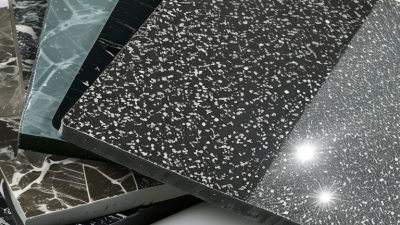
Dry diamond polishing pads are essential tools in the world of surface finishing. They consist of a backing material, typically a flexible resin, embedded with diamond particles. These diamonds are precisely graded to create various levels of abrasiveness. The pads are specifically designed for polishing hard surfaces like concrete, granite, and marble. Their fine texture allows for a high-gloss finish.
When using dry diamond polishing pads, it is crucial to consider their grit levels. Coarser pads prepare the surface by removing scratches and imperfections. As you progress to finer pads, the surface becomes smoother. However, improper pad choice can lead to undesirable results. It’s important to test a small area first. This practice helps avoid visible scratches or an uneven finish. Users often note the difference between wet and dry polishing, with dry pads being less messy yet potentially more challenging to control.
Additionally, the durability of these pads should not be overlooked. While high-quality pads can last many projects, their lifespan degrades with improper use. Overheating can wear down the diamond particles quickly. Many users have learned this lesson the hard way. Regular inspection for wear and tear will help maintain their effectiveness. Attention to details like pressure applied and movement speed are also key for optimal results.
Step-by-Step Guide to Using Dry Diamond Polishing Pads
Dry diamond polishing pads are essential tools for achieving a high-gloss finish on various surfaces. Understanding how to use them effectively can elevate your polishing projects. Here’s a step-by-step guide tailored for optimal results.
Start by selecting the right pad for your material. Different surfaces require specific grits. For instance, softer pads work better on softer stones, while harder pads suit tougher materials. Before application, ensure the surface to be polished is clean and free of debris. Dust or dirt can create scratches during polishing.
Apply the dry diamond pad to the surface with even pressure. Use a circular motion and work in small sections. Industry studies show that using consistent, overlapping strokes can enhance the overall finish quality by up to 30%. Remember to take breaks. Overworking the surface can lead to overheating and uneven spots.
Evaluate your progress frequently. Look for areas that need more attention or have not achieved the desired shine. If you notice inconsistencies, change the grit of the diamond pad or adjust your technique. Regularly assessing your work can significantly improve the final outcome and refine your polishing skills over time.
Best Practices for Maintaining Dry Diamond Polishing Pads
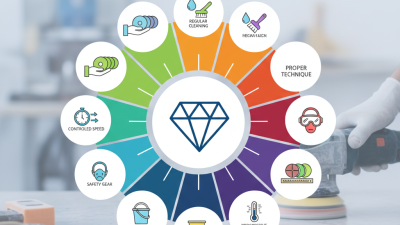
Dry diamond polishing pads are essential tools for achieving a smooth finish on various surfaces. To maintain their effectiveness, it is crucial to follow best practices. Regular cleaning is important. After each use, rinse the pads with water to remove dust and particles. This simple step can extend their lifespan significantly.
Storage also matters. Keep the pads in a cool, dry place to avoid degradation. Avoid stacking them, as this can cause warping. If you notice your pads are wearing unevenly, it may indicate an issue with your technique or surface preparation. Assess your working environment regularly.
Another key aspect is inspecting for damage. Minor cracks or imperfections can affect performance. Replace worn pads to avoid subpar results. Regular maintenance not only ensures better outcomes, but also saves you money in the long run. Each of these steps contributes to prolonging the life of your dry diamond polishing pads, ensuring they remain reliable for your projects.
Common Applications and Industries for Dry Diamond Polishing Pads
Dry diamond polishing pads are essential tools in many industries. They are widely used in stone, concrete, and hardwood flooring. These pads provide a smooth finish without water, which is crucial in environments where moisture can be harmful.
The construction and flooring industries benefit greatly from using dry diamond polishing pads. They help restore the shine on surfaces and remove scratches effectively. In the automotive industry, these pads are used for detailing and refurbishing vehicles. Their versatility makes them suitable for various applications.
However, achieving the perfect finish requires practice and technique. New users might struggle with uneven pressure or improper speed settings. It can lead to unsatisfactory results. Continuous learning and experimentation are key to mastering the use of these pads. Over time, operators can develop a feel for their equipment and improve their results.