page_banner

10 Essential Tips for Choosing Concrete Polishing Resin Pads

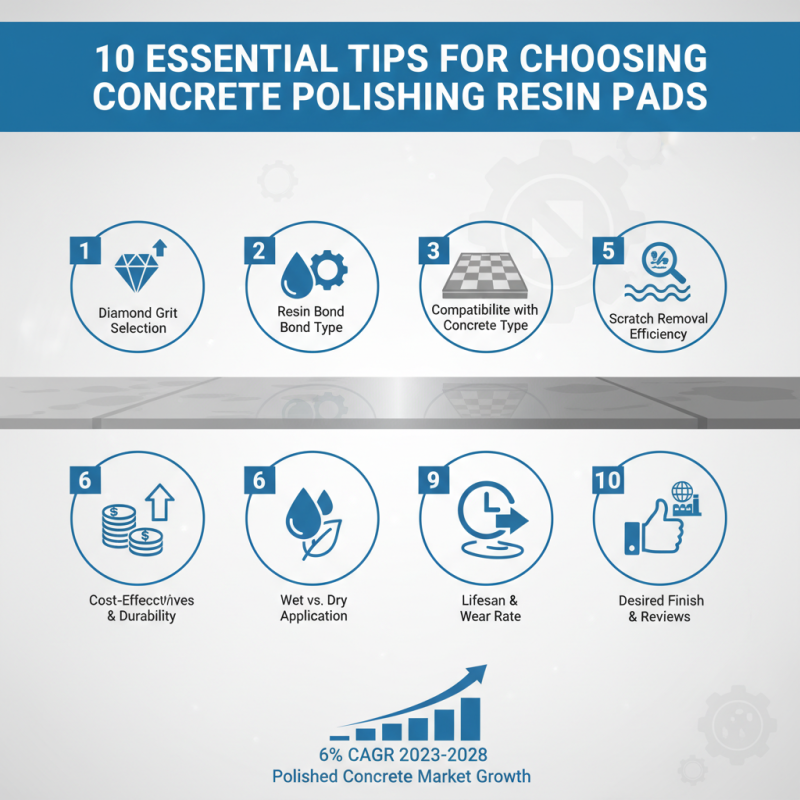
Choosing the right Concrete Polishing Resin Pads is crucial for achieving optimal floor finishes. Industry reports indicate that polished concrete floors are growing in popularity, with a projected CAGR of 6% from 2023 to 2028. This rise is attributable to their durability and aesthetic appeal. However, not every resin pad will deliver the desired results.

Selecting an improper pad can lead to uneven surfaces and increased costs. For instance, using low-quality pads might result in scratch marks or significant wear on the concrete. Ensuring compatibility with flooring types is essential. Many professionals overlook the specifications, which can lead to poor performance and dissatisfaction.

Real-world examples illustrate this point. Some contractors have reported less-than-ideal finishes after using generic pads. They found that investing time in choosing the right Concrete Polishing Resin Pads significantly improved the final outcome. It's not just about picking any pad; it should match the job requirements. The right choice can enhance efficiency and the overall look of polished concrete.
10 Essential Tips for Choosing Concrete Polishing Resin Pads

Understanding Concrete Polishing Resin Pads and Their Importance

Concrete polishing resin pads play a critical role in achieving a high-quality finish on concrete surfaces. These pads come in various grit levels, each serving a specific purpose. Choosing the right grit can make or break the polishing process. A lower grit pad is ideal for initial grinding. Higher grits help achieve that glossy finish many seek. Knowing when to switch pads is essential.

Understanding the differences in pad materials is equally vital. Some pads may wear out quickly while others offer durability. This variability often leads to frustration for new users. It's worth experimenting with different types to feel confident in your choice. Surface texture also influences pad performance. Rough surfaces may require different pads than smoother ones.

Selecting a resin pad isn't just about performance; it’s about ensuring the best results for your project. Reflection is key here. Are you choosing pads solely based on price? Or are you considering quality and suitability? Recognizing these aspects can lead to better outcomes. The right pad will save time and deliver the finish you desire. Each project demands thoughtful consideration. Keep learning and adjusting your choices as you gain more experience.
Concrete Polishing Resin Pads Durability Comparison

Identifying Different Types of Concrete Polishing Resin Pads

10 Essential Tips for Choosing Concrete Polishing Resin Pads

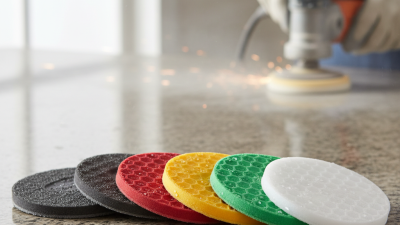
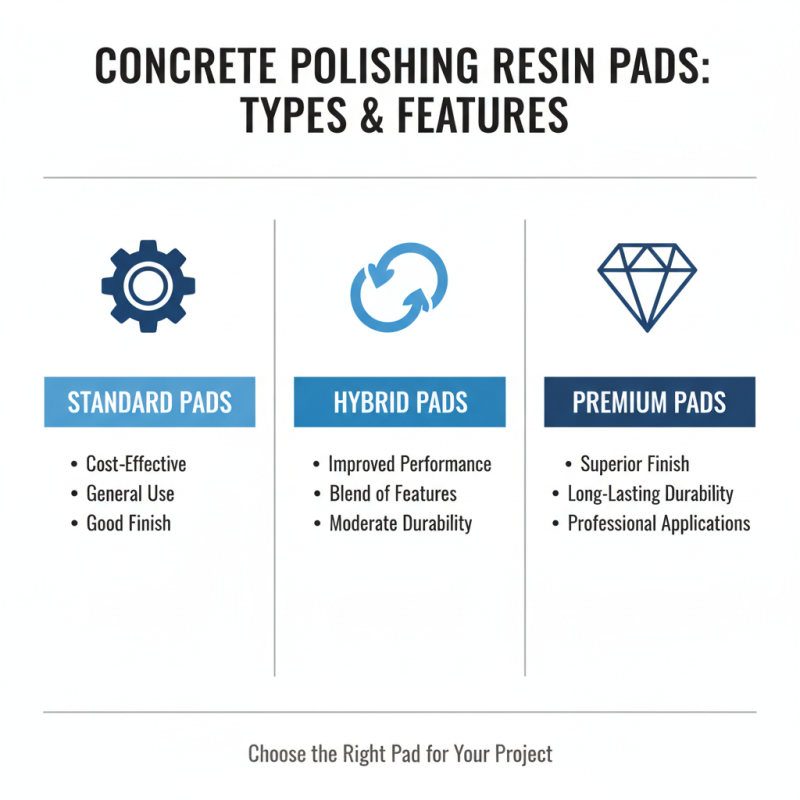
When choosing concrete polishing resin pads, it's important to understand their types. There are three primary categories: standard, hybrid, and premium pads. Each has unique features suitable for different applications. Standard pads are cost-effective but may not provide the best finish. They typically work well for general use. Hybrid pads blend features of standard and premium, offering improved performance. However, users may find their durability less impressive than premium options.

Premium pads yield superior results and have a longer lifespan. A recent industry report shows that premium resin pads can last up to 50% longer than standard ones. This longevity can significantly impact project costs. The choice of resin also alters results. For example, pads with a higher diamond content often deliver a better shine. However, they can be more challenging to use for beginners, leading to potential mistakes.

Selecting the right pad involves balancing cost and quality. Users might find themselves amazed by the immediate results but frustrated by more complex applications. It’s essential to test various types in different working conditions. Failure to do so can result in uneven surfaces or longer working times. Reflecting on experiences can illuminate the best fit for specific projects and needs.

Key Factors to Consider When Choosing Resin Pads

Choosing the right concrete polishing resin pads can be a challenging task. You need to consider several key factors. First, understand the hardness of your concrete surface. Softer surfaces require different pads than harder ones. Assess the level of gloss you aim to achieve. High-gloss finishes demand finer grit pads.

Another crucial factor is the pad's bonding type. Flexible bonding offers more adaptability to irregular surfaces, while hard bonding is better for flatter areas. This affects how the pad wears over time. It's essential to reflect on your usage conditions—whether indoors or outdoors, dust levels can impact performance.

When selecting pads, look beyond the color and design. Different colors may signal different grits or uses. Test a few options in small sections to gauge their effectiveness. Not all pads perform the same under various conditions. There may be moments when a pad doesn’t meet your expectations; this is part of the learning process. Embrace the trial and error to refine your choices.

Evaluating Resin Pad Durability and Performance

When choosing concrete polishing resin pads, durability and performance are key. Resin pads need to withstand heavy use. Tearing or wearing out too quickly can lead to costly delays. It’s essential to analyze the material composition. Some pads offer better longevity and efficiency than others. Look for a combination of hardness and flexibility. Soft pads may wear down faster, while hard pads can damage the surface.

When assessing durability, consider the type of projects you tackle. High-traffic areas require tougher pads. They must resist heat and maintain their effectiveness. Testing pads on various surfaces can reveal their true performance. Observing how they react to different conditions helps inform your choice.

Finally, reading reviews can be enlightening. Look for user experiences that discuss lifespan and results. Professional insight often highlights what to expect in real-world applications. Selecting the right pad can be challenging. Reflect on your specific needs to ensure you make an informed decision. It’s about finding a balance between performance and durability that suits your work style.

Best Practices for Maintaining Concrete Polishing Resin Pads

Maintaining concrete polishing resin pads is crucial for optimal performance. Regular inspection can prevent costly repairs. Industry reports show that well-maintained pads last significantly longer. In fact, a noted study indicates that proper upkeep can extend the lifespan by up to 30%.

Clean resin pads after each use. Dirt and debris can cause uneven wear. Wet cleaning methods work well but may lead to a sticky residue if not dried properly. It’s essential to use the right cleaning solution to avoid damaging the pad. A common mistake is neglecting this process.

Storage conditions matter too. Keep resin pads in a cool, dry place. High humidity can compromise resin integrity, leading to poor results during polishing. Check for signs of wear regularly, particularly if the pads are used frequently. Underestimating this can lead to more significant issues later on.

10 Essential Tips for Choosing Concrete Polishing Resin Pads

Tip Number Tip Description Benefits Maintenance Advice
1 Understand the different grit levels Allows for smoother finishes and appropriate polishing. Choose grit based on the surface condition.
2 Select the right type for your concrete Enhances durability and efficiency in polishing. Test on a small area if unsure.
3 Consider the thickness of the pads Improves the lifespan of the pads. Regularly inspect for wear and tear.
4 Evaluate the bond type Ensures suitable adhesion and performance. Keep pads clean to maintain bond integrity.
5 Look for compatibility with machines Maximizes efficiency in polishing. Ensure proper fitting and maintenance of equipment.
6 Assess the manufacturer’s recommendations Helps in selecting suitable products. Follow suggested usage guidelines.
7 Check for dust containment features Reduces dust pollution and improves visibility. Use in a well-ventilated area.
8 Seek feedback from professional users Gains insights into real-world performance. Join forums and communities for tips.
9 Consider the price versus quality ratio Ensures value for investment. Buy in bulk for cost savings when possible.
10 Regularly review and update your supply Ensures you have the best products available. Set reminders for inventory checks.