10 Essential Tips for Using Diamond Pads Effectively?
Using Diamond Pads can greatly enhance your surface finishing tasks. These versatile tools are essential for various applications, including polishing and grinding. However, many users struggle to achieve optimal results.
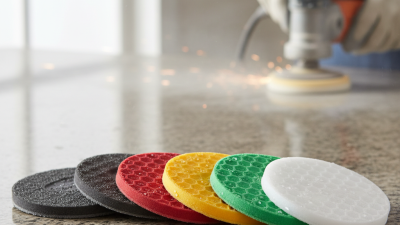
To effectively utilize Diamond Pads, understanding their characteristics is crucial. Each pad has different grit sizes, which serve unique purposes. Choosing the right grit can make a significant difference in your work's quality. For instance, finer grits are perfect for achieving a smooth finish, while coarser grits tackle more aggressive tasks.
Additionally, maintaining the pads is often overlooked. Regular cleaning ensures longevity and consistent performance. It’s easy to underestimate this step, yet it can prevent unsatisfactory results. Users frequently find themselves frustrated when their pads wear out too quickly. Remember, even small mistakes can lead to larger issues in polishing quality. With these tips, you can refine your technique and fully leverage the power of Diamond Pads.
Understanding Diamond Pads: Types and Uses
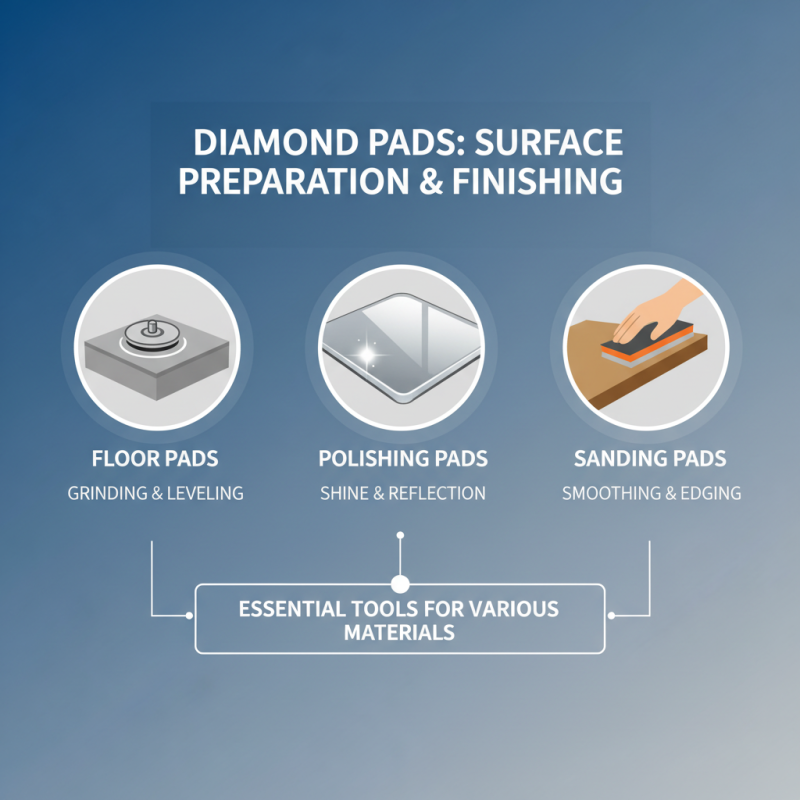
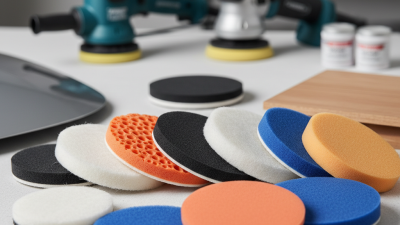
Diamond pads are essential tools in the world of surface preparation and finishing. They come in various types, each designed for specific applications. There are diamond floor pads, polishing pads, and sanding pads, each serving unique purposes. Diamond floor pads are ideal for grinding surfaces. Polishing pads create a shine on various materials. Sanding pads are effective for smoothing rough edges.
Choosing the right pad is crucial. Using a fine-grit pad on a rough surface might not yield desired results. Likewise, a coarse pad on a delicate surface can cause damage. Reflect on your project's needs. Match the pad type to the material. The effectiveness of diamond pads often depends on proper technique. Avoid rushing the process. Take your time to achieve a flawless finish.
Cleaning and maintaining the pads enhance longevity. Regularly check for wear and tear. A worn-out pad will not perform effectively. Sometimes, it’s tempting to push through, but reflection is necessary here. Understanding these nuances will improve your work quality. Remember, it’s about developing skill over time. Mistakes will happen, but they offer lessons for future projects.
Preparing Your Surface for Diamond Pad Application
Preparing your surface for diamond pad application is crucial for achieving optimal results. Start by thoroughly cleaning the area. Dust and dirt can hinder the effectiveness of the diamond pads. Use a vacuum or damp cloth to eliminate debris. Ensure all residues are removed, especially in corners and seams.
Once the surface is clean, inspect it for any imperfections. Cracks and holes can interfere with the polishing process. Consider patching these areas with filler. It might feel tedious, but it is worthwhile for a smooth finish. Sometimes, imperfections are overlooked, leading to uneven results. Take your time during this step; rushing may cause problems later.
Next, assess the surface's dryness. Wet surfaces can impede bonding and cause the pads to wear unevenly. A dry surface ensures better adhesion. It’s easy to assume everything is ready, but double-checking can save you from frustration. The preparation stage sets the foundation for the polishing process. Quality prep work will reflect in your final results.
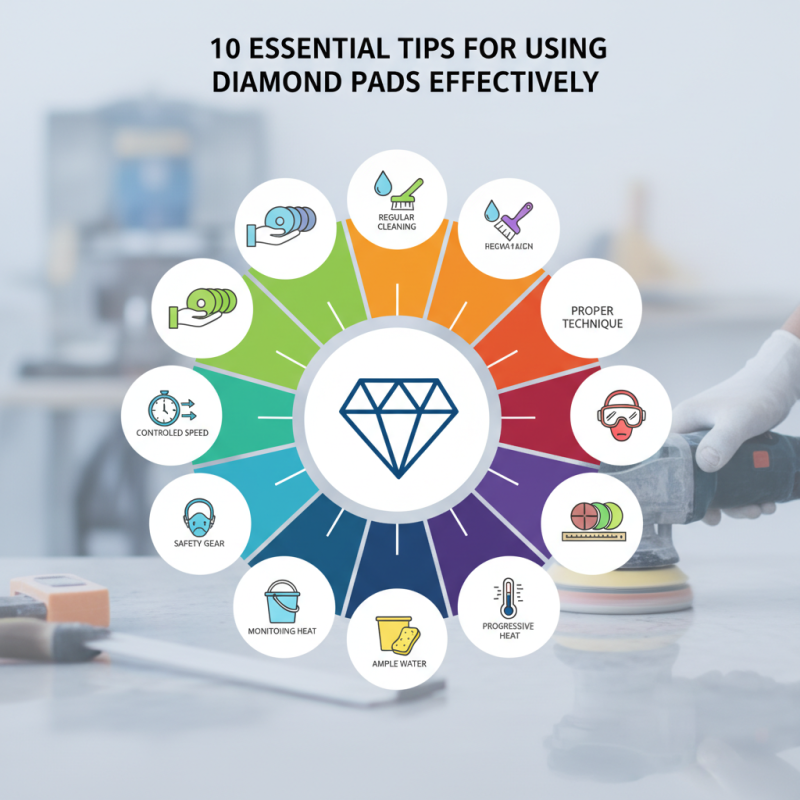
10 Essential Tips for Using Diamond Pads Effectively
| Tip Number |
Tip |
Details |
| 1 |
Choose the Right Grit |
Select the appropriate grit based on the surface type and desired finish. |
| 2 |
Prepare the Surface |
Ensure the surface is clean and free of debris to prevent damage. |
| 3 |
Use Proper Technique |
Employ a consistent motion and pressure to achieve a uniform finish. |
| 4 |
Don’t Rush the Process |
Take your time to ensure thorough polishing and avoid mistakes. |
| 5 |
Keep the Pad Cool |
Use water or a cooling solution to prevent overheating of the pad. |
| 6 |
Regularly Inspect the Pad |
Check for wear and tear; replace the pad as needed to maintain effectiveness. |
| 7 |
Use the Right Equipment |
Select a machine that is compatible with diamond pads for best results. |
| 8 |
Follow Manufacturer's Instructions |
Adhere to guidelines provided for optimal usage and safety. |
| 9 |
Test in a Small Area |
Conduct a test run on a small section to gauge effectiveness before proceeding. |
| 10 |
Maintain Safety Protocols |
Always wear appropriate safety gear to protect yourself during the process. |
Techniques for Effective Diamond Pad Usage
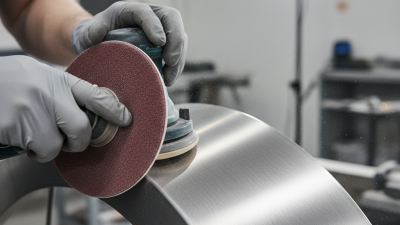
When using diamond pads, technique is key. Start with the right surface preparation. Ensure the surface is clean and dry. This helps the pads work effectively. If the surface is dirty, the pads will not adhere well. This mistake can lead to uneven results and frustration.
Tip 1: Test a small area first. This helps you gauge the pad's effectiveness. It allows you to adjust pressure and speed according to the material. You should be aware that too much pressure can damage both the material and the pad itself.
Another important technique is to keep the pads moving. If you pause too long in one spot, it can create uneven surfaces. The motion should be steady and consistent. However, don’t rush the process. Speed can lead to mistakes. It's better to take your time and achieve a smooth finish. Remember, practice helps in mastering these techniques, so don’t be discouraged by initial imperfections.
10 Essential Tips for Using Diamond Pads Effectively
Maintaining and Caring for Your Diamond Pads
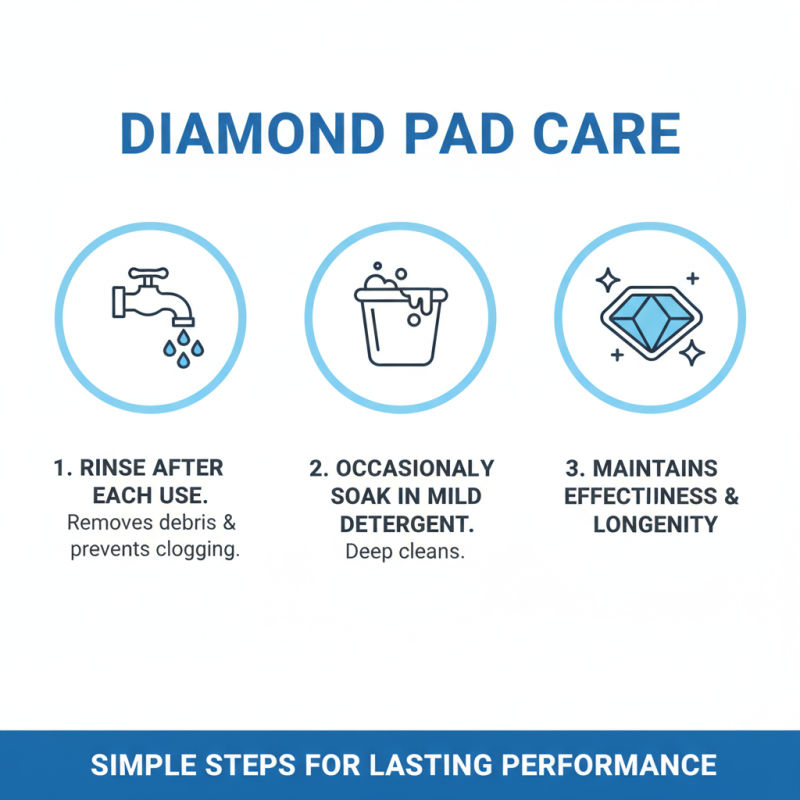
When it comes to caring for diamond pads, proper maintenance is crucial. After each use, rinse the pads under running water to remove debris. This simple step prevents clogging, which can reduce their effectiveness. Occasionally, soak them in a mild detergent solution to keep them clean. It’s a small task, but one often overlooked in the hustle of daily projects.
Storage is just as important as cleaning. Store your diamond pads in a cool, dry place. A mesh bag works well, allowing air to circulate and preventing moisture build-up. Some users neglect this, leading to issues like rust or mold. Remember, these pads are an investment. Treat them with respect to extend their lifespan.
Lastly, inspect your pads regularly. Look for signs of wear and tear. If you notice excessive damage, it’s time to replace them. Ignoring this can hinder your work and lead to subpar results. Regular care and attention can make a significant difference in the performance of your diamond pads.
Safety Precautions When Using Diamond Pads
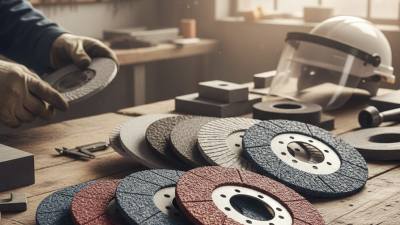
When using diamond pads, safety must be a priority. Always wear protective eyewear. Dust and debris can fly up during use. It’s crucial to maintain a safe distance from others in the workspace. A mask can also help prevent inhaling harmful particles. These simple precautions can make a big difference in safety.
Using diamond pads requires care. Make sure to secure the material you are working on. Loose items can shift and lead to accidents. Be aware of your surroundings too. A cluttered area increases the risk of slips and falls. Regularly check your pads for wear. A worn pad may not only be ineffective but can also be dangerous.
Remember, every user has a learning curve. Mistakes will happen, and that’s fine. Evaluate what went wrong and adjust accordingly. Safety doesn't just happen; it’s a skill built over time. Each session should be an opportunity to improve your technique and safety measures. Stay vigilant, and keep a critical mindset.