2026 How to Choose the Best Grinding Disc for Your Needs?
Choosing the right grinding disc is crucial for successful projects. With numerous options available, the selection process can be daunting. Understanding your specific needs is essential. A good grinding disc can enhance efficiency and ensure quality results. Selecting poorly can lead to subpar performance and safety hazards.
When considering a grinding disc, factors like material type and application are vital. Discs come in various abrasive materials, each suited for different tasks. For instance, some discs excel in metalworking, while others are ideal for stone or ceramics. Evaluating your project requirements helps narrow down choices.
Furthermore, safety should never be compromised. Ensure that the grinding disc matches the tool specifications. Overlooking this can result in accidents or damage. It's also beneficial to consult industry standards and user reviews. Balancing performance with safety is key for any successful endeavor.
Types of Grinding Discs: Understanding the Options Available
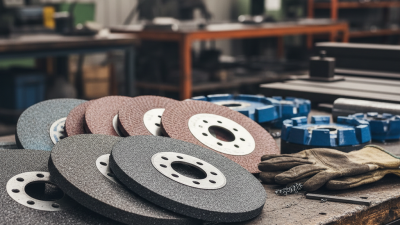
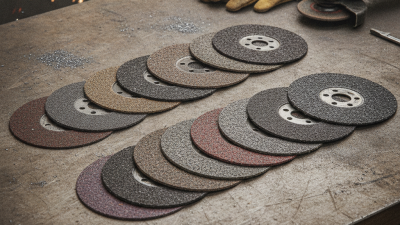
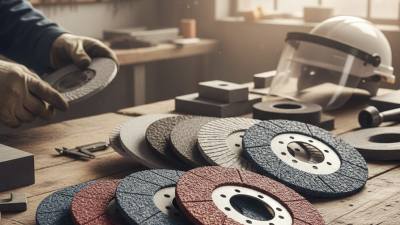
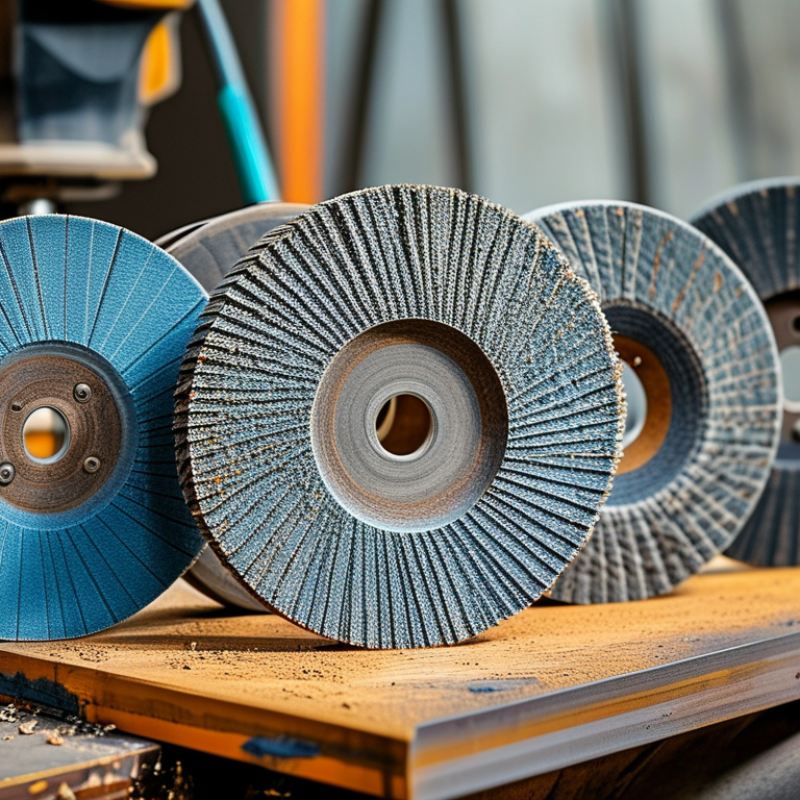
When choosing the best grinding disc, it's crucial to understand the different types available. Each type serves a unique purpose and material. For metalworking, flap discs, and cutting discs are popular choices. For concrete and masonry, diamond discs are recommended. These discs vary in grit size and composition, impacting their performance.
Tips: Always check compatibility with your grinder before purchasing a disc. Some discs work best at specific RPMs. This can prevent accidents and ensure efficiency.
Understanding the materials of a disc is also vital. Aluminum oxide is versatile for general steel grinding, while silicon carbide performs well on hard materials. Each material has its strengths and weaknesses. Some users may find they need to experiment to find the best fit.
Tips: Consider the specific project requirements before making a choice. If in doubt, consult a professional for advice tailored to your situation. This approach can save time and improve results.
Factors to Consider When Selecting a Grinding Disc
Choosing the right grinding disc can significantly impact your project outcomes. When selecting a grinding disc, consider the materials you'll be working with. Different discs are designed for specific substances, such as metal, wood, or masonry. Understanding your material helps in choosing a disc that offers efficiency and precision.
Next, think about the grit size. Coarse grits remove material quickly but may leave a rough finish. Fine grits offer a smoother finish but take longer to work. Balancing between the two is crucial. It's wise to have a variety of grit sizes on hand for different tasks. This flexibility can save time and enhance the quality of your work.
Also, pay attention to the disc's diameter and thickness. Thicker discs tend to last longer and handle tougher tasks. However, they may be less maneuverable. In contrast, thinner discs provide better control but may wear out more quickly. Reflect on how these characteristics align with your specific needs. Making informed choices can lead to better results and a more satisfying grinding experience.
Material Compatibility: Choosing the Right Disc for Your Project
When selecting the right grinding disc, material compatibility is crucial. Different materials require different abrasives to achieve effective results. For instance, a disc designed for metal may not work well on wood. Conversely, wood-specific discs may burn or tear when used on metals. Understanding the properties of each material helps in optimizing performance.
Consider the material's hardness and composition. Soft materials like plastics need more delicate discs. Harder materials like stainless steel or cast iron need tougher abrasives to prevent premature wear. It's essential to also consider the finish you desire. A rough finish requires a different approach compared to a polished one.
Not all grinding processes are straightforward. Often, trial and error is part of the learning curve. You may find that a disc you chose performs poorly in practice. In this case, reflecting on the material's nature and the disc’s specifications is critical. This understanding will lead to better choices for future projects.
2026 How to Choose the Best Grinding Disc for Your Needs? - Material Compatibility: Choosing the Right Disc for Your Project
| Material |
Disc Type |
Grit Size |
Application |
Notes |
| Steel |
Aluminum Oxide |
60 |
Heavy Grinding |
Best for remove heavy material |
| Stainless Steel |
Ceramic |
80 |
Finishing |
Reduces heat build-up |
| Concrete |
Diamond |
20 |
Cutting |
Long-lasting and efficient |
| Plastics |
Silicon Carbide |
120 |
Polishing |
Minimize surface damage |
| Wood |
Zirconia |
40 |
Sanding |
Durable and aggressive cut |
Safety Features and Ratings to Look for in Grinding Discs
When selecting a grinding disc, safety is paramount. Look for discs that comply with relevant safety standards. Certifications indicate that the disc has undergone rigorous testing. Discs without such ratings may pose serious risks during operation. Always check for visual indicators like markings or labels.
Consider the construction material of the disc. High-quality materials can withstand stress better. Some may crack or break under pressure, leading to hazardous situations. A disc with reinforced edges can offer added protection. It's crucial to review the manufacturer's guidelines.
Beyond safety ratings, pay attention to the disc's intended use. Some discs work best on specific materials, while others are more versatile. Misusing a disc can lead to injuries or equipment damage. Reflect on your specific needs before making a choice. Testing a few options in a controlled environment can yield better insights. Always prioritize safety and performance in your selection.
Tips for Proper Use and Maintenance of Grinding Discs
When using grinding discs, proper maintenance is crucial for performance and safety.
Regularly inspect your discs for cracks or damage. A report from the American Welding Society indicates that
70% of grinding accidents occur due to equipment failure. This highlights the importance of routine checks.
Storing grinding discs in a dry, cool place is vital. Humidity can compromise disc integrity.
Each disc should be clean, free of contaminants. According to industry standards, maintaining a clean workspace reduces the
risk of accidents by 30%. Use protective gear; never overlook safety goggles and gloves.
One common mistake is overusing a single disc. Disc lifespan can vary significantly, often between 150 to 300 minutes of grinding,
depending on the application. If a disc shows signs of wear, replace it promptly. A worn disc is less effective and poses a safety risk.
Reflect on your usage habits. Regular monitoring can lead to better efficiency and decrease the likelihood of costly replacements.