Metal Abrasives Tips for Choosing the Best Option?
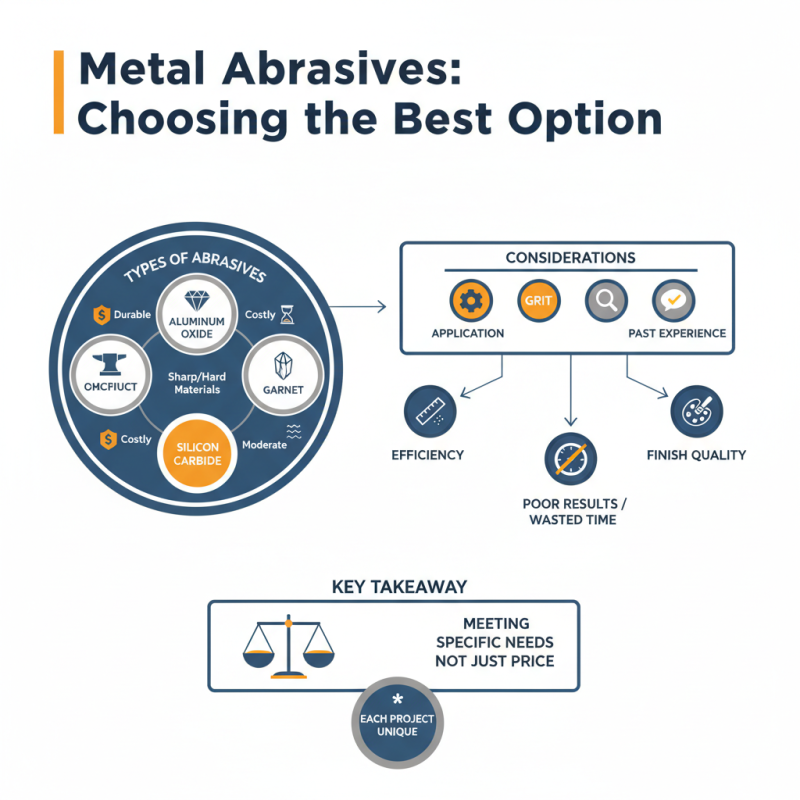
Choosing the right metal abrasives can be challenging. Common types include aluminum oxide, silicon carbide, and garnet. Each offers unique benefits and drawbacks. For example, aluminum oxide is durable and effective, but can be costly. Silicon carbide is sharp and ideal for harder materials, but wears out quickly.
When selecting metal abrasives, consider the application. The choice impacts efficiency and finish quality. It’s not just about price; it’s about meeting specific needs. Many users overlook the importance of proper grit size. Using the wrong size may lead to poor results and wasted time.
Reflect on your past experiences with abrasives. Were you satisfied with the performance? Did you choose the right type? Asking these questions can guide future purchases. Remember, the best metal abrasives for one project may not suit another. Each application requires thoughtful consideration.
Understanding the Different Types of Metal Abrasives Available Today
When it comes to metal abrasives, understanding the types available is crucial. Different projects require different materials. Some common options include aluminum oxide, silicon carbide, and ceramic abrasives. Each has unique properties that can impact performance.
Aluminum oxide is durable and ideal for heavy grinding tasks. Silicon carbide, on the other hand, is great for hard materials. It wears out quickly, but it provides smoother finishes.
Choosing the right abrasive might seem straightforward. Yet, many overlook details. For instance, the grit size matters significantly. Finer grits suit delicate work. Coarser grits, however, remove material faster. Think about the project demands before selecting. Also, consider the safety aspects. Some abrasives generate heat, which can lead to burns. Mistakes can happen if you’re not careful. Test small areas when in doubt.
It’s easy to assume all abrasives work the same way. In reality, each type has a specific purpose. For metal surfaces, choosing the wrong abrasive can cause damage. Reflect on previous choices you made. Did they lead to the quality you expected? Metal abrasives can enhance your work, but only if chosen wisely. Your projects deserve the best materials and enough thought in the decision-making process.
Key Factors to Consider When Selecting Metal Abrasives for Your Project
When selecting metal abrasives for your project, there are several key factors to consider. The material type is crucial. Different metals require specific abrasives. For instance, aluminum may require softer abrasives, while steel might need something more aggressive. An improperly chosen abrasive can damage the surface or fail to achieve the desired finish.
Another important factor is the grit size. Grit refers to the particle size of the abrasive. Finer grits provide a smoother finish, while coarser grits remove material more quickly. However, using a grit that’s too fine may lengthen your project time unnecessarily. It’s essential to strike a balance based on your project requirements and timeline.
Don't overlook the application method. Are you sanding, grinding, or polishing? Each method can change the effectiveness of the abrasive. The speed and pressure applied during the process also play a role. Too much pressure can lead to burn marks. Take time to test different combinations. Small adjustments can make a big difference in results.
Evaluating Performance Metrics: Grit Size, Composition, and Durability
When choosing metal abrasives, evaluating performance metrics is crucial. Grit size is a key factor. It determines how aggressive the abrasives will be. Smaller grit sizes create a smoother finish, while larger sizes remove material faster. Too coarse can lead to unwanted scratches. Finding the right balance is essential for your project's needs.
The composition of abrasives plays a significant role. Materials can vary from aluminum oxide to silicon carbide. Each offers unique benefits and limitations. For example, aluminum oxide is durable and effective for tough surfaces. However, it may not be suitable for softer materials. Assess the specific requirements of your task before making a choice.
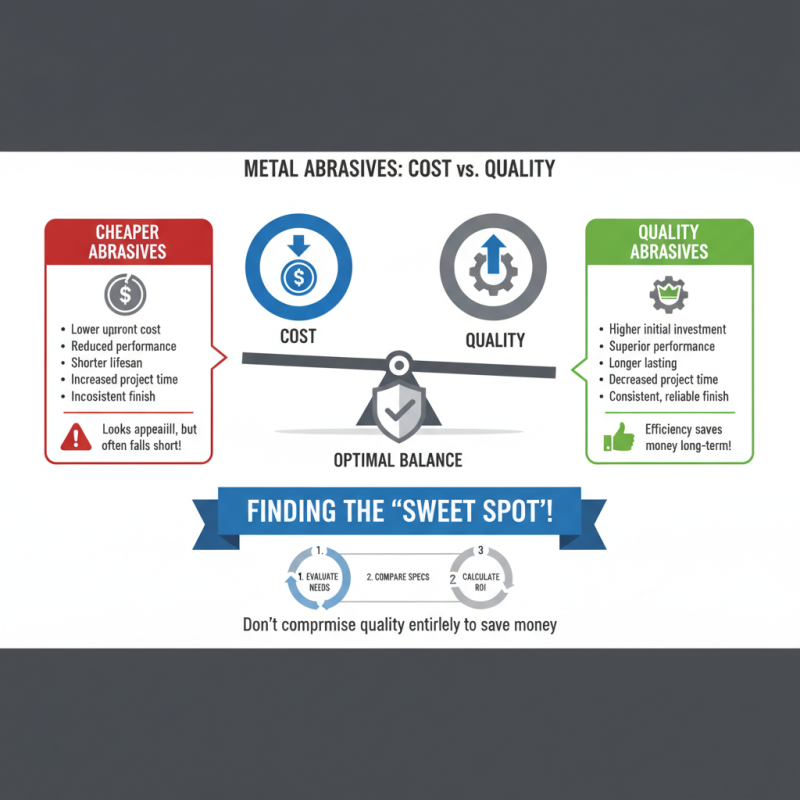
Durability is often overlooked. Abrasives can wear down quickly under heavy use. Some might lose effectiveness after just a few passes. It's vital to consider how long an abrasive will last. Investing in a higher quality option can pay off in the long run. Always prioritize options that align well with your project's demands and budget.
Metal Abrasives Tips for Choosing the Best Option
| Abrasive Type |
Grit Size |
Composition |
Durability |
Best Use Case |
| Alumina |
60 |
Aluminum Oxide |
High |
Metal Fabrication |
| Silicon Carbide |
80 |
Silicon Carbide |
Medium |
Glass & Ceramics |
| Garnet |
100 |
Garnet |
High |
Woodworking |
| Steel Shot |
12 |
Steel |
Very High |
Surface Preparation |
| Glass Bead |
40 |
Glass |
Medium |
Cleaning & Polishing |
Industry Standards and Certifications for Reliable Metal Abrasive Products
When selecting metal abrasives, industry standards and certifications play a crucial role. Products that meet established criteria ensure reliability and safety. According to a recent report by the Abrasive Manufacturers Association, over 70% of companies prefer abrasives with recognized certifications. This preference is due to measurable performance metrics, which assure users of product quality.
Tip: Always check for certifications like ISO 9001 or ANSI compliance. These standards guarantee a level of quality that can prevent costly mistakes.
Another essential factor is the compatibility of abrasives with specific materials. The right abrasive can significantly enhance productivity. Reports indicate that using the correct type can lead to a 25% reduction in operational costs. Many companies still struggle with this aspect. Finding a balance between cost and performance is challenging.
Tip: Evaluate your project requirements carefully. Consider the hardness of the materials you are working with. This careful assessment aids in choosing the best abrasive for your specific applications.
In an industry with various options, making informed decisions is vital. Purchasing decisions influenced by certifications can lead to better project outcomes. However, one must remain vigilant about evolving standards to avoid falling behind.
Metal Abrasives Performance Comparison