Why Stone Polishing Pads Are Essential for Achieving a Perfect Finish?
Achieving a perfect finish on stone surfaces is crucial in the construction and design industries. Stone polishing pads are essential tools for this task. According to a report by the International Journal of Stone Technology, improper polishing methods can lead to significant surface damage and increased costs. Renowned stone care expert, Michael Stone, emphasizes, “Using quality stone polishing pads is key to attaining the desired sheen without risking the stone's integrity.”
These pads come in various grits, each tailored for a specific stage in the polishing process. This diversity allows professionals to tackle different types of stones effectively. However, not all pads are created equal. Subpar products can leave scratches and dull spots, prompting the need for multiple re-polishing attempts. This can be frustrating and time-consuming.
The landscape of stone polishing is continually evolving. Professionals must stay informed about the latest advancements in polishing technology. In this context, the choice of stone polishing pads can either enhance or hinder the final outcome. It is a challenge that requires ongoing reflection and adaptation.
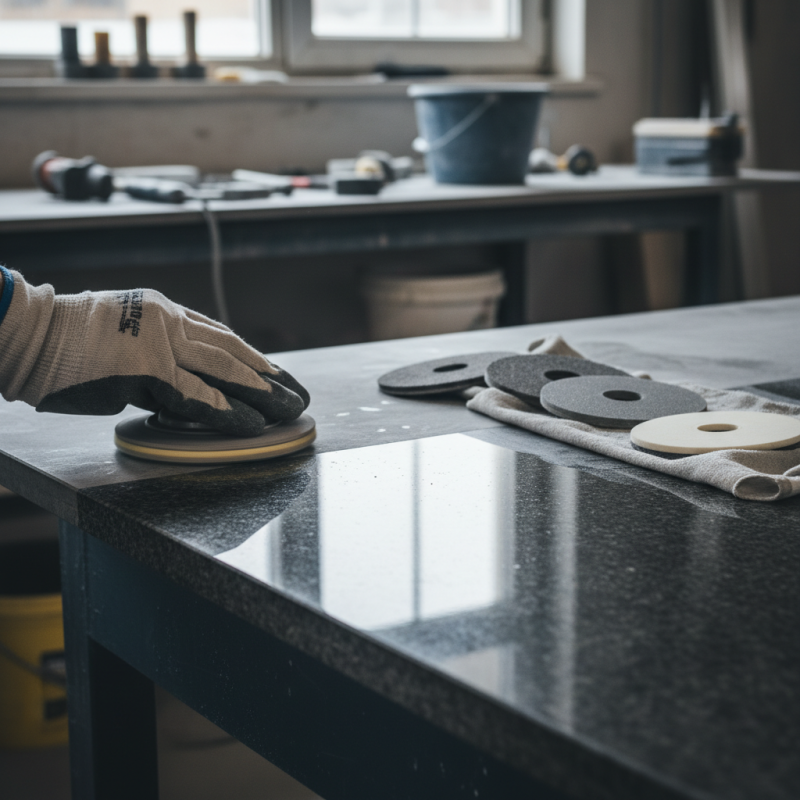
Understanding the Role of Stone Polishing Pads in Surface Finishing
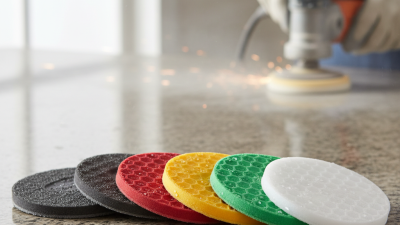
Polishing surfaces, especially stone, can be a demanding task. Stone polishing pads are crucial for achieving an exceptional finish. These pads come in various grits, each serving a unique purpose. The finer the grit, the smoother the surface. A basic understanding of their role can lead to better results.
Using the right pad is vital. For rough stone surfaces, start with a coarser pad. Progress to finer grits gradually. Skipping grits can lead to an uneven finish. Take time to assess each stage before moving on. Patience is key. The polishing process requires both diligence and mindfulness.
**Tips:** Always keep the stone surface clean. Any debris can mar the finish. Experiment with different pads to see which combination brings out the best shine. Remember that lighting plays a role in how you perceive the finish. Check under varying lights to ensure uniformity. Let your intuition guide you to achieve a polished result that reflects care and consideration.
Effectiveness of Different Grit Stone Polishing Pads
Types of Stone Polishing Pads and Their Unique Benefits
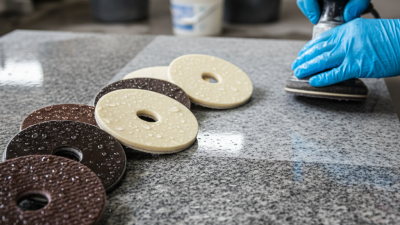
Stone polishing pads come in various types, each designed for specific tasks. Diamond pads are among the most popular. They are durable and effective for polishing hard surfaces. The fine grit allows for a smooth finish. Users often appreciate the quick results. However, they can wear down over time. It’s important to monitor their condition regularly.
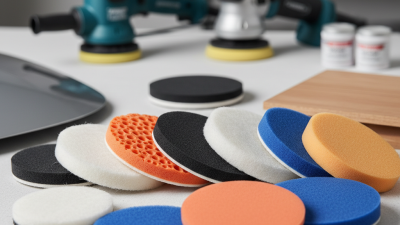
Sponge pads offer flexibility and are great for intricate designs. Their softer texture makes them ideal for delicate surfaces. They can mold to the contours of the stone, ensuring a consistent polish. But, they may not provide the same level of shine as diamond pads. It requires extra effort to achieve a perfect finish with them.
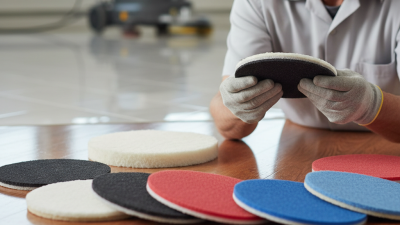
Felt pads are essential for final polishing. They provide a high gloss and can enhance the stone’s natural beauty. Yet, they can be prone to staining if not maintained properly. Users often overlook the cleaning process, which can lead to inconsistent results. Experimenting with different pads may yield various finishes. Finding the right one requires time and patience.
Why Stone Polishing Pads Are Essential for Achieving a Perfect Finish?
| Type of Pad |
Grit Level |
Material |
Unique Benefits |
| Diamond Polishing Pad |
50-3000 |
Diamond particles bonded |
Long-lasting, excellent for hard stones |
| Ceramic Polishing Pad |
800-3000 |
Ceramic composite |
Great for achieving a high-gloss finish |
| Resin Polishing Pad |
50-3000 |
Resin bonded material |
Ideal for marble and softer stones |
| Fiber Polishing Pad |
Non-grit |
Fiber material |
Perfect for final polishing, high durability |
The Process of Using Stone Polishing Pads for Ideal Results
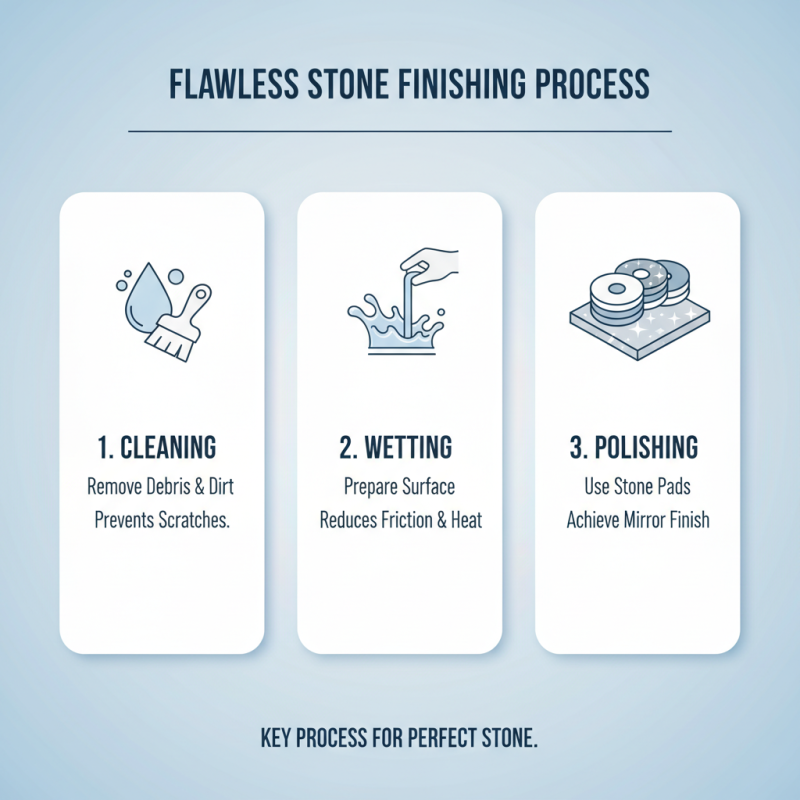
Using stone polishing pads is a key process for achieving a flawless finish on stone surfaces. Starting with a thorough cleaning of the stone is crucial. Debris can cause scratches during polishing. Wetting the surface prepares it for the pads, reducing friction and heat.
Selecting the right grit is essential. Starting with coarse pads may seem tempting for speed, but this can lead to uneven surfaces. Gradually moving through finer grits creates a smoother finish. Each pass reveals imperfections that need addressing. Sometimes, it feels frustrating to see flaws re-emerge.
Patience is vital. Each pad requires a specific technique to maximize results. Overlapping movements ensure even polishing. It's easy to rush, but that may yield unsatisfactory results. After completing the process, a gentle buffing can enhance shine. Be prepared to reassess your work. Sometimes, a perfect finish takes multiple attempts.
Common Mistakes to Avoid When Using Stone Polishing Pads
When using stone polishing pads, avoiding common mistakes can greatly enhance your results. One frequent error is applying too much pressure while polishing. This can create uneven surfaces and cause premature wear on the pads. Instead, use gentle, consistent pressure. It helps achieve a smoother finish without damaging the stone.
Another common oversight is neglecting to use the correct pad for the job. Different stones require different grit levels. Using a coarse pad on polished marble can leave scratches. Always check the material you are working with and select the appropriate pad. It may take longer, but patience pays off in quality.
Lastly, remember to clean the pads regularly during use. Dust and debris can accumulate, impacting performance. A quick rinse or wipe can help maintain effectiveness. Skipping this step may lead to a less-than-ideal outcome and unnecessary redo. Keeping these tips in mind can transform your stone polishing experience.
Maintaining Stone Polishing Pads for Longevity and Performance
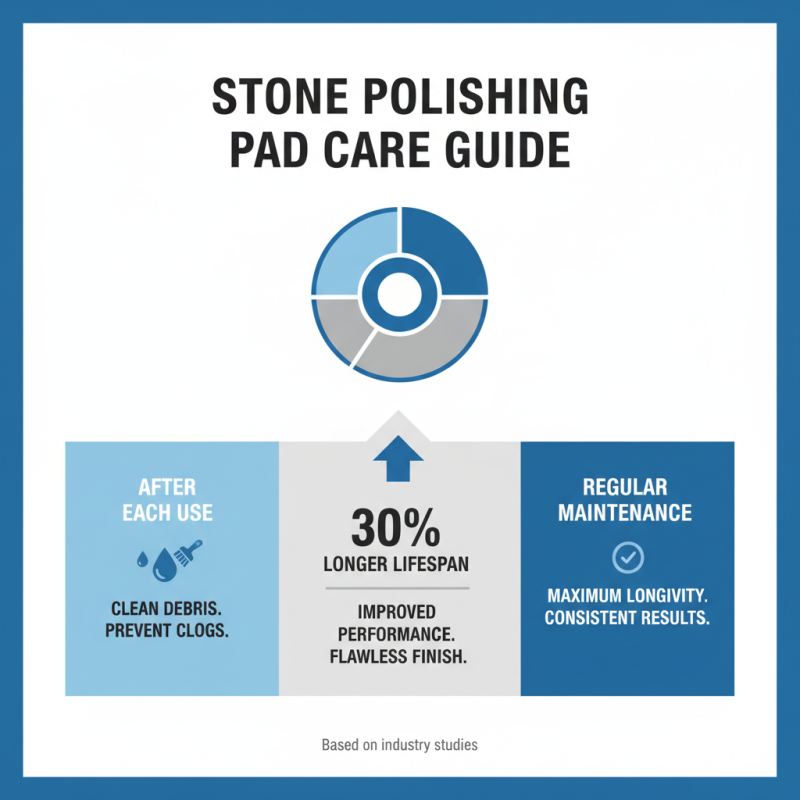
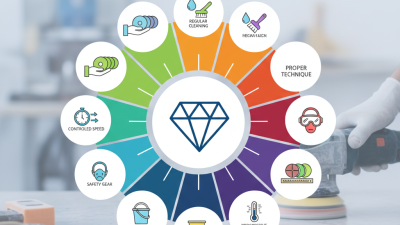
Proper maintenance of stone polishing pads is crucial for their longevity and performance. These pads are designed to create a flawless finish on stone surfaces. However, without regular care, their effectiveness diminishes. Studies show that well-maintained pads can last up to 30% longer than neglected ones. Cleaning them after each use is essential. This practice not only removes debris but also prevents clogs that can hinder performance.
Additionally, it's important to inspect pads frequently for signs of wear. Look for uneven surfaces or discoloration. A pad that shows these signs won't perform at its best. Research indicates that about 15% of polishing pads fail due to improper storage and usage. Keeping them in a cool, dry place extends their lifespan significantly. Regularly replacing worn-out pads is equally vital. Waiting too long can lead to unsatisfactory results and wasted time.
Remember, even the best polishing pads need care. Ignoring maintenance can lead to frustrating outcomes. Choosing to invest time in proper upkeep translates to better results in your polishing tasks. It's about creating a perfect finish, but it requires commitment and routine.