Essential Tips for Choosing the Best Diamond Polishing Pads?
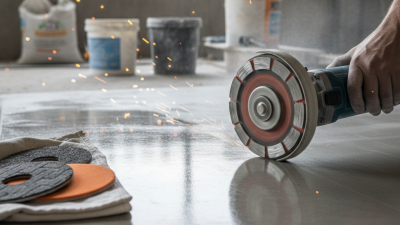
Choosing the right Diamond Polishing Pads is crucial for achieving optimal results in stone and concrete finishing. According to a recent industry report by Grand View Research, the global diamond tools market is projected to reach $5.6 billion by 2025. This growth is driven by the increasing demand for efficient surface finishing, particularly in construction and manufacturing sectors.
When selecting Diamond Polishing Pads, consider their grit levels and material compatibility. Different projects require specific pads for effective polishing and surface preparation. A study from TechSci Research indicates that using the right pads can enhance surface quality by up to 30%. However, not all pads perform equally; many users struggle with longevity and effectiveness, highlighting the importance of thorough research before purchasing.
Furthermore, the processes involved in using these pads can lead to challenges, such as excessive wear if mismatched with the application. Customers often face indecision due to the overwhelming variety available. Prioritizing quality over price can lead to better long-term results. By sharpening your focus on expert-recommended options, you ensure the best outcomes for any polishing job.
Understanding Diamond Polishing Pads: Types and Applications
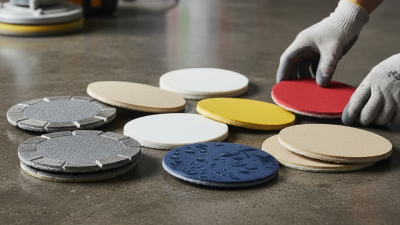
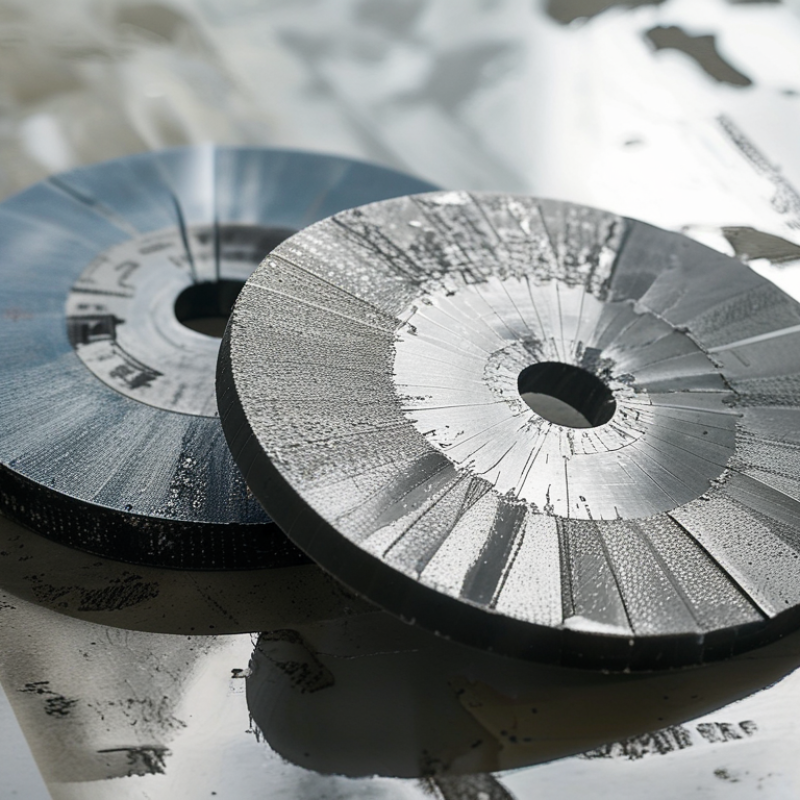
When selecting diamond polishing pads, understanding their types and applications is crucial. There are multiple types of diamond polishing pads, including resin bond, metal bond, and ceramic bond pads. Each type serves a specific purpose. Metal bond pads are ideal for initial grinding, while resin bond pads excel in the final polishing stage. According to industry reports, approximately 70% of professionals prefer resin bond pads due to their excellent finish on marble and granite surfaces.
There's more to consider beyond just types. The grit size of the pads significantly impacts the polishing process. Fine grits, typically between 2000 to 3000, provide a high-gloss finish. In contrast, coarser grits, such as 50 or 100, are best for heavy grinding. A study in the Journal of Materials Science noted that using the correct grit can improve surface quality by over 30%.
Choosing the right diamond polishing pads can be challenging. Users frequently face issues with pad durability and consistency. Many professionals report uneven wear, which can lead to wasted time and materials. Special attention should be given to the application method. Selecting the wrong type or size may not yield the expected results. It's essential to consult detailed resources and expert recommendations to ensure optimal performance during polishing tasks.
Essential Tips for Choosing the Best Diamond Polishing Pads
| Type |
Grit Size |
Material |
Best For |
Use Case |
| Wet Diamond Polishing Pad |
50-3000 |
Diamond/Resin |
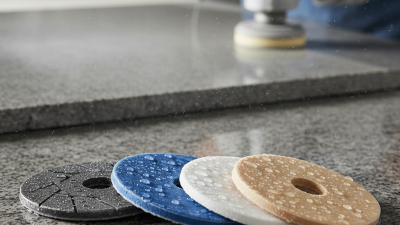
Marble, Granite |
Wet polishing applications |
| Dry Diamond Polishing Pad |
50-3000 |
Diamond/Resin |
Concrete, Stone |
Dry polishing applications |
| Floor Polishing Pad |
100-3000 |
Diamond/Solution |
VCT, Terrazzo |
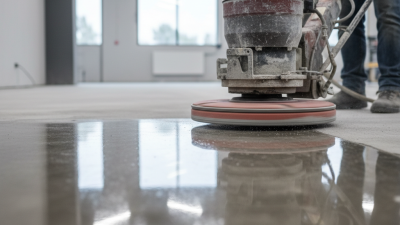
Large area floor polishing |
| Polishing Pads for Handheld Tools |
50-2000 |
Diamond/Resin |
Granite, Quartz |
Handheld tool application |
Key Factors to Consider When Selecting Diamond Polishing Pads
When selecting diamond polishing pads, several key factors must be evaluated. The grit size is crucial. Finer grits create a smoother finish, while coarser ones are better for removing material. Ideally, you should start with a coarse pad and progressively use finer ones to achieve a high-gloss shine. This transition can make a significant difference in your results.
The quality of the diamond material matters too. Pads made with high-quality diamonds deliver better performance and longevity. However, not all expensive pads are superior. Sometimes, less costly options perform surprisingly well. Always research the materials used in the pads for durability and effectiveness.
Compatibility with your polishing machine is essential. Different machines work better with specific pad types. Misalignment can lead to uneven surfaces and reduced efficiency. Adjust your approach based on machine specifications to improve results. It may take time to find the perfect match, but it’s worth the effort. Sometimes, trial and error is part of the learning process in honing your skills.
Essential Tips for Choosing the Best Diamond Polishing Pads
Assessing Grit Sizes for Optimal Polishing Performance
When choosing diamond polishing pads, grit size plays a crucial role in achieving optimal polishing results. Grit sizes determine how aggressive the pad is on the material being polished. Finer grits, typically ranging from 1000 to 3000, are used for the final polishing stages. They help in achieving a smooth, shiny finish. Coarser grits, on the other hand, usually between 50 and 400, are ideal for quick material removal and surface preparation.
Understanding the specific needs of your project is essential. A common mistake is using too fine of a grit at the beginning. This can lead to ineffective polishing and wasted effort. Proper assessment of the surface's condition can guide your grit selection. The right combination enhances efficiency and can save time and resources. A little confusion might occur, especially for beginners in the polishing process.
Trial and error can be beneficial, allowing you to find the right grit for your material. Not every grit size will work perfectly on each surface. Sometimes, a specific combination of grits yields the best results. Patience and practice are key here. It’s all about finding that perfect balance between removing imperfections and avoiding damage to the surface.
Evaluating Quality: Material and Durability of Polishing Pads
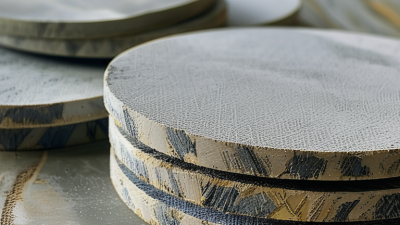
When selecting diamond polishing pads, evaluating their quality is crucial. The material used in these pads significantly impacts their durability and performance. Typically, diamond pads are made from resin or metal bonds. Resin pads are ideal for softer stones, while metal bonds excel at grinding harder materials. According to industry reports, high-quality resin pads can last up to 30% longer than lower-grade options, providing better cost efficiency over time.
Durability is another essential factor to consider. The composition of the diamonds and their distribution in the pad alters both lifespan and efficacy. Pads with a higher diamond concentration deliver faster results but may wear out quicker. An analysis by the International Diamond Association indicates that high-quality diamond pads can maintain their shape and effectiveness for up to 100 hours of use, depending on the application.
While choosing polishing pads, pay close attention to performance ratings. Not all pads perform equally under stress. Users often report uneven wear patterns, leading to inconsistencies in finishing. Engaging with professionals or reading firsthand accounts can provide useful insights. Always be cautious of flashy marketing claims—they can be misleading. Prioritize pads with verified user feedback and industry endorsements, ensuring you make a reliable choice.
Cost vs. Value: Making a Budget-Friendly Choice for Polishing Pads
When selecting diamond polishing pads, understanding the balance between cost and value is crucial. A recent industry report indicated that choosing the right pad can influence the overall finish quality by as much as 70%. While some pads may appear economical upfront, their longevity often falls short. This means more frequent replacements, ultimately increasing costs.
Quality pads typically last longer and produce superior results, making them a worthwhile investment. According to experts, investing an additional 15% in higher-quality pads can extend their lifespan by two to three times. This means that while the initial expense might be higher, the return on investment can be significant over time.
However, not all pads suit every project. Some tasks would benefit from budget options. It's important to analyze the specific polishing requirements before making a purchase. Many users report dissatisfaction with lower-priced pads, citing issues like poor durability and inconsistent results. Finding that balance takes research and consideration, allowing for smarter purchasing decisions in the long run.