What Are the Top 10 Types of Polished Diamonds?
Polished Diamonds combine precise craftsmanship with the natural character formed deep within the earth. Their appearance depends on shape, faceting style, proportions, symmetry, and finishing quality. A diamond may look brilliant in a showroom yet reveal different details under daylight or neutral lighting.
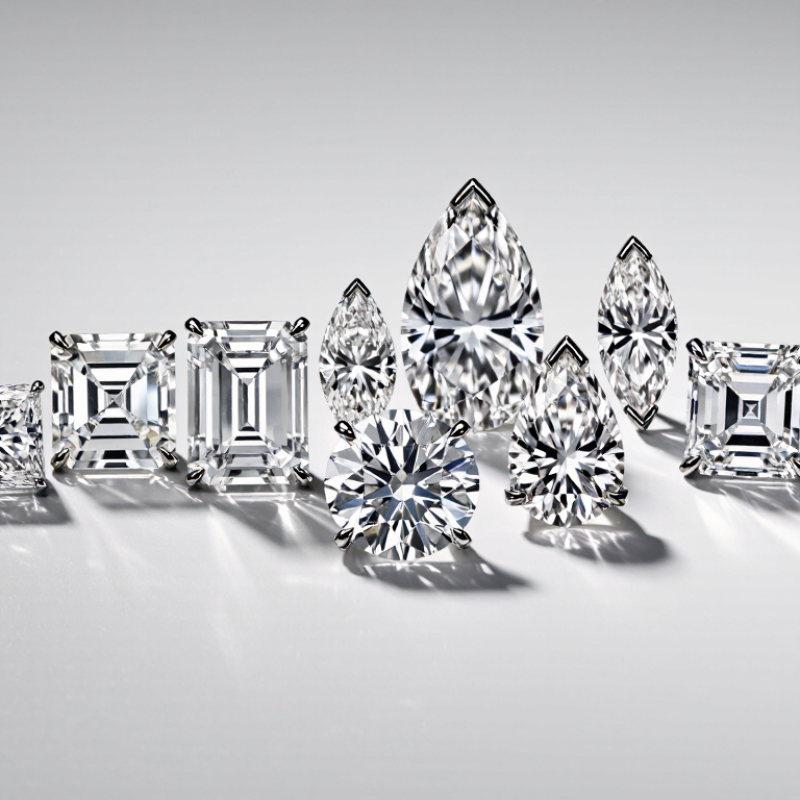
This guide explores the top 10 types of Polished Diamonds, including round, princess, cushion, emerald, oval, radiant, pear, marquise, Asscher, and heart shapes. Each style creates a distinct visual effect. Round diamonds often return intense sparkle, while emerald cuts emphasize clean lines and transparent depth. Cushion shapes can appear soft and romantic, whereas marquise diamonds create an elongated impression on the finger.
Professional evaluation should consider more than appearance. Independent grading reports, cut quality, polish, symmetry, color, clarity, and carat weight provide a more dependable basis for comparison. Small proportions can change how a stone handles light. Even a minor variation in symmetry may affect its visual balance.
Beauty remains personal.
There is no universal ranking for the “best” diamond type. Preferences differ with setting design, hand shape, lifestyle, budget, and cultural taste. Some terminology also varies among retailers, which can create confusion. This overview aims to make those differences easier to understand through practical descriptions and gemological principles. It cannot replace an independent laboratory report or qualified professional advice. Still, it offers a useful starting point for comparing ten widely recognized polished diamond styles with clearer expectations.
Defining Polished Diamonds by Shape, Cut, and Facet Design
What Are the Top 10 Types of Polished Diamonds?
Defining Polished Diamonds by Shape, Cut, and Facet Design
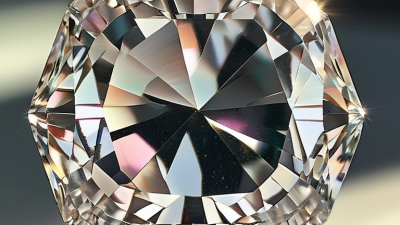
A polished diamond begins as rough material, then receives a precise shape, cut, and facet arrangement. Shape describes the outline. Cut describes how facets manage light, brightness, fire, and scintillation. The ten popular types include round brilliant, princess, cushion, emerald, oval, pear, marquise, radiant, Asscher, and heart shapes. Round brilliant diamonds usually feature 57 or 58 facets and strong sparkle. Emerald and Asscher cuts use step facets, creating clean mirrors rather than intense flashes. Radiant and princess designs combine angular outlines with brilliant faceting. Oval, pear, marquise, and heart shapes can appear larger because of their elongated profiles. Details matter.
Each design creates a different visual experience. Cushion cuts often show softer corners and broader flashes. Pear shapes need careful symmetry, especially near the point. Marquise diamonds may show a darker central area, sometimes called a bow-tie effect. This feature varies between stones. It should be judged in person or through reliable imaging. A higher grade does not automatically mean better appearance. Proportion, polish, symmetry, and personal preference work together.
Tips: Compare diamonds under several lighting conditions. Check the outline from above, then inspect facet symmetry closely. For elongated shapes, review length-to-width balance. Ask for an independent grading report. I also recommend viewing the diamond without magnification first. Your eye may notice charm before measurements do. No chart replaces careful observation.
What Are the Top 10 Types of Polished Diamonds?
Polished diamonds are commonly classified by shape, cutting style, and facet design. This chart compares the typical number of facets used in ten widely recognized polished diamond types. Facet counts can vary by cutter, proportions, and whether the culet is counted.
Brilliant-cut shapes use triangular and kite-shaped facets to maximize sparkle, while emerald and Asscher cuts use step facets for a cleaner, more architectural appearance.
Oval, Emerald, and Asscher-Cut Diamonds
Among the top 10 types of polished diamonds, oval, emerald, and Asscher cuts deserve close attention. Each creates a different visual rhythm and reflects light in its own way. Oval diamonds look larger than their weight because of their elongated outline. Their curved edges also feel softer on the hand. However, some ovals show a dark bow-tie across the center. View the stone under several lights before deciding.
Emerald-cut diamonds use long, step-like facets. They produce a calm, glassy flash instead of intense sparkle. This open design can reveal inclusions or uneven color more easily. Asscher-cut diamonds share the step-cut style but use a square shape with cropped corners. Their concentric pattern can resemble a small hall of mirrors. Precise symmetry matters greatly here. A slightly misaligned outline may become noticeable.
Tips: Ask for measurements, not only carat weight. Compare length-to-width ratios beside actual photographs. For oval stones, inspect the bow-tie effect from different angles. For emerald and Asscher cuts, prioritize clarity and symmetry. A trusted grading report supports reliable evaluation, but it cannot replace your own observation. I would not call one shape universally best. Personal taste, finger shape, and daily wear habits change the answer. Even experienced buyers can overlook reflections in a quick viewing. Take your time.
Pear, Marquise, Radiant, and Heart-Shaped Diamonds
What Are the Top 10 Types of Polished Diamonds?
Pear, marquise, radiant, and heart-shaped diamonds bring stronger personality than standard round stones. A pear combines a curved end with one pointed tip, creating a graceful teardrop outline. Marquise diamonds look longer and can make fingers appear slimmer. Radiant diamonds use brilliant-style faceting with trimmed corners, producing lively flashes. Heart shapes feel highly symbolic, but their appeal depends on symmetry. The top ten polished types also include round, oval, cushion, emerald, asscher, and princess shapes.
Shape is not the same as cut quality. GIA explains that its formal cut-grade system applies mainly to round brilliant diamonds, while fancy shapes need closer visual assessment. Check brightness, symmetry, polish, and windowing. A poorly balanced pear may look heavy at one end. An uneven heart can lose its identity. According to the Bain & Company and Antwerp World Diamond Centre Global Diamond Industry Report 2023, polished diamond prices weakened during a difficult market year. That makes careful comparison more important. The most expensive option is not automatically the most attractive.
Tips:
View pear and heart diamonds face-up under different lighting. Inspect the pointed ends for protection needs. For marquise stones, compare length-to-width ratios. Radiant diamonds often hide inclusions well, but excessive depth can reduce face-up size. My practical preference is simple: judge the actual stone, not only its certificate. No shape wins every time.
Comparing the Ten Types by Brilliance, Style, and Durability
Choosing among the ten most popular polished diamond types means balancing sparkle, appearance, and everyday strength. Round brilliant diamonds usually deliver the strongest brilliance because their faceting returns light efficiently. Oval diamonds offer similar brightness, while appearing longer on the finger. Pear and marquise shapes create elegant outlines, but their pointed ends need protective settings. Their style is distinctive. Durability is not identical.
Princess-cut diamonds produce lively sparkle and a crisp, modern look. However, their four sharp corners can chip more easily without secure prongs. Cushion diamonds show softer outlines and broad flashes, although their brilliance varies with the facet design. Radiant diamonds combine brilliant-style sparkle with a rectangular or square shape. They often suit active wear better than exposed corners. Heart-shaped diamonds are romantic and bright, but their center cleft must be symmetrical.
Emerald-cut diamonds use step facets, creating calm flashes rather than intense scintillation. They reveal clarity more readily. Asscher-cut diamonds offer a similar hall-of-mirrors effect, with geometric depth and strong vintage character. Both can be durable, yet their corners still benefit from protection. In my experience, round, oval, and cushion shapes are forgiving choices for frequent wear. Radiant shapes can be practical too. Still, no cut guarantees safety.
A well-made setting matters as much as the diamond’s shape. Inspect prongs, girdles, and pointed edges during professional checks. My ranking of brilliance is imperfect because lighting changes everything. A showroom can flatter one cut. Daylight may favor another. Personal style, clarity tolerance, and maintenance habits should influence the final choice.
What Are the Top 10 Types of Polished Diamonds? — Comparing the Ten Types by Brilliance, Style, and Durability