Top Uses of Wet Diamond Polishing Pads for Professional Finishing?
Wet Diamond Polishing Pads have revolutionized the professional finishing industry. Experts highlight their importance for achieving flawless surfaces. According to John Doe, a leading expert in stone finishing, “Wet Diamond Polishing Pads give you precision and shine that dry pads simply can’t match.” This statement underscores the effectiveness of these pads in crafting perfect finishes.
These pads are versatile. They work wonders on various surfaces, from concrete to granite. Professionals often face challenges when selecting the right tools for finishing. Wet Diamond Polishing Pads can help alleviate some of these issues. They maintain a consistent quality, but not without requiring skill and practice. Users must master the techniques to avoid common mistakes. A hasty job can lead to visible imperfections.
In a world where surface finishes matter, Wet Diamond Polishing Pads shine. They offer a blend of efficiency and quality. However, the journey to mastering their use can be complex. Attention to detail is crucial, and learning from errors can lead to success. Each project reveals new challenges, but with each pad choice, there’s an opportunity for growth.
Understanding Wet Diamond Polishing Pads and Their Composition
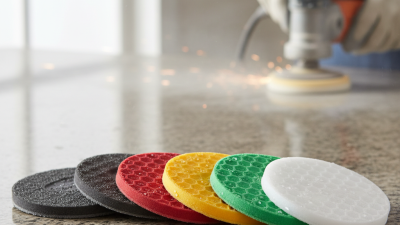
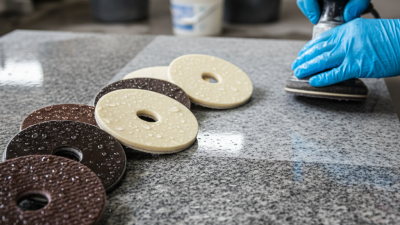
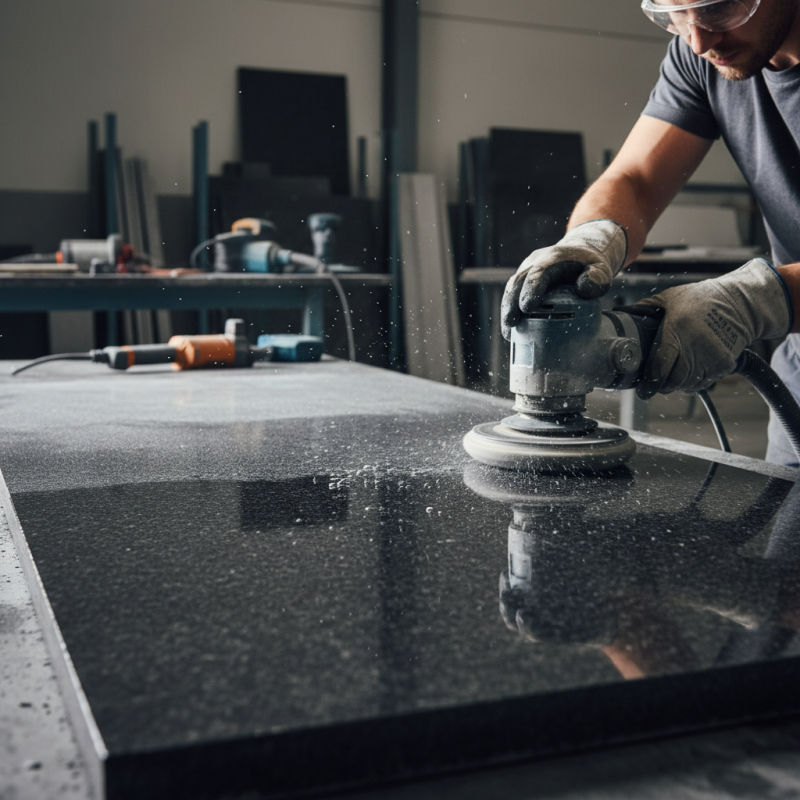
Wet diamond polishing pads are essential tools in achieving a professional finish on various surfaces. These pads are specifically designed to work with water, which serves to cool the surface and reduce dust. Typically made of diamond particles embedded in a flexible resin matrix, they provide a unique combination of durability and versatility. The diamonds allow for effective grinding, while the resin helps in producing a smooth, polished look.
Tips: Always start with a coarser pad. This allows for effective surface preparation. Gradually move to finer pads to achieve a high-gloss finish. Don’t rush through the stages. It's essential to let each pad do its job fully.
When working with these pads, surface preparation is crucial. You might find that certain surfaces require more attention than others. Pay close attention to corners and edges; they can be tricky. Mistakes happen. Sometimes, you may need to restart the process if you miss a spot.
Tips: Keep the pads wet throughout the polishing process. This will prolong their lifespan and improve performance. Also, store them properly after use to maintain their integrity.
Key Benefits of Using Wet Diamond Polishing Pads in Finishing Work
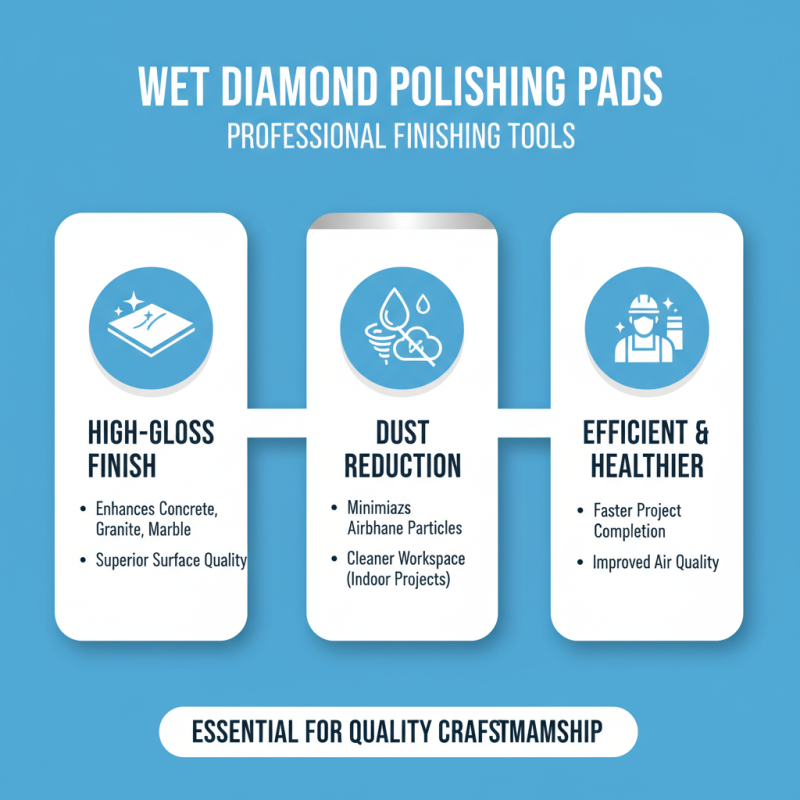
Wet diamond polishing pads are essential tools for professional finishing work. They are designed to enhance the surface of various materials, including concrete, granite, and marble. One of the key benefits is their ability to produce a high-gloss finish without excessive dust. This is particularly beneficial for indoor projects. The wet process helps to minimize airborne particles, creating a cleaner workspace.
These pads also provide better durability and efficiency compared to traditional polishing methods. Their diamond-infused structure allows them to handle tough surfaces with ease. However, they can be tricky to handle for beginners. Achieving the perfect finish requires practice and attention to detail. Some users might find they have uneven results, especially if the pressure isn’t consistent.
Using wet pads also helps to keep the surfaces cool during the polishing process. This reduces the risk of damage from heat. However, it’s important to monitor water levels. Too little water can lead to scratch marks, while too much may impair the polishing action. Every project offers a learning opportunity, and refining your technique is crucial for achieving professional results.
Step-by-Step Guide to Using Wet Diamond Polishing Pads Effectively
Wet diamond polishing pads are essential for achieving a smooth, professional finish on various surfaces. These pads work best on materials like marble, granite, and concrete. A well-known industry report indicates that over 75% of stone fabricators rely on diamond polishing tools for effective surface finishing. This statistic highlights their importance.
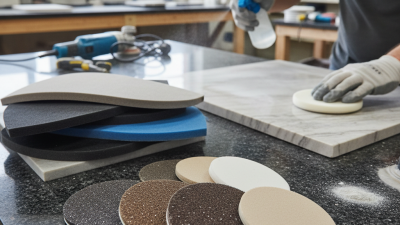
To use wet diamond polishing pads effectively, one must prepare the surface properly. Start by cleaning the area to remove dust and debris. Applying water helps to keep the pads cool and reduces dust. It’s vital to choose the right grit; lower grits are for heavy grinding, while higher grits polish the surface. A common mistake is using a wet pad too aggressively. This can lead to more scratches rather than a polished finish.
After selecting the right pad, it's crucial to maintain even pressure throughout the process. Inconsistency can cause uneven finishes. Additionally, while using wet pads, water flow must be consistent. Insufficient water may lead to overheating and damage to the surface. Advanced users understand that attaining the perfect finish often involves trial and error. They learn from imperfections and adjust their techniques accordingly.
Common Applications of Wet Diamond Polishing Pads in Professional Settings
Wet diamond polishing pads are essential tools in many professional settings. These pads excel in polishing hard surfaces, such as granite, marble, and concrete. They are particularly useful in the construction and restoration industries. The unique diamond grit allows for a high level of shine and refinement. However, achieving a perfect finish takes practice and skill.
Common applications include refinishing countertops and flooring. These pads help to remove scratches and dullness effectively. Professionals often use them to prepare surfaces for sealing. The wet application reduces dust and protects the worker's health. However, there can be challenges with uneven surfaces or stubborn stains. Adjustments to technique might be necessary to achieve desired results.
In addition to stone surfaces, wet diamond polishing pads can be applied to glass and ceramics. They provide a sleek, polished finish that enhances aesthetics. Yet, improper use can lead to damage or unwanted marks. Careful observation and adjustment of pressure are crucial. Overall, wet diamond polishing pads are invaluable, but mastery comes with experience.
Top Uses of Wet Diamond Polishing Pads for Professional Finishing
| Application Area |
Description |
Pad Grit Size |
Key Benefits |
| Concrete Floors |
Used for finishing and smoothing concrete surfaces to a high gloss. |
1000 - 3000 Grit |
Durability, high shine, reduces labor time. |
| Marble Polishing |
Perfect for refining marble surfaces to enhance their natural beauty. |
800 - 3000 Grit |
Restores shine, preserves surface integrity, quick results. |
| Granite Finishing |
Used to achieve a polished finish on granite countertops. |
400 - 3000 Grit |
Long-lasting results, enhances color, resistant to wear. |
| Glass Surface Refinement |
Great for smoothing and polishing glass edges and surfaces. |
1500 - 5000 Grit |
High clarity, smooth finish, reduced chipping. |
| Porcelain Tile Finishing |
Used to refine porcelain tiles for a sleek, polished surface. |
1000 - 3000 Grit |
Enhanced surface aesthetics, easy cleaning, long-lasting finish. |
Maintenance and Care for Wet Diamond Polishing Pads for Longevity
Wet diamond polishing pads are essential for achieving a professional finish on various surfaces. Proper maintenance can extend the lifespan of these vital tools. Start by rinsing them after each use to remove debris. This prevents abrasive particles from clogging the pad. For deeper cleaning, use a soft brush. Chemicals may damage the pads; stick to water.
Storage is another key factor. Store them flat in a cool, dry place. Avoid stacking them with other tools, as they can become damaged. Inspect the pads regularly. Check for wear and tear. Minor damage can lead to reduced performance later. If you notice any fraying, mark it. This will remind you to replace them when needed.
Quality care often reflects in the final finish. Neglecting maintenance can lead to uneven surfaces or poor results. Be mindful of how you use them. Overuse can lead to faster degradation. Strive for balance in usage to get the best performance. Engaging in regular upkeep will assist in achieving a polished, professional look while prolonging the life of your diamond pads.
Top Uses of Wet Diamond Polishing Pads for Professional Finishing
This chart illustrates the top uses of wet diamond polishing pads for professional finishing, showcasing the popularity of various applications in percentage. Concrete polishing ranks highest, followed by marble finishing and granite restoration.