How to Choose the Best Diamond Pads for Your Needs?
Choosing the right Diamond Pads can significantly impact your project results. According to John Smith, a leading expert in the diamond tools industry, “Understanding your needs is key to selecting the right Diamond Pads.” His insight highlights the importance of making informed choices.
When selecting Diamond Pads, consider the surface you’ll be working on. Different surfaces require different levels of grit and pad hardness. Not all Diamond Pads are created equal, and it’s crucial to recognize the right fit for your needs. A common mistake is assuming that a higher grit number always equates to better results. It doesn’t.
Additionally, the durability of Diamond Pads varies. The longevity of a pad can depend on the brand and the specific application. You might want to reflect on your past experiences. Did a particular pad wear out too quickly? Understanding these details will help in making a better choice next time.
Understanding Different Types of Diamond Pads Available on the Market
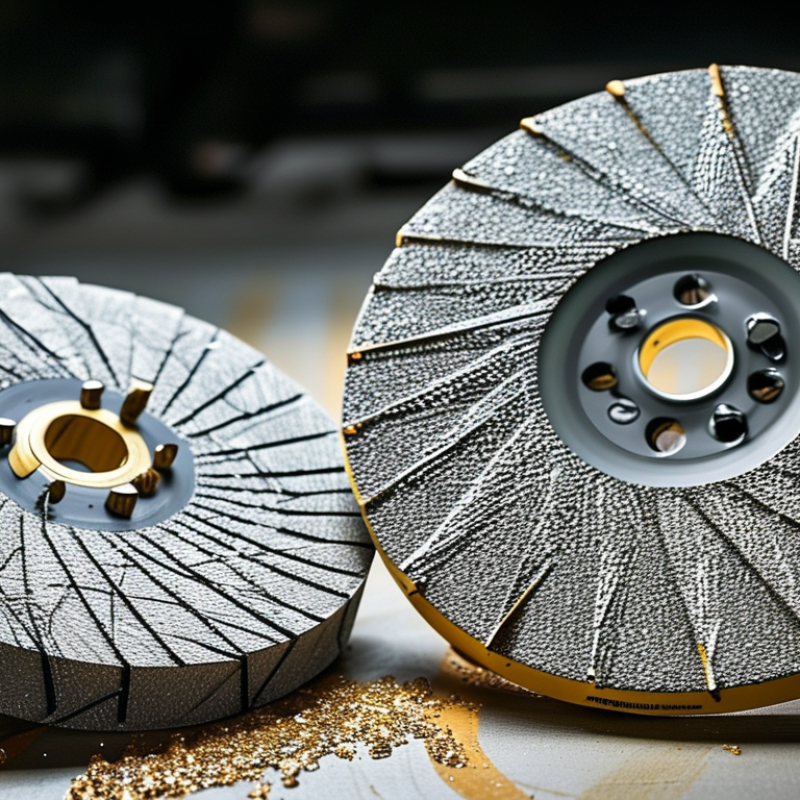
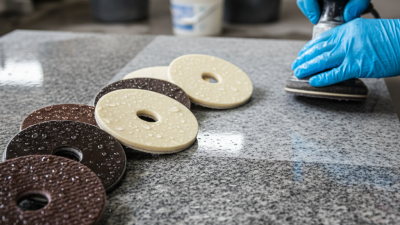
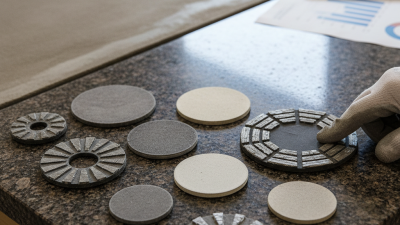
When it comes to diamond pads, understanding their various types is crucial for effective use. Different diamond pads serve unique purposes. Some are designed for grinding, while others excel at polishing. Each pad varies in grit and size, impacting performance. For example, coarse grit pads remove material quickly but may leave scratches. Fine grit pads create a smooth finish, perfect for final touches.
Choosing the right pad depends on your project needs. Consider the material you are working with. Hard surfaces like concrete may require thicker, more durable pads. Softer materials, such as wood or stone, often benefit from finer, softer pads. Testing a few options can lead to better results.
Lastly, pay attention to durability. Not all pads last the same duration. Some may wear out quickly, which can be frustrating and costly. It's important to reflect on past experiences and adjust your selection based on what has worked best. The right diamond pads can make a significant difference in achieving your desired finish. Being informed reduces the trial and error process, allowing for more efficient working methods.
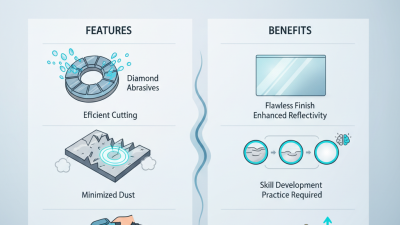
Comparison of Different Types of Diamond Pads
Evaluating Your Specific Needs and Applications for Diamond Pads
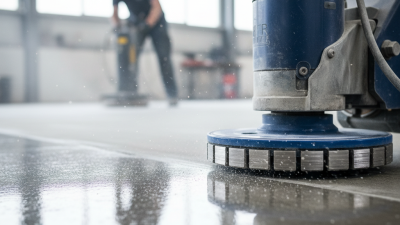
When evaluating specific needs for diamond pads, consider your application carefully. Different projects require different abrasives. According to industry reports, most professionals prefer diamond pads for their durability and efficiency. They are ideal for grinding, polishing, and maintaining various surfaces, including concrete and stone.
For example, a report by the National Floor Safety Institute highlights that diamond pads vary in grit sizes. Finer grits (above 200) are suitable for polishing, while coarser grits (below 100) work well for aggressive grinding tasks. This variability allows users to adapt to their specific material requirements.
Tips: Always assess the surface you’ll be working on before choosing a pad. Perform a test run on a small area to gauge effectiveness. Remember, not every grit suits every task perfectly; each project may require adjustments. Consider your equipment compatibility, as some pads fit specific machines better than others.
Factors to Consider When Choosing Diamond Pads for Your Projects
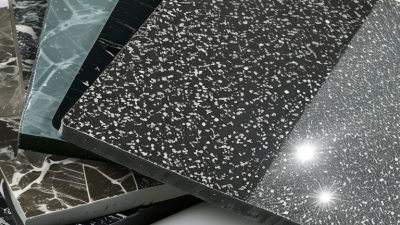
When choosing diamond pads for your projects, consider the material of your surface. Different surfaces like concrete, granite, or marble require specific diamond pads. If you use the wrong pad, it could damage your project instead of enhancing it. One must also think about the grit size. Finer grits polish, while coarser grits are for heavy material removal. Match the grit to your task.
The type of work you are doing is important. For heavy-duty grinding, choose pads designed for tough jobs. For light polishing, select softer pads. Test a few options to see what feels right. Pay attention to how the pads wear over time. Some may degrade quickly, while others last longer. This information will help you make a wise choice.
Understanding the design of the pad is crucial, too. Some have a velcro back, while others may be adhesive. This affects how easy they are to use. A pad that doesn't stick well can lead to frustration during work. Flexibility is another factor. Some pads conform better to uneven surfaces. Consider these aspects closely to avoid common pitfalls. Your choice directly impacts the quality of your work.
Comparing Quality and Durability of Various Diamond Pad Brands
When selecting diamond pads, quality and durability are paramount. Diamond pads vary greatly across different brands. Some pads may provide a superior finish that enhances the overall look of your surface. In contrast, others might wear down too quickly, leading to repetitive costs and lost time.
Tips: Always look for user reviews. They offer real insights into durability. Check for feedback on how long pads retain their effectiveness.
It's crucial to consider the specific materials you'll be working with. Some pads are better suited for concrete, while others excel with softer surfaces. This mismatch can lead to poor results. If you're unsure, testing a small area first can prevent larger issues.
Tips: Never hesitate to ask professionals for their experiences. Their insights can guide your choices. A pad that works well for one project might not be ideal for another.
Tips for Proper Maintenance and Usage of Diamond Pads
Proper maintenance and usage of diamond pads is crucial for achieving optimal results. Always clean the pads after each use. This prevents dust and debris from clogging the diamond particles. Use a soft brush or cloth to remove any residue. If you notice a significant buildup, consider soaking the pads in warm, soapy water. Rinse thoroughly and let them air dry completely before storing.
To maximize the life of your diamond pads, avoid excessive pressure during usage. Applying too much force can wear down the diamonds prematurely. Use a consistent, moderate pressure instead. It’s also important to choose the right grit for your task. Finer grits are great for polishing, while coarser grits are best for grinding. Experiment to find what works best for your specific projects.
Lastly, consider the surface you are working on. Wet or dry conditions will influence how the pads perform. Sometimes, you might find your results are not what you expected. This is a learning opportunity. Analyze what you could adjust next time. Keeping a detailed log of your usage can provide insights over time.