2026 How to Choose the Right Metal Abrasives for Your Needs?
Choosing the right metal abrasives for your needs can be a daunting task. Expert John Thompson, a well-known figure in the metalworking industry, once said, “Selecting the proper abrasive is crucial for achieving optimal results.” This statement emphasizes the importance of understanding the diverse options available.
Metal abrasives come in various types, each suited for specific applications. Understanding the application helps in making the right choice. There are metallic, non-metallic, and synthetic options. Each type presents unique benefits that can affect performance and durability. Many struggle with assessing which abrasive aligns with their project demands.
It is essential to consider both the material being worked on and the desired finish. Common mistakes include overestimating the power of more aggressive abrasives or underestimating their potential damage. Reflecting on these factors ensures that one does not end up using the wrong abrasive. The right choice can save time and resources while ensuring top-quality results.
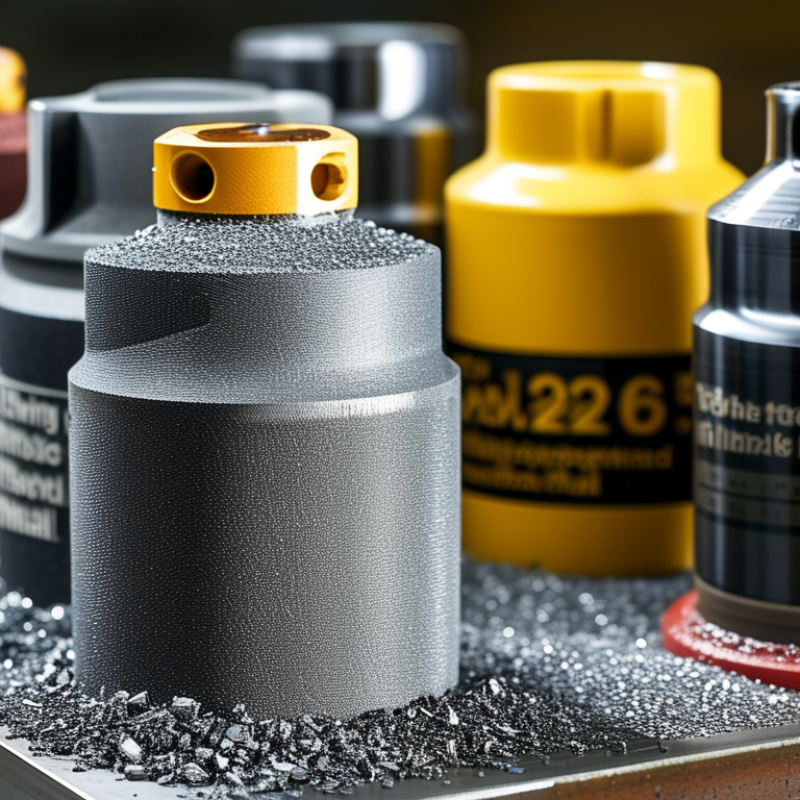
Understanding the Importance of Selecting the Right Metal Abrasives
Choosing the right metal abrasives is crucial for achieving optimal results in various applications. Selecting the wrong type can lead to inefficient performance and increased costs. A report by the International Abrasives Association indicates that using the correct abrasive can enhance productivity by up to 30%. This highlights the significance of understanding your specific needs.
When selecting metal abrasives, consider the material you'll be working with. Different metals require distinct abrasive qualities. For instance, aluminum tends to require softer abrasives to avoid damage. Conversely, harder metals like stainless steel benefit from tougher abrasives, ensuring longevity and effectiveness. Understanding these materials contributes to better efficiency and cost-effectiveness.
Another essential factor is the size and shape of the abrasive particles. Finer particles provide a smoother finish but may take longer to remove material. Coarser particles, on the other hand, expedite material removal but can leave a rough surface. Balancing these aspects according to your project's requirements is key.
Reflecting on these factors can prevent wasted resources. Prioritize quality over quantity to ensure you make the best choice for your work. Research and consulting reliable sources can provide valuable insights, leading to better decision-making in abrasive selection.
Types of Metal Abrasives and Their Specific Applications in Industries
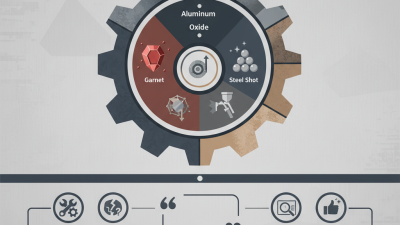
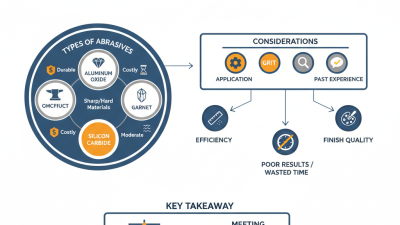
When choosing metal abrasives, understanding the types available is crucial. Each type serves specific applications across various industries. For instance, aluminum oxide is widely used in metalworking for its durability. According to a market analysis by Global Industry Analysts, the aluminum oxide abrasives market is projected to reach over $3 billion by 2026, showcasing its growing importance.
Silicon carbide abrasives are another popular choice. They are ideal for hard materials like glass and ceramics. These abrasives are sharp and break down quickly, often leading to inefficiencies if not used properly. A study by Research and Markets indicates that the demand for silicon carbide abrasives is set to increase due to their effectiveness in high-performance applications.
Understanding the specific needs of your industry can guide your selection. Some professionals may gravitate towards garnet abrasives for their environmental benefits and moderate cost. While effective, they can also wear down faster than synthetic alternatives. In contrast, ceramic abrasives boast superior life span but come with higher price points. Balancing performance and cost-effectiveness is key to optimizing production processes. Consider your specific applications carefully.
2026 How to Choose the Right Metal Abrasives for Your Needs? - Types of Metal Abrasives and Their Specific Applications in Industries
| Type of Metal Abrasive |
Material |
Typical Applications |
Advantages |
| Alumina Oxide |
Aluminum Oxide |
Metal fabrication, automotive industry, grinding |
Durable, effective on hard metals |
| Silicon Carbide |
Silicon Carbide |
Glass, ceramics, stone, and hard metals |
Fast cutting, ideal for brittle materials |
| Garnet |
Garnet mineral |
Waterjet cutting, sanding |
Environmentally friendly, low dust |
| Steel Shot |
Steel |
Surface preparation, peening |
Cost-effective, reusable |
| Plastic Abrasives |
Plastic composite |
Finishing surfaces, delicate applications |
Gentle on surfaces, reduces damage |
Factors to Consider: Material Composition, Size, and Hardness of Abrasives
Choosing the right metal abrasives can be challenging. Material composition plays a crucial role. Abrasives made from different materials offer distinct properties. Some materials are more aggressive and can quickly remove metal, while others are gentler and suitable for finer finishes. It is vital to match the abrasive's material with the specific metal you're working on. This ensures effective performance and prolongs tool life.
Size is another important factor. The grain size of the abrasive affects how it interacts with the surface. Fine abrasives are ideal for delicate tasks. Conversely, coarse abrasives excel in heavy material removal. Depending on your project's needs, you may need a range of sizes. Experimenting with different sizes can provide insights into what works best for your applications.
Hardness should not be overlooked. Abrasive hardness determines how well it can perform under pressure. A harder abrasive typically lasts longer but may also cause damage to softer materials. Understanding the hardness scale can help you make informed choices. Remember, even experienced users sometimes struggle with these aspects. A reflective approach is key to finding the right balance for your needs.
Evaluating Performance: Efficiency and Cost-Effectiveness of Abrasive Options
When selecting metal abrasives, evaluating efficiency and cost-effectiveness is crucial. Studies show that the right choice of abrasives can reduce material waste by up to 25%. This translates into a significant decrease in operating costs. For example, abrasive grains like aluminum oxide and silicon carbide often outperform others in terms of longevity. They can last 50% longer, ensuring fewer replacements and overall reduced expenditure.
It's essential to consider the specific application needs. Some abrasives perform well under high-pressure conditions. Others are preferable for delicate tasks. A recent industry report indicated that using the wrong abrasive can lead to over 30% inefficiency in the machining process. This inefficiency can stem from excessive wear or even damage to the workpiece.
Selecting the right abrasives also involves weighing their performance against cost. A more affordable abrasive may cut initial costs, but could lead to increased long-term expenses. An abrasive that lasts longer, even at a higher initial price, might ultimately be the wiser investment. In practice, continuous assessment of both performance metrics and cost variables is necessary for optimal savings and efficiency.
2026 Metal Abrasives Performance Evaluation
Safety Standards and Best Practices for Using Metal Abrasives in Workplaces
When using metal abrasives in the workplace, safety standards are paramount. Employers must educate employees on proper handling techniques. Start by ensuring personnel wear appropriate personal protective equipment (PPE). This equipment includes gloves, goggles, and respiratory protection to minimize exposure to harmful particles. Workers should also be trained to recognize hazards associated with metal abrasives, such as dust inhalation and skin irritation.
Creating a clean workspace is crucial in maintaining safety. Regularly manage waste materials, as these can lead to slip and trip hazards. Ensure machines are equipped with proper ventilation systems. Employees should know how to operate equipment safely and perform regular maintenance checks. It’s essential to foster a culture of safety where workers feel comfortable reporting unsafe conditions.
Furthermore, reviewing safety protocols and compliance with regulations should be a routine practice. This reflects an organization's commitment to workplace safety. Occasionally, gaps in procedures may arise. Organizations must address these issues promptly. Regular training sessions and updates can help maintain high safety standards. Ultimately, a proactive approach to safety can significantly reduce the risks associated with metal abrasive usage.