What is Metal Abrasives and How to Choose the Best Options?
Metal abrasives play a crucial role in various industries. These materials are used for surface finishing, polishing, and grinding metal components. Selecting the right metal abrasives is essential for achieving desired results. The right choice impacts efficiency, effectiveness, and the finished product's quality.
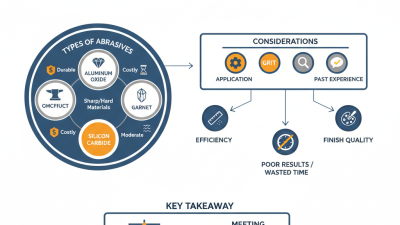
Understanding the different types of metal abrasives is vital. They vary in compositions, shapes, and sizes. Each type serves specific purposes. For instance, aluminum oxide suits tougher surfaces, while silicon carbide works better on softer materials. This diversity can make decision-making challenging.
Choosing metal abrasives often demands careful consideration. Factors like grit size and bonding methods significantly influence performance. It is easy to overlook these details. Consequently, improper selection could lead to subpar results. Therefore, gaining knowledge of each option enhances decision-making. In an ever-evolving market, staying informed is crucial to maintaining quality standards.
Understanding Metal Abrasives: Definition and Types
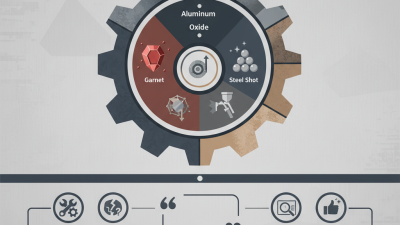
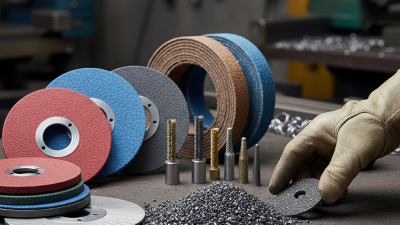
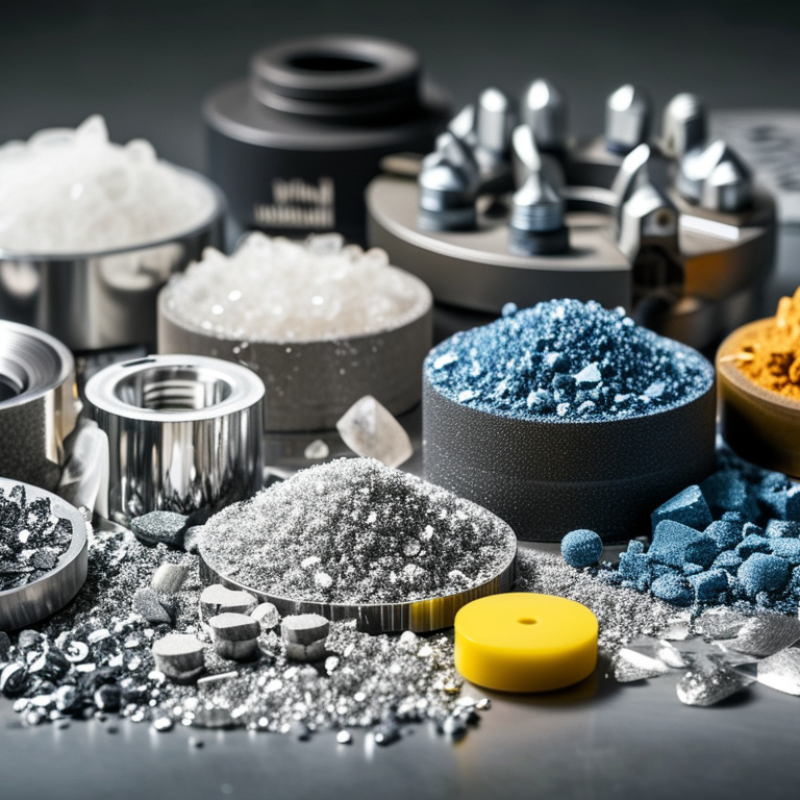
Metal abrasives are crucial in various industries. They refer to materials used to grind, polish, or finish surfaces. Understanding them requires knowledge about their types and applications. Typically, metal abrasives include steel grit, shot, and aluminum oxide. Each type serves different purposes in machining and surface preparation.
Steel grit is robust and ideal for heavy metal cleaning. It's often used for abrasive blasting and surface preparation. On the other hand, aluminum oxide is known for its durability and versatility. It’s perfect for producing a high-quality finish. When choosing between these options, consider the specific task at hand. Factors such as substrate material and desired surface finish should guide your decision.
Selecting the right abrasive can be tricky. The performance varies based on the material and technique chosen. For instance, too aggressive abrasives might damage softer metals. Conversely, using a too fine abrasive might not achieve the desired outcome. Testing different options is often necessary to find the best match for your needs. Understanding these nuances strengthens your decision-making process in abrasive selection.
Common Applications of Metal Abrasives in Industry
Metal abrasives play a crucial role in various industrial applications. They are widely used in processes such as surface preparation, polishing, and deburring. The global metal abrasives market was valued at approximately $4.5 billion in 2020 and is projected to grow at a rate of 6% annually through 2026, according to recent industry reports. This growth reflects increased demand in industries such as automotive, aerospace, and construction.
In the automotive industry, for example, metal abrasives are essential for achieving smooth finishes on vehicle parts. High-quality abrasives enhance the efficiency of grinding and finishing operations. Studies indicate that approximately 60% of automotive manufacturing companies rely on abrasives for surface finishing tasks. Similarly, in aerospace, these materials are critical for removing imperfections from engine components, ensuring their safety and performance.
While the advantages of metal abrasives are significant, some challenges persist. Over time, the production and disposal of abrasives can lead to environmental concerns. Companies should assess their sustainability practices and consider eco-friendly options. Striking a balance between performance and environmental responsibility is essential for long-term success in industries that heavily depend on metal abrasives.
Key Factors to Consider When Choosing Metal Abrasives
When choosing metal abrasives, several key factors come into play. The type of abrasive material significantly impacts performance and efficiency. For example, aluminum oxide is known for its durability and versatility. Conversely, silicon carbide is preferred for its sharp cutting ability, especially on hard materials. According to industry reports, a significant number of manufacturers report enhanced productivity with the right abrasive selection, often linked to the material's hardness and shape.
Another critical consideration is the grit size. Finer grits provide a smooth finish but may require longer processing times. Coarser grits cut faster but can leave a rough surface. Data from recent studies show that 70% of operators prefer a balance, using medium grit for most tasks. Additionally, dust production is an often overlooked aspect. Excessive dust can affect both the working environment and the quality of the work. Operators must evaluate the abrasives’ dust generation and their own cleanup capabilities to ensure safety and efficiency.
Lastly, compatibility with machinery is vital. Some abrasives wear out equipment quickly, increasing maintenance costs. A detailed analysis of machinery, combined with the abrasive's expected lifespan in use, is advisable. Error in judgment here can lead to operational disruptions. In conclusion, selecting metal abrasives requires a thoughtful approach. Proper research can lead to more effective and less costly results.
Comparative Analysis of Popular Metal Abrasive Options
When choosing metal abrasives, a comparative analysis of various options is essential. Common types of metal abrasives include aluminum oxide, silicon carbide, and garnet. Each option has unique properties, making it suitable for different applications. Aluminum oxide is known for its durability and versatility. It's ideal for metalworking and can last longer in harsh conditions.
Silicon carbide, on the other hand, offers a sharper edge. This makes it effective for hard materials, but it wears down more quickly. Many users find this balance challenging. Garnet abrasives are softer and less aggressive, making them a better fit for delicate surfaces. However, their slower removal rate might frustrate some users.
It’s important to consider the specific requirements of your project. Evaluate factors like the material type and surface finish desired. Often, the selection comes down to trial and error. Users may find their first choice inadequate. Learning from these experiences can lead to better decision-making in future projects. Ultimately, the best abrasive is one that aligns with your unique needs and challenges.
What is Metal Abrasives and How to Choose the Best Options? - Comparative Analysis of Popular Metal Abrasive Options
| Abrasive Type |
Material |
Application |
Cost (per kg) |
Durability |
Dust Production |
| Aluminum Oxide |
Alumina |
General purpose grinding, finishing |
$1.00 |
High |
Moderate |
| Silicon Carbide |
Silicon and Carbon |
Hard metals, glass |
$1.20 |
Very High |
High |
| Garnet |
Garnet mineral |
Wood, metal, and fiberglass |
$1.50 |
Medium |
Low |
| Zirconia Alumina |
Zirconium Oxide and Alumina |
Heavy grinding, high pressure |
$2.00 |
Very High |
Moderate |
| Ceramic |
Ceramic grains |
Metal and stainless steel |
$2.50 |
Extremely High |
Low |
Safety Guidelines for Using Metal Abrasives Effectively
When using metal abrasives, safety should be the top priority. These materials can generate dust and debris, which is harmful if inhaled. Always wear a mask and goggles to protect yourself. Proper ventilation is crucial in your workspace. If the area is not well-ventilated, harmful particles can accumulate quickly.
Handling metal abrasives requires care. Always inspect your tools before use. Damaged or worn-out tools can lead to accidents. Keep your workspace organized to avoid tripping hazards. Ensure that flammable materials are stored away from your working area. It's easy to overlook these small details, but they can prevent serious injuries.
Remember that every task is unique. Practicing caution is essential. Don’t rush through the work. Take the time to adjust your techniques based on the specific abrasives used. Reflection on your processes can lead to improved safety in future projects. Being diligent about these guidelines will foster a secure working environment.
Metal Abrasives Usage Breakdown
This chart displays the distribution of various types of metal abrasives used in industrial applications. The data reflects typical preferences in terms of popularity and effectiveness.