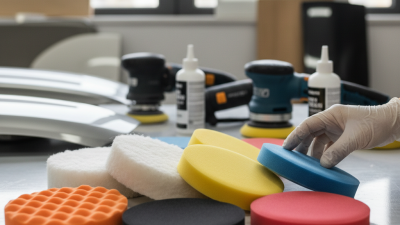
What Is a Floor Pad and How Does It Work?
A Floor Pad may look like a simple circular disc, but it controls how a floor is cleaned, polished, or stripped. Its fibers, abrasives, thickness, and color determine how much contact reaches the surface. A soft white pad may polish finished flooring gently. A darker pad may remove heavier soil, old finish, or embedded marks. The machine supplies pressure and motion. The Floor Pad converts that movement into controlled friction.
Floor-care expert Mike Englund offers a useful practical view: “The pad is the tool that touches the floor.” That detail matters. A fast machine cannot correct an unsuitable pad. Excessive pressure may create heat, remove too much finish, or leave uneven dull areas. Too little moisture can cause dust and rapid wear. Too much solution can reduce traction and slow drying. Small choices become visible near doorways, under shelving, and along polished edges.
This guide explains how a Floor Pad works with rotary machines, automatic scrubbers, and burnishers. It also considers pad color systems, surface compatibility, cleaning chemicals, and operating speed. These systems are helpful, but color charts are not universal. Manufacturers sometimes use different standards. That is an easy point to overlook.
Real results depend on testing a small, hidden area first. The floor’s finish, age, traffic level, and maintenance history all matter. Even experienced technicians can misjudge a surface. A careful inspection remains more reliable than habit. When the pad, machine, solution, and floor are matched correctly, cleaning becomes more consistent, efficient, and easier to monitor.
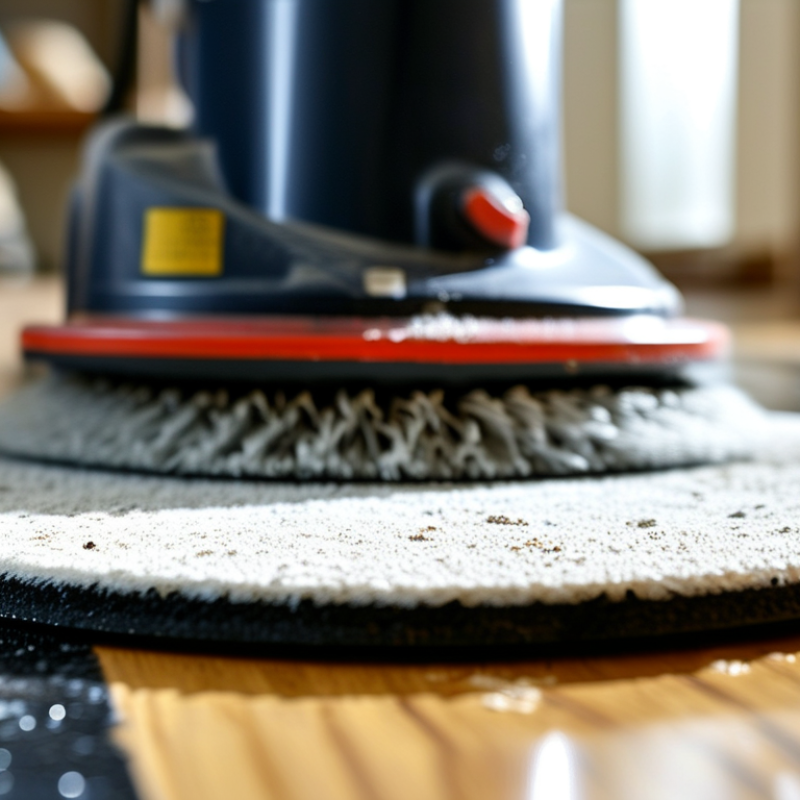
What Is a Floor Pad?
A floor pad is a replaceable disc placed beneath a floor machine. It cleans, polishes, strips, or protects a hard surface. Most pads use synthetic fibers, natural fibers, or blended materials. Their color often indicates aggressiveness, but color systems vary by manufacturer. Always check the pad specification.
The pad works through controlled friction. Machine speed, pressure, moisture, and chemical choice affect the result. A soft polishing pad can enhance gloss on finished floors. An aggressive stripping pad can remove old finish and embedded soil. However, excessive pressure may scratch resilient flooring or create uneven wear. This mistake is common, especially when operators focus only on visible dirt.
The U.S. Environmental Protection Agency reports that indoor pollutant levels can be two to five times higher than outdoor levels. Proper floor maintenance can help manage tracked soil and settled dust, but a pad is not an air-cleaning device. It should be selected for the floor finish, not personal preference.
Tips: Match the pad diameter and center hole to the machine. Test a small hidden area first. Use moderate pressure and inspect the floor after each pass. Replace a pad when its fibers become clogged, hardened, or uneven. The ISSA Cleaning Industry Management Standard also emphasizes documented procedures, worker training, and performance checks. That guidance matters because floor care results depend on people, not equipment alone. When unsure, use a less aggressive pad and review the outcome.
How Floor Pads Work
How Floor Pads Work
A floor pad is a rotating surface-maintenance tool. It sits beneath a machine’s drive block and contacts the floor with controlled pressure. Its fibers, density, and abrasive particles determine the result. Soft pads mainly remove light soil and improve gloss. More aggressive pads cut through finish, embedded grime, and visible scuff marks.
The machine transfers torque through the pad. Friction then loosens soil, while water or cleaning solution carries particles away. Speed matters. Higher-speed machines can polish certain finishes, but excessive heat may soften coatings or create uneven shine. The U.S. Bureau of Labor Statistics reported 865 fatal falls to a lower level in 2022. That figure does not measure floor-pad performance, yet it reinforces a practical concern: wet cleaning and residue control require disciplined procedures.
Tips: Match pad aggressiveness to the coating, not just the stain. Check the floor after a small test area. Technicians often overlook edge pressure, which can remove finish faster than the center. Replace a pad when its fibers become clogged or uneven. A worn pad may increase labor, water use, and rework. ISSA guidance also emphasizes standardized inspection and documented cleaning procedures, although real buildings rarely behave perfectly. Temperature, traffic, and old finish layers can change the expected result. A careful operator should measure appearance and slip resistance, rather than trust gloss alone.
Main Types of Floor Pads
A floor pad is a round, replaceable surface attached beneath a rotary machine or automatic scrubber. It works through controlled friction, pressure, and cleaning solution. The pad’s fibers or abrasive particles loosen soil, remove finish, or refine the surface. Speed matters. Excessive pressure can leave swirl marks, heat, or uneven gloss.
Main Types of Floor Pads
Stripping pads are highly abrasive. They remove old finish during restoration work, but they can damage delicate flooring.
Scrubbing pads are less aggressive and handle embedded dirt on resilient floors.
Polishing pads use finer fibers to improve appearance and reduce light scuffing.
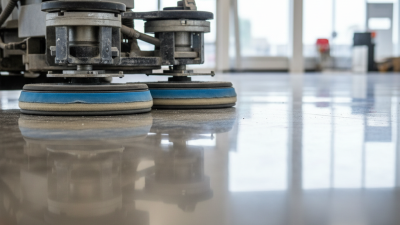
Burnishing pads work at higher speeds and create heat, producing a glossy surface.
Microfiber pads suit routine cleaning, especially where dust and fine soil are common.
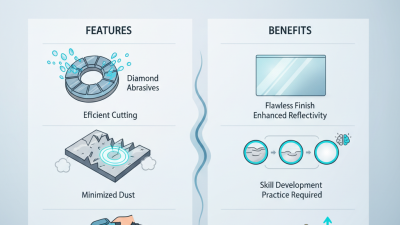
Diamond-impregnated pads offer gradual polishing with less chemical dependence.
Color codes help, but they are not universal. Always check the manufacturer’s technical sheet and test a hidden area.
A 2024 market analysis by Grand View Research estimated the global floor-cleaning machines market at about USD 5.4 billion in 2023, showing how widely mechanized maintenance is expanding. Yet machines do not replace judgment. The U.S. Bureau of Labor Statistics reported about 2.4 million janitors and cleaners in May 2023, underscoring the need for practical training.
I still inspect the floor afterward. A clean-looking surface may hide finish loss, moisture, or unsafe residue.
The right pad depends on floor type, soil level, machine speed, and the result required. Nakne truth: faster is not always better.
Choosing the Right Floor Pad
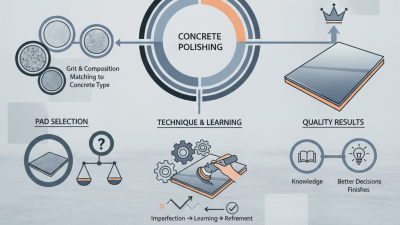
Choosing the right floor pad begins with the floor finish, soil level, and cleaning method. A soft white pad suits light polishing on delicate finishes. A red pad handles routine spray cleaning with moderate abrasion. Green and black pads remove heavier buildup, but they can damage thin coatings. Always check the finish manufacturer’s instructions and test a hidden area.
Pad color is only a guide. Fiber density, machine speed, moisture, and pressure also change the result. A 2023 facilities-maintenance benchmarking report from APPA emphasizes consistent procedures and measurable outcomes, rather than appearance alone. Record labor time, pad life, water use, and slip complaints. That evidence is more useful than guesswork. A slightly slower pad may reduce finish replacement costs.
Indoor air quality deserves attention. The U.S. Environmental Protection Agency reports that indoor pollutant concentrations can be two to five times higher than outdoor levels. Choose low-dust methods, control chemical residue, and replace worn pads before they shed fibers. Inspect the floor after each pass: look for dull arcs, black transfer marks, or sticky trails. I have found that operators often select an aggressive pad too early. It feels efficient. It may quietly shorten the floor’s service life. Frequency matters too; daily polishing can be unnecessary on lightly used corridors. Start with the least aggressive pad that achieves the required appearance, then adjust through documented testing.
Using and Maintaining Floor Pads
What Is a Floor Pad and How Does It Work?
A floor pad is a round cleaning or polishing disc fitted beneath a floor machine. Its fibers or abrasive surface contact the floor while the machine spins. This action removes soil, smooths dull areas, or improves the floor’s shine. The correct pad depends on the floor type and cleaning goal. A soft pad suits routine cleaning, while a more aggressive pad may remove stubborn finish or marks.
Using a floor pad safely requires preparation. Sweep loose grit first. Small stones can scratch polished surfaces. Apply enough solution to control dust, but avoid flooding the floor. Excess moisture may enter seams or damage sensitive materials. Move the machine slowly and evenly, especially near walls and doorways. I have found that rushing creates uneven dull patches. That mistake is easy to miss under bright lights.
Maintenance affects both results and equipment life. Rinse reusable pads immediately after use, then wash them according to their material requirements. Remove trapped hair, grit, and chemical residue. Let the pad dry completely before storage. Never stack damp pads. They can develop odors and lose their shape. Inspect each pad before use. A hardened edge or torn section may mark the floor. I sometimes replace pads later than I should. That saves little and can create extra correction work. Keep clean pads separate from used ones, and record where each pad was used.
What Is a Floor Pad and How Does It Work?
A floor pad is a replaceable circular material used beneath a floor machine to clean, scrub, strip, polish, or burnish hard flooring. The chart shows typical machine-speed ranges for common floor-pad tasks.
How to use and maintain floor pads: Match the pad type to the floor and task, operate the machine within its rated speed, and replace a pad when it becomes uneven, glazed, torn, or too thin. After use, remove loose soil, rinse the pad, and allow it to dry completely before storage. Actual speed limits can vary by machine, flooring, and pad construction, so always follow the equipment and pad instructions.