page_banner

How to Choose the Right Irregular Abrasive?

Choosing the right Irregular Abrasive begins with understanding the workpiece, not the product label. Different grain shapes create different cutting actions, heat levels, and surface textures. A sharp, angular grain may remove material quickly, while a rounded grain can polish more gently. Small differences matter. In production, the wrong choice may leave deep scratches, uneven edges, or excessive heat marks. The visible defect often appears after the abrasive has already changed the process.

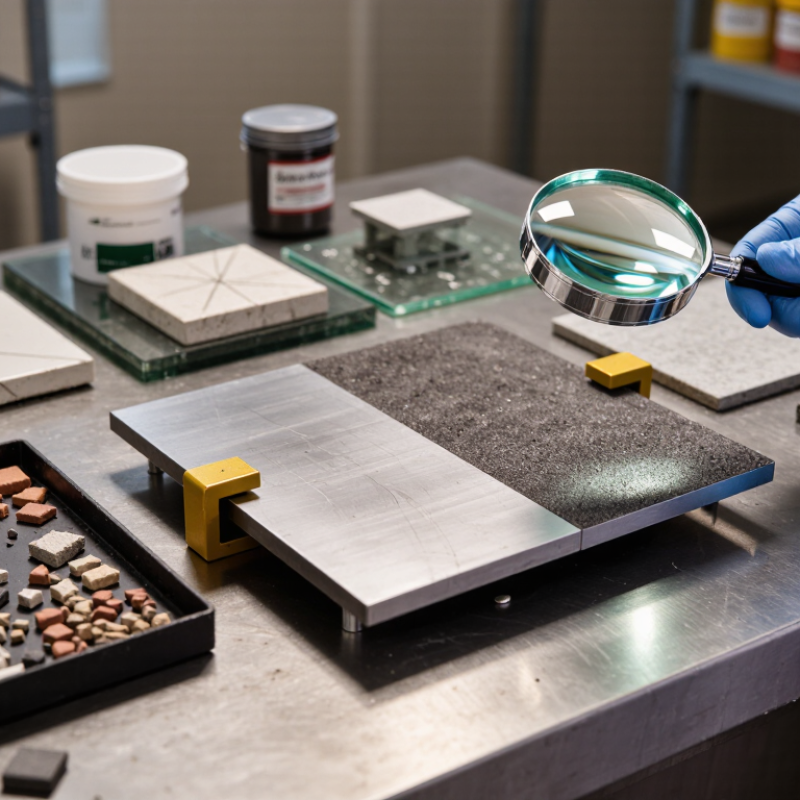
A reliable selection process connects grain composition, particle size, hardness, bond type, and operating speed. It also considers the workpiece material, contact pressure, coolant, and required finish. Experienced technicians usually compare supplier data with controlled trials on the actual equipment. A microscope can reveal fractured grains, loading, and inconsistent scratch patterns. A simple before-and-after inspection is useful. However, no chart replaces careful testing. A sample that performs well on steel may behave poorly on glass, ceramics, composites, or coated surfaces. Reputable suppliers should explain manufacturing tolerances, safety guidance, test methods, and quality controls. Those details support decisions that are repeatable, measurable, and easier to defend. Still, selection is rarely perfect on the first attempt. Pressure, machine vibration, or a changing batch can expose assumptions we overlooked. This guide examines those variables and offers a practical framework for choosing an Irregular Abrasive with greater confidence. The goal is not the most aggressive grain. It is the best match.
How to Choose the Right Irregular Abrasive?

Classify Irregular Grains by Shape and Hardness: Garnet 7.5–8, SiC 9–9.5

Choosing an irregular abrasive starts with shape, then hardness. Angular grains cut faster because their corners create concentrated impact points. Blocky grains cut more evenly and may leave a smoother profile. Elongated grains can follow narrow edges, while flaky particles may break too quickly.

Inspect the grain under magnification. Shape matters more than a simple product label.

Garnet Garnet typically measures 7.5–8 on the Mohs scale. Its balance of hardness and toughness suits controlled surface preparation on stone, glass, and coatings. It often produces steady cutting with moderate dust and less aggressive surface damage.

Silicon carbide Silicon carbide reaches 9–9.5. Its sharper, harder grains attack dense materials quickly, including hard ceramics, stone, and certain metal surfaces. The grains fracture during use, exposing fresh cutting edges. That sharpness can improve speed, but it may increase surface roughness.

Do not choose hardness alone. A very hard grain can waste energy on a soft surface. A softer grain may wear before reaching the desired profile. Check pressure, nozzle distance, moisture, and the target surface.

Run a small test area first. Record the profile depth and media consumption. This method is not perfect.

Grain shape can vary within one batch, and operator technique changes the result. A practical choice combines Mohs hardness, particle shape, surface sensitivity, and measured performance.

Match Grain Hardness and Toughness to the Workpiece and Removal Rate

Choosing the right irregular abrasive begins with the workpiece, not the particle shape. Irregular grains create sharp cutting points, but their performance depends on hardness and toughness. Hard grains suit hardened steel, glass, ceramics, and coatings that resist penetration. They fracture under pressure, exposing fresh edges during controlled removal. That can improve cutting speed. Yet excessive hardness may cause premature grain pullout on softer or uneven surfaces.

Tougher grains withstand impact and stay intact longer, making them useful for high removal rates and rougher contact. On a cast surface with pits, a brittle grain may break too quickly. A tough irregular grain can bridge those interruptions and maintain pressure. Use lower pressure when the workpiece is delicate. Too much force. It may clog the abrasive, raise heat, or distort the finish. Removal rate should be measured by material removed per minute, not aggressive feel alone. This distinction matters in production trials.

In practice, start with a small test area and record pressure, speed, heat, and surface profile. If cutting slows while the grain remains sharp, choose greater toughness or a coarser grade. If scratches deepen or the surface chips, reduce hardness, pressure, or exposure time. A useful choice is rarely perfect on the first trial. Real operators adjust after inspecting the swarf and the workpiece under magnification. Do not ignore moisture and bonding conditions; they can change apparent grain behavior.

Select FEPA Grit: P24–P60 for Stock Removal, P80–P120 for Blending

How to Choose the Right Irregular Abrasive?

Irregular abrasive grains cut aggressively because their sharp edges create concentrated contact points. For heavy stock removal, choose FEPA P24–P60. These coarse grits remove weld crowns, scale, and thick coatings quickly. P24 leaves deeper scratches, while P60 offers better control on thinner sections. Do not treat grit numbers as a simple speed ranking. Pressure, backing hardness, surface material, and tool speed also change performance.

The 2024 Global Abrasives Market report from Grand View Research identifies metal fabrication and machinery as major demand areas. This reflects a practical reality: operators need fast cutting without excessive heat. FEPA grading guidance supports consistent particle sizing, but real workshop results may differ. A P40 abrasive can feel too harsh on soft aluminum, yet too slow on hardened steel. Testing a small area remains wise. I have seen operators choose by habit, then spend extra time correcting deep scratches.

Tips: Start with P24–P60 when visible material must disappear. Move to P80–P120 for blending weld transitions, softening edges, and preparing surfaces for finishing. Keep the tool moving. A stationary pass can create heat marks and uneven valleys. Check the scratch pattern under angled light before changing grits. A finer abrasive cannot always repair an overly aggressive first pass.

How to Choose the Right Irregular Abrasive? - Select FEPA Grit: P24–P60 for Stock Removal, P80–P120 for Blending

FEPA P Grit Approximate Particle Size Primary Function Relative Cut Rate Expected Surface Character Typical Applications Selection Notes
P24 Approximately 710 µm Very heavy stock removal Very high Deep, coarse scratch pattern Removing weld beads, heavy scale, flash, and large surface irregularities Use when maximum material removal is more important than finish. Use controlled pressure to reduce gouging.
P36 Approximately 530 µm Heavy stock removal Very high Coarse, pronounced scratches Rapid grinding of carbon steel, stainless steel, castings, and difficult welds A practical choice for aggressive grinding where the surface will receive further finishing.
P40 Approximately 425 µm General heavy grinding High Coarse but more manageable scratch pattern Weld blending, edge correction, burr removal, and rapid contouring Choose when high removal rate and reasonable control are both required.
P50 Approximately 355 µm Balanced removal and blending High Medium-coarse scratch pattern Preparing weld areas, leveling uneven surfaces, and correcting machining marks Useful transition grit before moving to finer abrasives for a more uniform finish.
P60 Approximately 250 µm Controlled stock removal Medium-high Moderately coarse, more consistent scratches Final stage of heavy grinding, weld flattening, and pre-blending preparation Select for efficient removal with improved control and lower risk of excessive gouging.
P80 Approximately 180 µm Blending and surface refinement Medium Medium-fine, more uniform scratch pattern Blending weld transitions, refining P60 scratches, and preparing surfaces for coating A good starting point when blending quality and moderate material removal are needed.
P100 Approximately 150 µm Fine blending Medium-low Fine, relatively uniform scratch pattern Improving transitions, reducing visible grinding lines, and preparing for finishing operations Use after coarser grits when a cleaner appearance is required without polishing.
P120 Approximately 125 µm Fine blending and pre-finishing Low-medium Fine, smooth-looking abrasive pattern Final blending before nonwoven finishing, coating, painting, or polishing Choose when scratch uniformity and appearance are more important than rapid stock removal.
Important selection factors: Actual cutting performance depends on abrasive mineral type, particle shape, backing or bonding system, tool pressure, operating speed, workpiece material, and cooling conditions. Always follow the abrasive tool manufacturer's rated speed and safety instructions.

Balance Friability, Pressure, and Heat to Control Self-Sharpening

How to Choose the Right Irregular Abrasive?

Irregular abrasive grains create sharp contact points. These points raise cutting pressure and improve stock removal. However, high pressure can overload the bond and generate heat. ISO 525 classifies abrasive grains by type, size, and hardness, but the standard does not select your process window. That choice needs testing.

Start with friability. A friable grain fractures under pressure and exposes fresh edges. A tougher grain lasts longer, but it may rub instead of cut. Research reviews in CIRP Annals connect excessive rubbing with higher specific grinding energy. The difference can appear on the workpiece: a bright smear, blue tint, or uneven wheel loading. Watch the surface, not only the spark color.

Pressure and heat must be balanced together. A 2022 review in the Journal of Materials Processing Technology reported grinding temperatures near or above 600°C in severe conditions. The exact threshold changes with material, coolant, wheel speed, and contact length. Reduce pressure when the part feels hot after one pass. Then test a slightly more friable grain, rather than simply increasing coolant. More coolant is not always better; poor delivery can miss the contact zone. My practical mistake was judging self-sharpening by wheel wear alone. A wheel that wears slowly may be cutting poorly. Record force, spindle load, surface temperature, and finish across short trials. Small data beats confident guessing.

How to Choose the Right Irregular Abrasive?

Balance friability, applied pressure, and heat to control self-sharpening. The relative scores below summarize common engineering behavior: higher friability promotes faster grain fracture and sharper cutting points, while higher pressure tolerance supports heavier-duty grinding. Thermal stability helps reduce premature dulling during heat-generating operations.

Relative engineering guide: 1 = low, 5 = high. Actual performance depends on grain shape, bond system, workpiece material, speed, coolant, and dressing conditions.

Validate Surface Finish with ISO 6344 Grades and Ra Measurements

How to Choose the Right Irregular Abrasive?

Irregular abrasive grains can create a sharper, less uniform cutting pattern. That pattern affects scratches, heat, and final Ra values. ISO 6344-1:2021 classifies coated abrasive grain sizes, but it does not guarantee a specific surface finish. P80, P120, and P240 indicate particle grading, not Ra alone. Material hardness, contact pressure, abrasive wear, and feed speed also change the result.

Use ISO 21920-2:2021 for current profile measurement terminology. Measure Ra with a calibrated stylus instrument, using a documented cutoff length and evaluation length. For example, a machined component may require Ra 1.6 µm, while a finer sealing surface may target 0.8 µm or below. These values are practical control points, not universal promises. In my experience, operators often change abrasive grades without checking instrument settings. That creates misleading comparisons.

Tips: Create a small test panel first. Record the ISO 6344 grade, pressure, speed, and abrasive direction. Measure at least three locations, then report the average and range. Keep the roughness tester clean. A single Ra reading can hide deep grooves. Also inspect Rz when sealing performance matters. ISO 21920-2 recognizes that Ra alone cannot describe every surface. This is easy to overlook. A visually smooth surface may still fail a functional requirement. Review the result with the drawing, process engineer, and actual service conditions before selecting the irregular grain.