Global buyers need more than attractive product photos when selecting a Snail Lock Polishing Pad manufacturer. They need consistent cutting performance, stable bonding, accurate dimensions, and dependable delivery. A pad may look excellent under bright showroom lights, yet fail after minutes on granite, concrete, or engineered stone. Small details matter. The lock connection must fit securely. The diamond pattern should remain active without creating deep scratches.
According to surface-finishing consultant Daniel Wu, “A reliable polishing pad is judged by its finish, lifespan, and behavior under pressure—not by appearance alone.” His observation reflects a practical purchasing reality. Experienced buyers compare grit sequences, working speeds, cooling requirements, backing quality, and test results before approving a supplier. They also examine factory experience, quality-control procedures, packaging protection, and communication during sampling.
This guide examines leading Snail Lock Polishing Pad manufacturers serving international customers. It considers production capacity, customization options, technical support, export readiness, and customer feedback. Some manufacturers offer impressive prices. Others provide stronger consistency across large orders. The best choice depends on the surface, machine, project scale, and required finish.
No ranking is perfect. Product performance can change between batches, and field conditions are rarely identical. Humidity, operator technique, water flow, and machine pressure can all influence results. That uncertainty deserves attention. Therefore, global buyers should request samples, confirm specifications, and test pads on representative materials before signing a major order. A careful evaluation saves time, reduces waste, and supports a more reliable supply partnership.
Snail Lock Polishing Pads: Structure, Uses, and Key Features
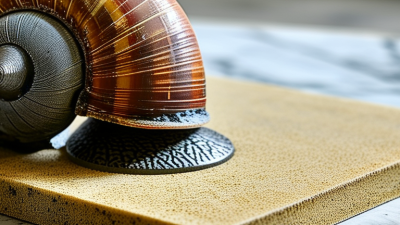
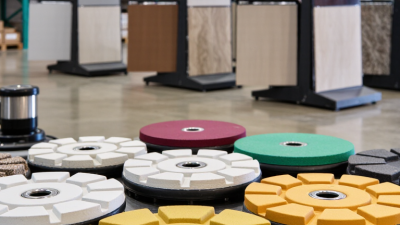
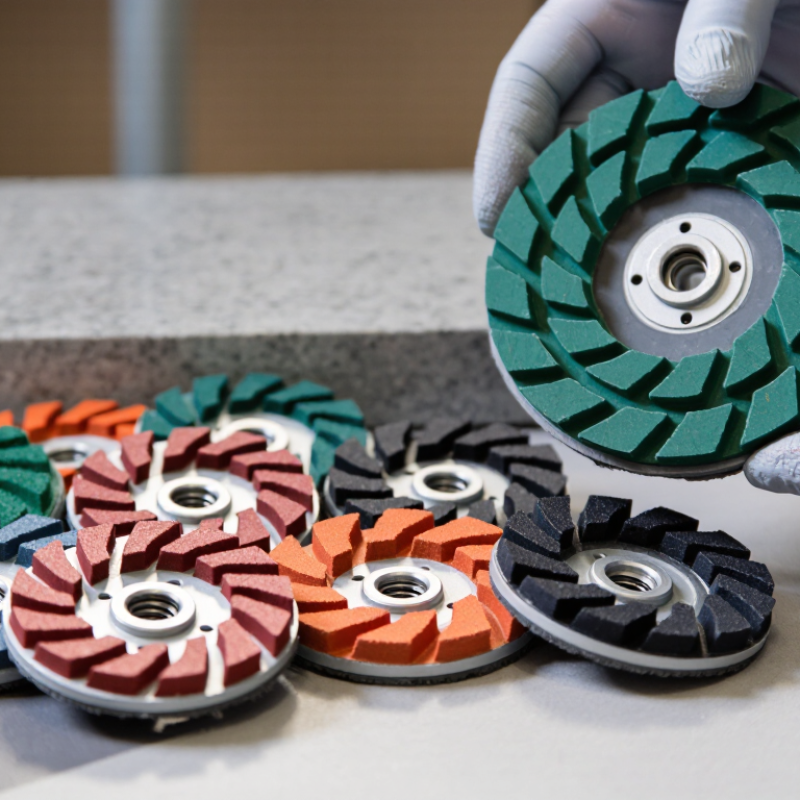
Snail lock polishing pads use a reinforced backing with a spiral-style attachment pattern. This structure helps operators secure the pad to compatible holders quickly. The working surface usually contains diamond abrasives, resin bonds, or other engineered materials. Grit levels range from aggressive shaping grades to fine polishing grades. Always check the holder before installation. Not every lock pattern fits every machine.
These pads are commonly used on concrete, terrazzo, engineered stone, and selected natural stone surfaces. Coarse pads remove light scratches, uneven marks, and dull coatings. Finer pads create a smoother finish with less visible haze. On a workshop floor, a properly matched pad can reduce vibration and maintain steady contact across small surface changes. Water-cooling may control heat and dust, depending on the material and equipment. Dry use is not always suitable.
Key features include secure fastening, balanced construction, consistent abrasive distribution, and resistance to edge wear. Manufacturers should provide clear grit information, operating limits, and compatibility guidance. Buyers should also inspect the pad after several passes. Cracks, loose segments, or uneven wear require attention. A useful detail is often missed: pressure does not replace the correct grit. Excessive force can shorten pad life and leave uneven marks. The design is practical, but not flawless. Performance still depends on machine speed, surface hardness, operator control, and maintenance.
Choosing a snail lock polishing pad manufacturer requires more than comparing prices. Check pad hardness, lock stability, heat resistance, and abrasive consistency. A reliable supplier should provide test data for cutting speed, surface finish, and service life. Ask for samples before placing a large order. A polished stone panel should show even gloss, without random swirl marks or loose edges.
MarketsandMarkets estimates that the global abrasives market may reach about USD 58 billion by 2028, driven by construction, automotive, and metalworking demand. This growth increases supplier competition. It also makes quality claims harder to verify. Look for documented quality procedures, batch traceability, and inspection records. ISO 9001 certification can support credibility, but it does not replace product testing. Review the manufacturer’s experience with different machines, water systems, and stone types. Small details matter.
Tips: Request three production batches. Compare thickness, weight, lock fit, and polishing results. Ask how rejected pads are handled. Confirm packaging strength for long-distance shipping. Also check technical support response times. A supplier may offer excellent samples, then change materials later. That risk deserves attention. My own evaluation would include a second test after storage, because humidity can affect backing materials. It is easy to overlook. Ensure the supplier states tolerances, recommended rotation speed, operating pressure, and replacement guidance in writing. Never rely only on catalog photographs or one successful trial.
Global buyers increasingly evaluate snail lock polishing pads through measurable quality, not appearance alone. Grand View Research estimated the global abrasives market at over USD 46 billion in 2023. This scale increases pressure on manufacturers to provide stable performance across different machines, stones, and working conditions. Reliable suppliers should operate documented quality systems, preferably aligned with ISO 9001. They should also state grit classification, pad diameter, thickness, attachment dimensions, and recommended operating speed.
Quality control begins with the abrasive layer. Even diamond distribution helps prevent circular marks and uneven gloss. A secure snail lock connection reduces pad movement during high-speed polishing. Buyers should request test records for bonding strength, dimensional tolerance, heat resistance, and wear rate. Where applicable, grit references should follow recognized FEPA or ISO particle-size designations. These details make international purchasing less dependent on visual samples.
Performance data matters more than attractive packaging. A 2024 market analysis by Fortune Business Insights projected continued growth in the industrial abrasives sector, driven by construction and surface-finishing demand. However, published market figures rarely explain real jobsite conditions. That remains a weakness. Water quality, operator pressure, floor hardness, and machine speed can change results significantly. Experienced manufacturers should provide controlled test results, batch traceability, and practical guidance for wet or dry applications. Buyers should compare gloss improvement, square-meter coverage, replacement frequency, and total cost per finished surface, not only the unit price.
Top Snail Lock Polishing Pad Manufacturers for Global Buyers
Comparing Suppliers by Capacity, Customization, and Pricing
Global buyers should compare production capacity before chasing the lowest quote. A supplier making 50,000 pads monthly may offer steadier lead times than a small workshop. Ask about abrasive stock, molding equipment, inspection staff, and backup production lines. Monthly capacity alone can mislead. Verify recent output records and shipment performance.
Customization often separates a workable pad from an excellent one. Request options for diameter, grit range, thickness, bond hardness, color, and snail-lock attachment fit. A reliable manufacturer should provide technical drawings and trial samples. Test the pad on your actual stone or concrete surface. Laboratory results are useful, but field dust can expose weak bonding or uneven wear.
Pricing needs a wider view. Compare unit cost, minimum order quantity, tooling fees, packaging, freight preparation, and replacement rates. A cheaper pad can become expensive when its edges wear quickly. In my supplier reviews, sample testing has prevented several poor purchases. Still, my early comparison sheets sometimes favored capacity too heavily. A smaller producer may deliver better customization and faster communication. Buyers should record test results, delivery dates, defect percentages, and agreed specifications in writing. Reliability is built through evidence, not polished promises.
Global buyers need more than a low quotation when selecting snail lock polishing pads. A reliable manufacturer should provide clear specifications, testing records, and responsive technical support. Request the pad diameter, grit range, locking profile, recommended speed, and compatible machine details. Confirm whether the pad is designed for wet polishing, dry polishing, or both. These details prevent fitting problems and uneven surface results.
Ask for samples before placing a large order. Test them on the same stone, concrete, or engineered surface used in production. Record cutting speed, gloss level, heat buildup, water use, and pad wear. Small differences become expensive during continuous work. The locking profile should engage firmly without excessive force. Inspect the backing after several hours of operation. A loose connection is a serious warning.
I once focused too much on price and overlooked packaging quality. Several pads arrived with bent edges after long-distance transport. That mistake was avoidable. Buyers should review carton strength, moisture protection, labeling, and replacement procedures. Check production capacity, inspection frequency, lead times, payment terms, and shipping documents. Request batch consistency data when possible. A professional supplier will explain limits instead of promising perfect results. Use a written purchase specification, including acceptable wear and performance standards. Leave room for improvement; real-world testing can challenge the original assumptions.